Do you spend hours straightening your hair only to have it poof up the second you walk outside? Most curly girls have been there.
No one likes watching their hard work go down the drain, so today, we will help you figure out why your hair is reverting after you straighten it.
We'll also give you plenty of tips on keeping your strands sleek, smooth, and shiny, so make sure you read until the end!
Why Won't My Hair Stay Straight After I Straighten It?
Your hair goes back to its natural texture when water gets back into it. A flat iron straightens your hair by loosening weak bonds inside each strand, and water resets those bonds. So the primary reasons why your hair won't stay straight after you straighten it are (1) moisture from humid air, sweat, or shower steam got into it, (2) your flat iron wasn't hot enough, (3) you overloaded your hair with product, (4) you need a trim, and (5) your hair wasn't dry.
As you can see, there are a variety of reasons why your straightening sessions don't leave you with long-lasting results. Luckily, you can take steps to stop reversion in its tracks and get perfectly smooth strands with staying power.

Free 50-page guide
Your hair is already growing. The problem is keeping it.
About a third of an inch a month on textured hair, not the half inch you’ve read. If your length looks stuck, that’s your hair breaking off as fast as it grows in. Here are the seven causes of breakage and the weekly routine that stops them.
Free. One email a week after that. Unsubscribe anytime.
The first step is identifying the cause of your reverting strands. That's what we'll address in the sections below.
Moisture Got Into Your Hair
Humid air is a common reason straightened hair puffs back up. The more humid the air, the more water your hair takes in. In one lab study, hair took in more water as the humidity rose from 40% to 85%.
Sweat and shower steam can do the same thing. You can't change the weather, but you can slow down how quickly your hair takes in moisture. We'll show you how below, from using anti-humidity products to wrapping your hair at night.
Your Flat Iron Wasn't Hot Enough
While turning down the heat will help stave off damage and keep your strands healthy, it might be behind your short-term results. If your flat iron isn't hot enough, your hair will retain more of its natural texture and stay straightened for just a short time.
But turning the dial past your hair's limit isn't the fix. We recommend 300 to 330°F for fine, colored, bleached, or relaxed hair; 330 to 350°F for medium hair; and 350 to 375°F for coarse or coily hair. Treat the top of each range as a ceiling, not a target. Your hair may need less. The American Academy of Dermatology also recommends using the lowest heat setting that works. Don't forget your heat protectant!
Here's why the ceiling matters. In one lab study that slowly heated hair samples, damage to keratin (the protein your hair is made of) became more severe between 428 and 482°F. A quick pass with a flat iron isn't the same as heating hair slowly in a lab, so those numbers can't tell you exactly when your hair will be damaged. They do show why a 450°F setting leaves little room for error. If your hair still won't hold at your ceiling, focus on your technique instead: a smoother blow-dry, smaller sections, and one steady pass. We cover all three below.
Related Articles
- DIY Heat Protectant for Natural Black Hair
- Do You Need Heat Protectant for Flat Iron?
- Flat Iron Temperature for Natural Hair
You Overloaded Your Hair With Product
The more product you use before you straighten your hair, the more likely your hair will revert faster than you want it to. Most hair products contain water, which undoes the effects of heat styling and can cause your hair to become textured and frizzy.
To combat this, limit the number of products you use before your straightening session, and avoid using more than the recommended amount.
Related Articles

You Need a Trim
Your ends, which are the oldest part of your hair, are drier than the rest of your locks. Dry and damaged ends are harder to straighten and revert more quickly than healthy strands, because damaged hair is more porous and soaks up more water.
Pay attention to which areas revert after you straighten your hair. If the reversion is limited to your ends, it's likely a sign that you need a good trim.
Related Articles
- What Does a Trim Mean Haircut?
- How to Trim Split Ends on Natural Hair
- Best Scissors for Cutting Curly Hair
Your Hair Wasn't Dry
While water is necessary for healthy hair, it's the fastest way to undo all of your straightening efforts. The slightest drop of moisture will cause your hair to frizz up as soon as you finish straightening it.
Additionally, using direct heat on wet hair will cause the water to boil and cook your strands from the inside out. That can lead to bubble hair: water turns to steam inside the strand and creates air pockets that leave the hair weak and brittle.
Unless you're using a wet-to-dry flat iron, make sure your hair is 100% dry before you flat iron it. That will prevent damage and help you maintain your style!
Related Articles
Why your straight hair reverted, and what to do
Match what you’re seeing to the likely cause. Water often causes straightened hair to revert.
| What happened | What you’ll notice | What to do |
|---|---|---|
| Humid air, sweat, or steam | Your hair puffs up after you go outside, work out, or shower. | Use an anti-humidity product, wrap your hair at night, and wear a shower cap. |
| Hair wasn’t completely dry | Frizz shows up as soon as you finish. | Blow-dry until your hair is 100% dry before you flat iron it. |
| Too much product | Your hair feels heavy and goes back to its texture fast. | Use less product, and make sure your hair is completely dry before you straighten it. |
| Not enough heat for your hair | Waves are still there right after you finish. | Use smaller sections and one steady pass, and stay at or below your heat ceiling. |
| Dry, damaged ends | Only your ends go wavy, and they look split, rough, or frayed. | If you see damage, get a trim. |
| Heat damage | One section stays straighter or limper than the curls around it, even when it’s soaking wet and after several washes. | Skip the heat on that section, and trim it off as your hair grows. |
If your hair returns to its usual curl pattern after a wash, that’s a good sign that your curl pattern is still intact.
Is Your Hair Reverting or Heat Damaged?
Reverting is normal. When your straightened hair returns to its usual curl pattern after a wash, that's a good sign that your curl pattern is still intact. Heat only loosens those weak bonds for a while, and water resets them.
Heat damage is the opposite. A damaged section may stay straight or look much looser, even when it's soaking wet, because too much heat permanently changed the strand. That's why we'd always choose a lower setting over a straighter result.
To check, wash and condition your hair, skip your styling products, and look at it while it's soaking wet. If the section curls back up, it was reverting. If it stays noticeably straighter or limper than the curls around it after several washes, it may be heat damaged. Heat damage can't be undone, so you'll need to trim away the damaged hair as your curls grow. Until then, skip the flat iron on that section.
How to Keep Your Hair Straighter for Longer
Now that you know why your hair is reverting, you're probably wondering what you can do to stop it. Well, you're in luck! The following tips will help your hair stay straighter for longer.
Spend More Time Blow-Drying
When you get your hair professionally straightened, you may notice that your stylist spends just as much time smoothing your hair with a blowdryer as they do flat ironing it.
That's because the straighter you can get your hair before flat ironing it, the straighter and longer-lasting your results will be. Don't rush through the blow drying process, and make sure your hair is completely dry before you attempt to straighten it.
Related Articles

Use Anti-reversion Hair Products
Anti-reversion products are specifically formulated to fight the environmental conditions that cause your hair to revert to its natural texture. A light spritz of humidity-blocking spray or serum can slow down how fast your hair picks up moisture, so your style lasts longer. In lab tests, an oil coating slowed moisture but couldn't keep it out completely, so these products work best alongside the other steps.
Many of these products contain silicones which, despite their spotty reputation, are one of the best ways to fight off frizz and humidity.
Note: Silicones may leave behind stubborn buildup, so add a monthly clarifying treatment to your hair care routine.
Go Slower
When flat ironing your hair, slowly move the iron downwards from root to end. By going slower, you can ensure each strand is getting enough heat to get perfectly straight.
Rushing through the process will only throw off your results and leave you with frizzy, textured strands. Even though you should move slowly, avoid keeping the flat iron in place for too long.
Wrap Your Hair at Night
Before bed, wrap your hair around your head, pin it in place, and tie a satin scarf or bonnet over it. The wrap keeps your hair smooth and flat while you sleep, so you wake up with less to fix.
Keep Water and Steam Away
Wear a shower cap when you shower, and skip long, steamy baths while your hair is straight. On humid or rainy days, an umbrella or a scarf helps keep the moisture off. Sweat is water too, so expect some puffiness around your hairline after a workout.
Touch Up Less Often
Every straightening session adds more heat to your hair. The American Academy of Dermatology suggests using hot styling tools once a week or even less often. The longer your style lasts, the fewer touch-ups you'll need, which is why the steps above matter.
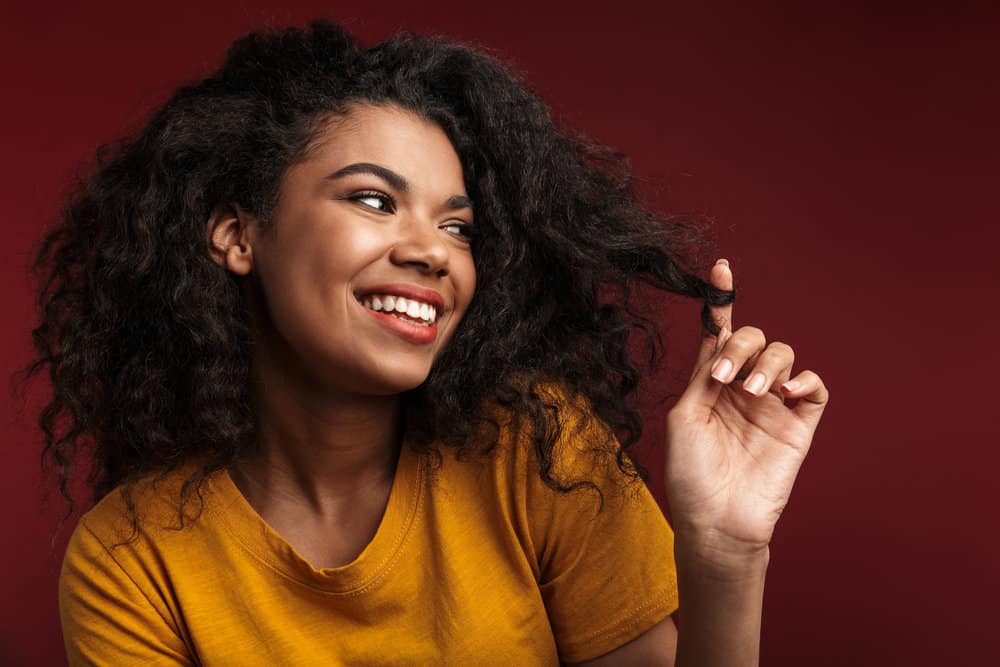
Tips for Getting Bone Straight Hair With a Straightener
Sometimes, all you need to do to get straighter hair is adjust your flat ironing technique. In this section, we'll share some tips on improving your results and getting bone-straight hair with a straightener.
Try the Comb Chase Method
The comb chase method keeps your strands aligned and reduces the number of passes you'll have to do to get your hair bone straight. It allows for even heat distribution, and the increased tension helps your strands lay flat.
To give this method a try, all you have to do is run a fine-tooth comb through your hair as you're flat ironing it. It can take some time to get used to the technique, but we doubt you'll go back once you do!
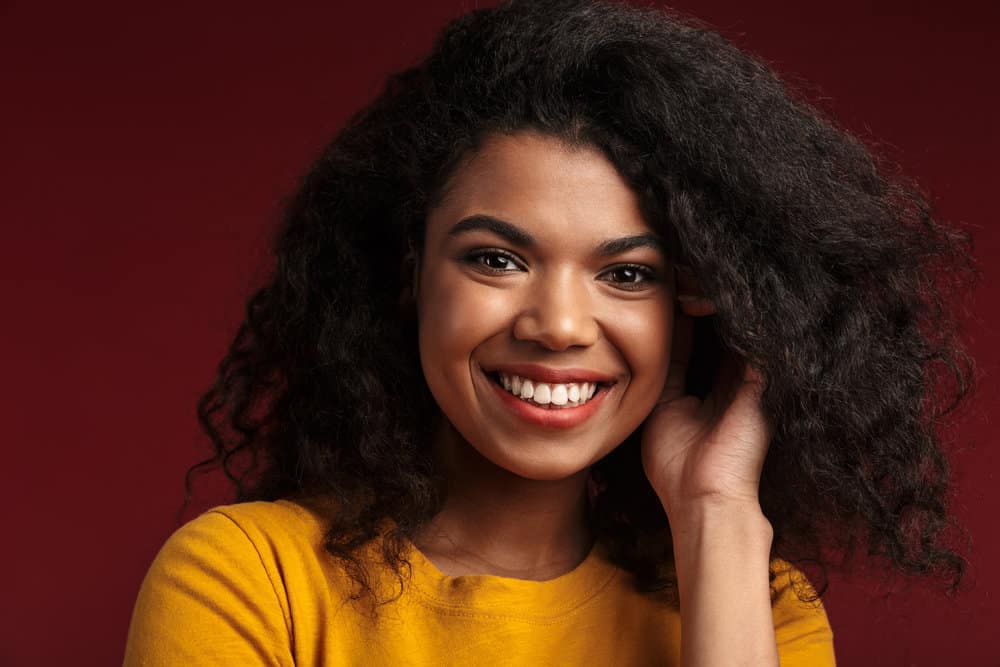
Invest in a High-Quality Flat Iron
When it comes to straightening your hair, investing in a quality straightener is the best thing you can do. In addition to keeping damage to a minimum, an excellent flat iron gets your hair straighter and prevents it from reverting.
Here are a few ways to make sure you're picking the best flat iron.
- Before purchasing a flat iron, squeeze it shut and check for gaps. Avoid flat irons that have spaces between the plates, as they won't be able to effectively straighten your hair.
- Choose flat irons made with high-performing materials like titanium, ceramic, or tourmaline.
- Opt for tools that have adjustable heat settings, so you can control the amount of heat that you use on your strands.
Related Articles
- Best Steam Flat Iron for African American Hair
- Best Straightening Brush for African American Hair
- Is the Dyson Airwrap Better for Your Hair?
- How to Straighten Curly Hair
Work in Small Sections
When you section your hair to flat iron it, think small. Working in small sections allows for even heat distribution, so all of your strands get an equal measure of heat.
It also makes it easier to spot areas you missed - you can then go back over them before moving on. Straightening large chunks of hair will leave your hair looking patchy and uneven.

Top 3 Flat Irons for Sleek Hair
Are you in the market for a new flat iron? If so, we've got some recommendations that we'd love to share! Here are our picks for the top three best flat irons on the market.
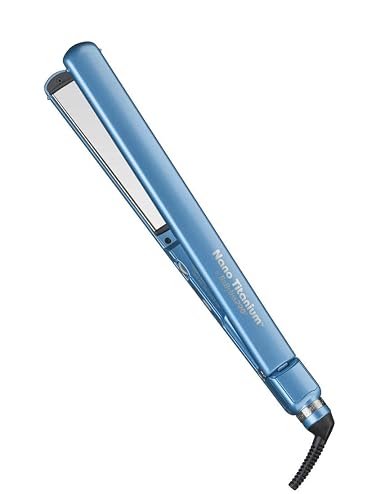
BaBylissPRO Nano Titanium Ultra-Thin
The BaBylissPRO is a lightweight flat iron with high-quality titanium plates that heat quickly and evenly. It also has a temperature control dial with over 50 different heat settings for complete control over how you straighten your hair. This iron will get your hair bone straight with just one pass!
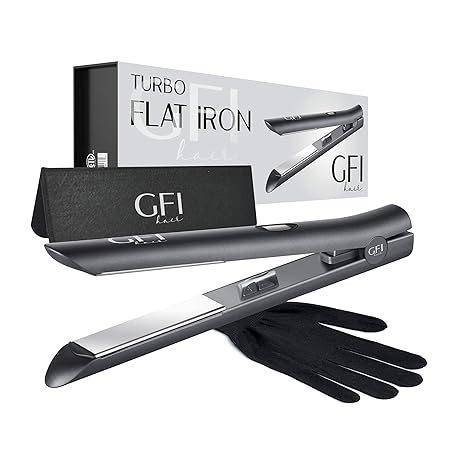
GFI Hair Turbo Flat Iron
GFI's Hair Turbo flat iron uses infrared technology to gently straighten your hair while eliminating frizz and drastically reducing damage. The 360-degree swivel cord lets you move freely and makes reaching all those hard-to-reach areas a breeze.
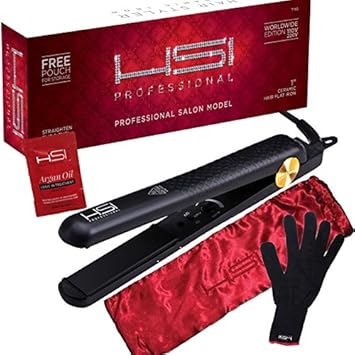
HSI Professional Glider
This versatile styler combines the benefits of ceramic and tourmaline, leaving you with perfectly smooth hair in a fraction of the time! The temperature control dial allows you to set the temperature between 150 - 450 degrees, making this flat iron the perfect choice for any hair texture.
When trying to keep your hair straight, using the proper tools and techniques goes a long way. Don't get frustrated if things don't work the first time around. The more you get used to flat ironing your hair correctly, the easier it'll be in the future.
We hope this article has helped you identify the reason why your hair doesn't stay straight and armed you with all the information you need to get silky straight strands that last.