
Do you have a problem with your hair tangling at the nape of your neck? Many people experience this issue, and it can be highly frustrating, especially when trying to style or grow your hair.
In this article, we will discuss some tips to keep your nape tangle-free. Let's get right into it!
How to Stop Hair From Tangling at Nape of Neck
To stop your hair from tangling at the nape of your neck, you should do the following:
1. Condition Your Nape Regularly
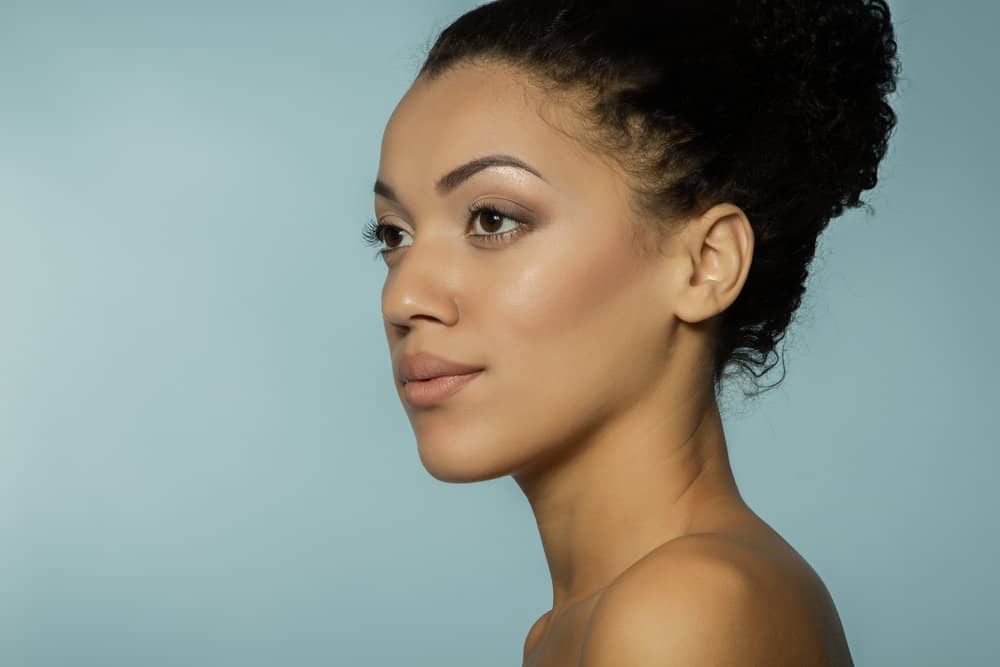
One of the best ways to keep your nape hair from tangling is to condition it regularly, using either a conditioner or hair oil. This will smooth the hairs back there, making them less likely to snag and tangle.
Many of us think we're adequately conditioning our hair when we're not. We focus mainly on the hair at the crown and forget the nape entirely. Take a minute or two and make sure that your nape hairs are fully coated in conditioner.

Free 50-page guide
Your hair is already growing. The problem is keeping it.
On average, hair grows a third to half an inch a month, and curlier hair tends to grow more slowly. If your length looks stuck, that’s your hair breaking off as fast as it grows in. Here are the seven causes of breakage and the weekly routine that stops them.
Free. One email a week after that. Unsubscribe anytime.
2. Always Rinse Thoroughly
When shampooing and conditioning your hair, it's important to rinse thoroughly. This is especially true for the nape area. If you don't, product residue can build up and jumpstart hair tangling underneath.
So, take the extra time to ensure that shampoo and conditioner are completely rinsed away every wash day. It may take several minutes to do, but it's worth it!
3. Pay Attention to the Products You Use
Using products near your nape that contain alcohol or other harsh chemicals can dry your hair out and encourage more tangles. Some alcohols to avoid include isopropyl and ethyl alcohol. You should also avoid sticky, greasy products that make your hair tacky.
4. Minimize Friction by Avoiding Collared Shirts
If you wear a lot of collared shirts, they can cause friction and increase your likelihood of developing a tangly nape.
If you have this issue, try to avoid collared shirts and scarves. You can also try putting your hair up in a bun or ponytail when you know you'll be wearing a collared shirt.
5. Be Gentle When Brushing Your Nape Hair
When you're brushing your nape hair, be gentle. Avoid using a brush with stiff bristles, as this can damage the hair, leading to increased tangles.
Instead, opt for a brush with soft boar bristles (or natural bristles) - these are gentler on the hair than other brush types. When you brush your nape hair, start near the ends and work your way up to your roots.
And don't forget your detangling cream or spray! Be patient and take your time - rushing through this process will only increase damage and future knotting.

6. Do Regular Detangling Sessions
Knowing how to detangle the hair around your nape is one thing, but detangling it regularly is another. Keep up a regular detangling routine if you want to keep it tangle-free. You should aim to do a major detangling session at least once a week.
Avoid waiting until your hair is one big, tangled mess before you attempt to detangle it. This will make the process much more difficult (and more painful).
7. Keep Your Hair Moisturized
Dry hair is more prone to tangling than moisturized hair, so ensure you're keeping your nape hair hydrated. Leave-in conditioners and serums work wonders in a pinch. You can use one of these or both, depending on how dry your hair tends to be.

Stretch Your Hair
Tight curls intertwine much more than loose curls, waves, or straight hair. So, if you're looking to avoid tangles, try stretching your hair out.
There are several ways to stretch out your curls, and we'll go through some of them below:
- Bantu knots: Bantu knots are a great way to achieve stretched curls without heat. Simply take medium-sized sections of hair, tie an elastic around the roots of each section, and then twist the hair around itself until it begins to form small knots. Let your hair dry overnight, and then undo the knots in the morning for stretched curls.
- Banding: This method involves sectioning your damp or dry hair and wrapping elastics down the length of each section. You can leave your hair in the bands overnight or for a few hours if you're in a hurry. Try not to wrap the elastics too tight - there shouldn't be any pain.
- Braids: This is one of the most well-known methods of stretching curls. Simply put your damp or dry hair in medium or large braids. Then, leave the braids in overnight or for a few hours. When you undo the braids, you'll be left with beautiful, stretched curls.
- Blowdrying: Blowdrying is the way to go if you want to achieve stretched hair quickly. Use a paddle brush to brush your hair as you blast it with low to medium heat. This will stretch out your curls without damaging them too much.

Protect Your Hair at Night
If you want to avoid tangles, it's vital to protect your hair at night. Sleeping with loose hair can quickly lead to knots and tangles, so it's best to put it up in a pineapple (a loose puff on top of your head) or sleep with a satin scarf or bonnet. This will help to avoid tangles and keep your hair healthy and moisturized overnight.
How to Detangle Seriously Matted Hair
If you neglect your nape hair, you may look at it one day and realize it's in one big matted knot. Dealing with seriously matted hair is no easy feat, but don't worry-there are a few things you can do to get your strands back in order.
- Saturate your hair with water.
- Coat your hair with your favorite conditioner. Make sure it's slippery.
- Remove as many knots as you can with your fingers.
- Use a wide-toothed comb or detangling brush to slowly work through the tangles. Start at the bottom of your hair and work your way up-if you start at the top, you'll be fighting an uphill battle.
When the matting is extensive, you may need to cut some of your hair off. This may sound drastic, but it may be the only way to get rid of the most severe tangles.
Only reach for the scissors as a last resort - the vast majority of the time, you'll be able to get through the tangles with a comb or detangling brush.

Stop Wig Hair From Matting at the Nape
If you're a new wig wearer, you'll probably experience matting at the nape or back of the wig. This can happen for several reasons, such as improper brushing or washing, not washing often enough, or sleeping in the wig. Your unit may also mat if it's cheap.
To stop and prevent matting, use a wide-toothed comb or wig brush and gently detangle as soon as the wig starts to get tangled.
You should also wash your unit every couple of weeks using a mild shampoo formulated for wigs to prevent tangle-inducing buildup.
Also, wear a satin cap or scarf over your wig if you plan on wearing it overnight. But know that the best thing to do is take your wig off at night and place it on a wig stand.

If the matting is caused by low-quality hair, you may need to invest in a new wig. Do your research and buy a wig made with high-quality human hair instead of synthetic fibers.
Finally, if you find yourself with a bad case of matting, try using a detangling spray and following up with a wide-toothed comb. Work slowly and carefully until the mats are gone.
With a little effort, you can keep your wig looking great for months or even years.
Related Articles
There you have it - several ways to stop hair from tangling at the nape. We hope that this article was helpful to you and wish you the best of luck in keeping your nape hair healthy and tangle-free!