

Buying guide
Wigs are an easy and fun way to give yourself a quick, no-commitment makeover. With so many options online, though, it can be hard to know which ones will feel comfortable, look natural, and last. The best wigs manage all three.
Below, you’ll find every wig guide we’ve written, grouped by what you’re trying to figure out. You’ll also find what a wig costs and the five things to check before you buy one.
Read this first
The lace does more for a natural look than the price tag.
Two wigs made from the same hair can look completely different once they’re on your head. The lace is usually the reason: how thin it is, how far back it goes, and whether the knots have been bleached and the hairline has been plucked.
Hair type still matters. Human hair can usually be heat-styled and colored more easily, and it generally lasts longer than synthetic hair. But a human hair unit on a thick, shiny cap can still look like a wig, while a well-finished synthetic unit may look surprisingly natural.
So read the cap and lace details before you look at the price. Those details tell you more about how a wig may look on you than the price tag does.
The four guides below are the ones to read before you buy your first unit.
You’re in the right place if
Your path
Start here
Four guides, in order. If you’re buying your first wig, work through them from top to bottom.
Every wig type, compared
Start here if the listings read like another language. It compares lace fronts, 360s, closures, headband wigs, and capless units side by side.
What wig density means
Learn what the percentage says about how full a unit will look and how to choose the right number before you’re staring at three nearly identical listings.
Where to buy a wig
Compare beauty supply stores, wig shops, salons, and online sellers, including what each option is best for once you know which unit you want.
How to put on a lace front
Follow the installation process step by step when your wig arrives.
The wig library
Every wig guide on Curl Centric
These guides are grouped by the question you came here to answer. If you already know which type of unit you want, skip ahead to the group that matches your search. Together, they cover the wigs you’ll actually see for sale, including lace fronts, closures, 360s, headband wigs, and the synthetic and human hair versions of each.
Wig types and how they're built
Lace fronts, closures, frontals, and T-parts: what separates these wigs and what those differences mean once the unit is on your head.
Density: how much hair you're buying
The percentage in the listing tells you how full the wig should look. You’ll often see 130%, 150%, and 180%, and the difference is more noticeable than those numbers make it sound.
Where to shop and what it costs
Learn what different wigs cost, what pushes the price up, and where to find a quality unit. Read these guides before you shop, not after the sale ends.
Putting one on, and keeping it on
Learn how to install a unit yourself, what you can use instead of glue, and how long your wig may stay in place once it’s installed.
Washing, dyeing, and making it last
How you wash, style, and store your wig can make a big difference in how long it lasts. Human hair and synthetic wigs also need different care.
Wigs or a weave?
A weave is another way to add length or change your look. Learn what a sew-in costs, how it compares to a wig, and which option fits your routine.
Hair extensions: choosing and installing
Clip-ins, tape-ins, and sew-ins work well when you want length without wearing a full unit. These guides cover what they cost, how they’re installed, and how long they last.
Hair extensions: care and questions
Find out how to dye extensions, remove bonding glue, care for your added hair, and handle some of the less common questions that come with wearing or reselling extensions.
Styles made with added hair
Crochet styles, twists, and braids also use added hair, so many of the same questions about quality, length, and how many packs to buy still apply.
Why people wear them
Wigs go back to ancient Egypt. These guides cover their history, their cultural meaning, and where donated hair ends up.
Free tool
The Natural Hair Dictionary
Lace, closure, density, wefts, knots, and melt are only a few of the terms you’ll see while shopping for a wig. Wig listings use a lot of shorthand, and misunderstanding it can get expensive. The dictionary explains more than 200 terms in plain language.
What a wig costs
Synthetic wigs usually cost about $20 to $100, and higher-quality options tend to sit near the top of that range. Human hair wigs start higher and climb quickly. A good human hair unit may cost $100 to $500 or more, while full-lace wigs made with hand-tied human hair can reach into the thousands.
Four things have the biggest effect on the price. The hair comes first because human hair costs more than synthetic hair. Then there’s the lace: a lace front may cost about $90 to $500, while a 360 lace wig can cost between $200 and $800. Cap construction matters too, since hand-tied and monofilament caps cost more to make than machine-sewn ones. Finally, longer wigs usually cost more because they require more hair.
Whatever your budget, shop for the wig you’ll actually wear. A $90 synthetic unit you reach for twice a week is a better buy than a $500 human hair wig that stays in the box. If it’s your first wig, a quality synthetic unit can also be a lower-cost way to learn which length, texture, density, and cap construction you like.
Wherever you shop, read reviews with customer photos and check the return policy before you buy. A sale price isn’t a bargain if the unit arrives looking nothing like the listing.
5 Things to Consider When Choosing a Good Wig
If you're a wig newbie, you may be having trouble deciding which unit is right for you. That's 100% okay. In the following sections, we'll explain what you need to consider before forking over your coins.
Free 50-page guide
Your hair is already growing. The problem is keeping it.
About a third of an inch a month on textured hair, not the half inch you’ve read. If your length looks stuck, that’s your hair breaking off as fast as it grows in. Here are the seven causes of breakage and the weekly routine that stops them.
Free. One email a week after that. Unsubscribe anytime.
Hair Type
If you prioritize naturalness, you'll need a human hair wig. Even those who don't know much about wigs can tell that a synthetic wig is fake. There are levels to human hair - virgin, Remy, and non-remy.
- Virgin Hair: Virgin hair is the purest, highest-quality hair you can get your hands on. It doesn't go through the processing that other wig hair types go through - cuticle stripping, dyeing, texture processing, etc. It is cut from the donor's head, with all the hair cuticles facing one direction, and is minimally processed. As a result, it lasts for multiple years, doesn't tangle much, and isn't damaged by chemicals.
- Remy Hair: The next best hair type for wigs is Remy hair. This hair has been minimally processed, similar to virgin hair, and it still has its cuticles intact. However, it may have been dyed or otherwise processed to take on a certain appearance or texture. And this could reduce its longevity, increase the risk of tangles, and reduce the hair quality overall.
- Non-Remy Hair: Non-Remy hair is the lowest quality human hair. It doesn't have in-tact hair cuticles (the manufacturer strips them during processing), so excessive tangling is extremely common with this wig hair type. In addition to that, the hair may have gone through any number of chemical processes to get it looking the way you see it on the wig.
- Synthetic Hair: If you're looking for a wig in a fun color, are short on cash, or just don't care about your unit looking natural, a synthetic wig could be just what you need. Synthetic hair fibers are cheap and easily manipulated into different textures and colors by manufacturers. The downside with this hair type is tangling, an unnatural shine, and the inability to heat-style and chemically process (in many cases).

Lace Type
When it comes to wig lace types, there are several main options. They include Swiss lace, HD lace, clear lace, and transparent lace. None of these lace types are inherently bad, but transparent lace is the lowest quality.
Most lace types can be finessed to blend in with your skin (or melt) and look natural.
But the thinner and more transparent the lace is, the easier it will be to make it look like your wig is growing straight from your scalp. Stay away from Korean or French lace wigs - these are uncomfortable and difficult to work with as far as blending.

Hair Shedding Rate
Wigs come with only so much hair, and since they can't grow new hair, it's important that your unit doesn't shed excessively. Once a wig has shed too much hair, the wig won't have the volume or body it used to.
So, it's imperative that you choose a wig that doesn't shed a lot. Notice that we didn't tell you to look for a wig that doesn't shed at all. All wigs shed.
How the Hair Feels
The softer the wig's hair is, the more comfortable it will feel on your skin. Stay far away from any wig with hair that feels like sandpaper. Virgin hair is the least likely to exhibit this problem.

Wig Construction
Wigs may be constructed in various ways. There are closure wigs (with a 4x4, 5x5, or 5x5 inch lace portion in the crown, lace front wigs (with a 13x4, 13x5, or 13x6 lace portion across the front of the wig), full lace wigs (entirely lace), 360 wigs (lace around the perimeter of the wig), and more.
The best wig construction type for you will depend on the styles you plan on doing, how much money you have available for your unit, how experienced you are in installing wigs, and more.
But as a general rule, the more lace your wig has, the more styling versatility you have and the more natural your styles have the potential to be. In addition to that, you have wig extras for security, like ear tabs, adjustable straps, and combs.
You'll want all of these features for your unit if you're not planning on gluing it on. Otherwise, adjustable straps and combs will suffice in most cases.
Note: The best wig for you is individual; there's no perfect wig.
What Is a Wig?
A wig is a head covering that's typically made from either human hair or animal hair, although some wigs are made with synthetic fibers.
The root word 'wig' is derived from the word 'periwig'. The term first showed up in documented English literature around approximately 1675 AD.
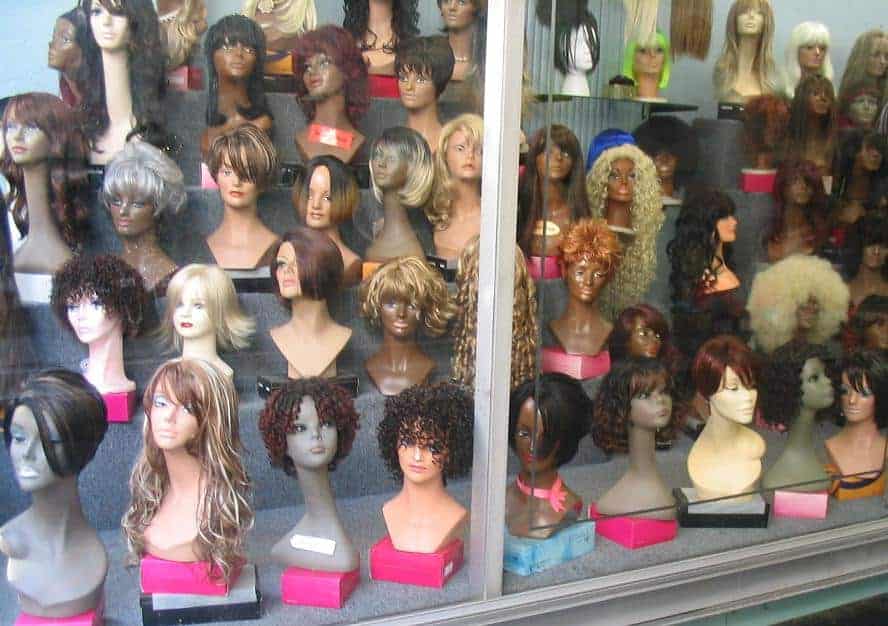
Wigs are worn for many reasons. Some people simply want to hide their hair loss, as wearing a wig can be far less intrusive (and cheaper) than restoring hair through surgery or even installing hair extensions.
Wigs for cancer patients are also very common. Some women use wigs, like apparel, as an opportunity to periodically change up their appearance.
In movies, it's common for actors and actresses to use wigs to suit the characters they portray.
A Historical Perspective on Wearing Wigs

In ancient Egypt, men and women often had their heads either shaved clean or cropped close to their scalps, and they would often use wigs.
In fact, it is theorized that ancient Egyptians created the wig itself so they could protect their heads from the rays of the sun.
Some Egyptians wore wigs on top of their hair, using resin and beeswax to keep the wig in place.
Rich Egyptians had elaborate wigs that sported scented cones of various animal fats on top. Other ancient or classical cultures that used wigs in daily fashion included Israeli Jews, Assyrians, Greeks, Romans, and Phoenicians.
How Are Hair Wigs Used in the 21st Century?

Wigs have been popularized in American society lately due to their use by celebrities such as Tina Turner, Diana Ross and The Supremes, Lady Gaga, Katy Perry, and Dolly Parton.
Cher is also known for wig-wearing over four decades, and Cher's wigs have ranged from curly to straight and from black to blonde.
Many individuals also wear them just for fun, as an article for fancy dress apparel, such as a costume party.
These might even be made from things like tinsel and contain outrageous colors. Halloween is a time of year that sees a lot of wigs. Television, theater, and film also use wigs a lot.
Wigs are worn by many people, sometimes daily, sometimes just situationally.
Convenience is often a reason behind their use, as wigs can get styled in advance.
Wigs are also used by those suffering hair loss, be it genetic pattern baldness in middle age or someone going through chemotherapy while undergoing cancer treatment.
Do Hair Wigs Cause Hair Loss?
Wearing wigs for extended periods of time, especially when you neglect to properly care for your hair, can lead to all sorts of hair-related issues, including hair loss.
Although just to be clear, hair loss isn't exclusively attributed to wearing wigs. It's simply that wigs can contribute to hair loss. Actually, anyone can suffer from hair loss.
According to the American Hair Loss Association, up to 40 percent of hair loss sufferers in America are women.
It is not easy to understand the emotional toll that hair loss can have on you if you haven't previously experienced it first-hand.
It can be absolutely devastating.
Hair, especially for women, is a vital part of who you are and also a sense of femininity for women.
However, it becomes noticeable when the shedding rate exceeds the regrowth rate or when the rate of regrowth becomes thinner relative to the past.
Excessive hair loss is known medically as alopecia. The condition may be triggered by a wide range of factors, like side effects of chemotherapy and radiation effects, stress, genetics, age, autoimmune disorders, and poor nutrition, among other things.
Androgenetic alopecia is genetically predisposed and causes 95 percent of hair loss - often pattern balding for men and diffuse thinning for women.
Alopecia areata, as well as other kinds of lesser-known alopecia, refer to autoimmune disorders that result in hair loss and may range from tiny patches to total hair loss. This condition can be permanent or temporary.

What Is the Best Place to Buy Hair Wigs?
For those who prefer to shop in-person, local beauty supply stores and wig boutiques can be a great place to start. These locations often have a wide selection of wigs in various styles, colors, and materials. Additionally, you can try on wigs before making a purchase, which can be helpful in finding the right fit and style for you.
What Is the Best Place to Buy Wigs Online?
If you prefer to shop online, there are many reputable websites that offer a wide selection of wigs at affordable prices. Some popular online retailers for wigs include Amazon, WigOutlet.com, and Wigs.com. When shopping online, it's important to read reviews and do your research on the retailer before making a purchase to ensure that you're getting a quality product.
What Are the Best Wigs for Thinning Hair?
For those with thinning hair, try Monofilament wigs which feature a thin, breathable mesh material at the crown of the wig. This creates a more natural-looking scalp and hairline. Additionally, lace front wigs can be a great option, as they feature a lace material at the front of the wig that mimics the appearance of natural hair growth.
What Is the Best Brand of Synthetic Wigs?
When it comes to synthetic wigs, there are many great brands to choose from. Some popular options include Raquel Welch, Jon Renau, and Estetica Designs. These brands offer a wide selection of synthetic wigs in various styles and colors and are known for their quality and durability. A synthetic wig is made from synthetic fibers rather than natural human hair.
What Is the Best Brand of Lace Front Wigs?
If you're in the market for a lace front wig, there are many great brands to choose from as well. Some popular options include Sensational, It's A Wig, and Outre. These brands offer a wide selection of lace front wigs in various styles, lengths, and textures and are known for their quality construction and natural-looking hairlines.
Who Has the Best Full Lace Wigs?
When it comes to full lace wigs, many great options are available from various brands. Some popular options include Zury Hollywood, Vivica Fox, and Bobbi Boss. These brands offer a wide selection of full lace wigs in various styles, textures, and colors and are known for their quality construction and comfortable fit.
Which Cap Is Best for Wigs?
Some popular options include traditional caps, which feature a closed crown and are typically the most affordable option. Additionally, monofilament caps and lace front caps can provide a more natural-looking scalp and hairline, while full lace caps can provide maximum comfort and breathability. Ultimately, the best wig cap depends on your budget, level of coverage, and personal preferences.
How to Choose a Wig for Your Face Shape
While you consider and compare different wigs that interest you, take some time to think about the styles that might be flattering based on the shape of your face. Below are a few guidelines you might find helpful.
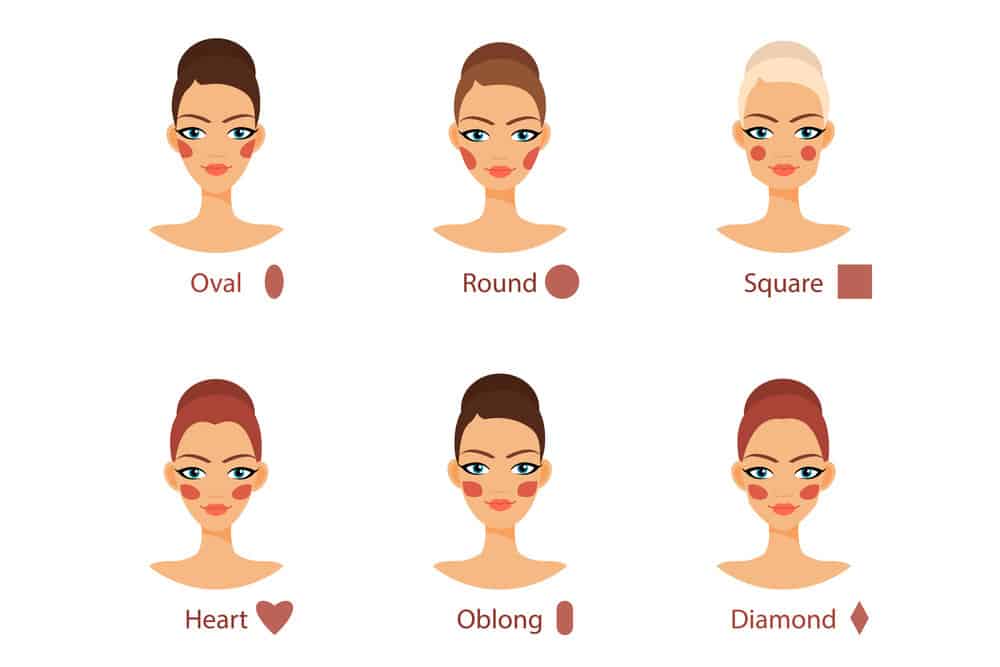
- Oval (or Oblong): An oval-shaped face is longer rather than wide, while the jaw is narrower than the cheekbones. Since an oval-shaped face doesn't have any dominant areas and is largely proportional, the face will look good with almost any hairstyle, length as well as texture.
- Round: A round-shaped face has a wide hairline and fullness beneath the cheekbones. Your neck may also look shorter than it is. Round-shaped faces look pretty good with a linear or geometric style. Add height, if you can, and long, thin side areas for the cheeks to appear narrow. Then comb the hair close to the head both on the side and at the back of your neck.
- Square: A squared-shaped face has a wide hairline and jaw. Such a face needs height on top, while the sides should be narrow. To add height to the face, comb the hair off your forehead. Curly texture and wisps of hair close to the face break the wide, straight lines commonly found on square faces.
- Heart (or Diamond): Heart-shaped faces have wide foreheads and narrower chins. To hide its width, bring some hair onto your forehead. You should also keep the hair close to the head, on the area close to your eyes, but make it somewhat full around the jaw as well as beneath and at the fore of the earlobes.
So, there you have it - what to look for in your next unit! We hope you found everything you were looking for, and we wish you the best!
Related sections
Hairstyles & Protective Styles
Braids, twists, and other styles, plus how to keep them gentle on your hair and edges.
Hair Care Routines
How to wash, moisturize, and care for your own hair underneath a unit.
Hair Growth & Length Retention
How to protect the hair underneath your wig and retain the length you grow.
Locs & Dreadlocks
Starting, washing, and maintaining locs if you’re choosing between locs and wigs.