Purple shampoo is one of the most important tools in your arsenal if you lighten your hair at home. It's essential in making sure your icy, platinum locks don't end up looking brassy.
But what happens when the instructions don't answer all of your questions? Before you even think about winging it, take a minute to read this article. We'll walk you through the ins and outs of how to use purple shampoo.
How To Use Purple Shampoo
You can use purple shampoo to neutralize the brassiness in your hair. It can transform your brassy yellow locks into the perfect shade of ashy blonde. Ready to give it a go?
Here's a rundown on how to use purple shampoo.

Free 50-page guide
Your hair is already growing. The problem is keeping it.
On average, hair grows a third to half an inch a month, and curlier hair tends to grow more slowly. If your length looks stuck, that’s your hair breaking off as fast as it grows in. Here are the seven causes of breakage and the weekly routine that stops them.
Free. One email a week after that. Unsubscribe anytime.
Choose the Right Purple Shampoo
Selecting the right shade is the first and most crucial step in using purple shampoo. Purple shampoo works thanks to the principle of color theory.
As color theory states, opposite colors cancel each other out. So before picking your shampoo, analyze the tones in your hair.
Make sure you examine your hair in bright lighting so that you can make out even the faintest variations in color. The opposite of purple is yellow, so purple shampoo cancels out yellow hair.
Keep in mind that it's slightly less effective on orange hair since the opposite of orange is blue. If your hair has orange hues, you'll want to use a blue or blueish-purple shampoo instead.
Green hair is a different problem, and purple shampoo won’t fix it.
Green tones in lightened hair are often caused by copper that has settled into your strands. This usually happens after swimming in a pool with high copper levels. Since purple pigment neutralizes yellow, not green, it won’t remove the discoloration.
Instead, reach for a chelating shampoo made with EDTA. EDTA is an ingredient that binds to metals like copper so they can be rinsed out of your hair. In one published case, the green discoloration faded significantly after eight weeks of using an EDTA-containing shampoo.
Your hair may be sitting somewhere between those tones, and the right product shifts with it. Here's what each tone means and what cancels it.
Start with what you see in the mirror
What your tone is, and what actually cancels it
Toning and lifting do two different jobs, and disappointing results usually happen when you reach for one while your hair needs the other. Toner deposits color to neutralize a tone you don’t want. It can’t make your hair several levels lighter or remove artificial dye. Find the row that matches what you see in daylight, then check the last column before choosing a product.
| What you see | What it actually is | What to reach for | What won't work |
|---|---|---|---|
| Pale yellow | Your hair has lifted far enough for most very light blonde results. The pale yellow is what remains after most of the darker pigment is gone. | Purple shampoo for maintenance, or a violet toner for a stronger result that lasts longer than a few washes. | More bleach if you’ve already reached your target level. It adds damage without correcting the yellow tone. |
| Gold | Your hair is sitting between yellow and orange, which is why purple by itself may not do enough. | A blue-violet shampoo or toner, because it can address both sides of the warmth. | Purple shampoo by itself. It may soften the yellow, but it can leave the orange warmth behind. |
| Orange | Your hair has only lifted partway, so some of its natural warm pigment is still showing. | A blue shampoo or toner if you want to keep the same level and make it look cooler. If you want a lighter blonde, your hair may need more lifting first. | Purple shampoo. Purple neutralizes yellow, while blue is the color that neutralizes orange. |
| Red-orange | Your dark hair may be midway through the lightening process, or artificial red dye may still be sitting in your strands. Your hair history decides which one it is. | If it’s natural pigment and you want to go lighter, your hair may need another carefully planned lightening session after it recovers. If it’s artificial red dye, fade it or use a color remover before deciding whether bleach is necessary. | Toner or colored shampoo by itself. Neither one removes red dye or makes your hair lighter. |
| Green | Green on light, porous hair is often caused by copper buildup from pool or household water. If it appeared after coloring, leftover dye may be responsible instead. | A chelating shampoo containing EDTA if copper is the cause. If the green came from dye, use a clarifying or color-removal plan made for artificial pigment. | Purple or blue shampoo. Neither one removes copper, and adding more blue can make a green cast look stronger. |
| Still dark | Your hair hasn’t lifted far enough for a pale blonde result, so there isn’t a light base for the toner to work on. | More lifting only if your curls are healthy enough, preferably over separate sessions. See a colorist if you’re trying to move more than a couple of levels. | Toner. A light blonde dye also won’t take dark or heavily pigmented hair straight to pale blonde. |
One line covers the whole chart: toning changes the tone at the level your hair has already reached. It doesn’t replace lifting, and it can’t remove artificial dye. If your curls feel gummy, brittle, or start snapping, stop processing them and give your hair time to recover before you do anything else.
Note: If you're dealing with gray hair (or silver hair), we recommend reading the following articles to mitigate damaged hair and potentially unwanted tones.
- Lowlights for Brown Hair Going Grey
- What Developer to Use to Cover Grey Hair
- How to Blend Grey Hair With Dark Brown Hair
Do a Strand Test
If you haven't been doing strand tests, you've been going about it all wrong! Strand tests are your number one line of defense against hair color-related disasters.
They give you a preview of how your hair responds to the shampoo and insight into how long you need to let it process. To begin your strand test, select a small section of hair that's easy to hide.
Apply the shampoo to the area, and let it sit for the length of time specified on your shampoo bottle. Then, rinse well and observe the results.
Your shampoo session should have eliminated all of the brassy, yellowish tones.
If it didn't, let your shampoo process for a few extra minutes. Conversely, you need to shorten the waiting time if your strand test leaves you with purple hues.

Prep Your Hair
Before applying your purple shampoo, saturate your hair thoroughly from root to tip. Purple shampoo deposits violet pigment onto wet hair, so soaking it evenly is what keeps the color from absorbing more strongly in one section than another.
You can use a different method if your hair tends to have difficulty taking color or needs substantial color correction. Dry hair absorbs pigments more readily, so apply the purple shampoo to dry hair instead.
Apply the Purple Shampoo
Purple shampoo is highly pigmented and can lead to stains. So, before you apply it to your hair, throw on a pair of gloves. Then, pour a liberal amount of shampoo into your hands and massage it into your strands.
After your hair is thoroughly saturated, put on a shower cap and let the shampoo process for the time recommended on your bottle, usually 2 to 10 minutes. Once your time is up, grab a section of hair and gently scrape the shampoo off.
Check to see how your color is developing.
If your color is particularly stubborn, stay inside the window your bottle gives rather than pushing past it. Just remember, the longer you leave the shampoo in your hair, the more likely it is you'll be left with purple locks.
Rinse and Condition Your Hair
Once your time is up, rinse your hair thoroughly until the water runs clear. Use whatever water temperature feels comfortable. Next, apply your conditioner. A 2014 review in the International Journal of Trichology explains that a low-pH conditioner can help neutralize the electrical charge on your hair, reduce friction and frizz, and smooth the cuticle scales.
Your hair may feel stripped after using purple shampoo.
A 2023 systematic review published in the International Journal of Dermatology found that surfactants can speed up the loss of your hair’s natural lipids. Surfactants are the cleansing ingredients in shampoo that remove oil, dirt, and product buildup. Your hair’s lipids help keep your strands hydrated, flexible, and less likely to break.
Purple shampoo can be especially drying to curly and lightened hair, so use it only as directed and follow it with a moisturizing conditioner or deep conditioning treatment.
We recommend a purple conditioner, especially if there's more brassiness to neutralize. Wait for the amount of time specified on the bottle and rinse well with cool water. Then, just air dry and style your hair as usual.

Repeat as Needed
Purple shampoo isn't meant to be a "one-and-done" product. The effects are temporary, so you'll need to use it regularly to keep the brassiness at bay.
You can use purple shampoo up to two or three times a week if you have dark or brunette locks. However, light and blonde strands are more likely to turn lavender.
So, avoid using purple shampoo more than once a week to color-correct lighter hair.
It's also important to note that although purple shampoo cleanses your hair, it can't take the place of regular shampoo. Therefore, we advise that you use your regular shampoo at least once or twice a week.
How Long Do You Leave the Purple Shampoo in Your Hair?
When using purple shampoo, the timing is critical. Leaving the shampoo on your hair too long will leave you with purple locks. And if you don't leave it on long enough, it won't tone down your brassiness.
For the best results, follow the time recommended on your bottle, which is usually 2 to 10 minutes. If it's your first time using purple shampoo, start at the low end, around 2 or 3 minutes. Check your color before you go any longer.
Most people who use purple shampoo are simply trying to color-correct their blonde locks, but you can also use it to dye your hair a soft shade of purple! Just make sure you pick a highly pigmented, color-depositing shampoo.
For that kind of deliberate color deposit, leave the shampoo in your hair for 20 to 30 minutes before rinsing well.
Then, follow up with a purple conditioner. Remember, your color won't last as long as it would if you used regular hair dye. But it will let you experiment with gorgeous lilac locks for a few days.
Will Purple Shampoo Lighten My Hair?
A common misconception is that purple shampoo can lighten blonde hair. Unfortunately, that isn’t the case. Purple shampoo doesn’t contain lightening agents, so it won’t change your hair’s actual color level.
However, it can make blonde hair look brighter. By neutralizing dark yellow and brassy tones, purple shampoo allows your cooler blonde shade to stand out.
How to Get Purple Shampoo Out of Your Hair
Even if you follow the instructions as closely as possible, there's always a chance that the purple shampoo will stain your strands. The good news is that removing purple shampoo is incredibly simple.
Simply soak your hair with warm water and apply a deep cleaning clarifying shampoo.
Massage the shampoo into your hair and cover it with a shower cap. Wait for ten to fifteen minutes before rinsing your hair well with warm water.
Keep rinsing until the water runs clear. Clarifying shampoos are highly drying, so replenish your hair's moisture with a fortifying hair mask or deep conditioning treatment.
Once your hair dries, you should see a noticeable improvement in color. However, you might also need to do multiple rounds. In that case, you can repeat this process once a week until your locks are purple-free.
What Is the Best Purple Shampoo?
The best purple shampoo varies depending on the tone of your hair to start with. Some popular options include Fanola No Yellow Shampoo, Joico Color Balance Purple Shampoo, and Redken Color Extend Blondage Purple Shampoo. These shampoos can help neutralize brassy tones in blonde or lightened hair, leaving hair looking brighter and more vibrant.
What Is the Strongest Purple Shampoo?
The strongest purple shampoos are typically those with a darker, more pigmented formula. Some examples include the Pravana The Perfect Blonde Purple Toning Shampoo and the Bold Uniq Purple Shampoo. These shampoos are more effective in neutralizing brassy tones, but they may dry out the hair more, so be mindful of your hair health while using them.
What Is the Healthiest Purple Shampoo?
The healthiest purple shampoos are those that are sulfate-free and contain natural ingredients. Some examples include the Pureology Strength Cure Best Blonde Purple Shampoo and the Amika Bust Your Brass Cool Blonde Shampoo. These shampoos can help maintain the health and integrity of the hair while also neutralizing brassy tones.
Is Purple Shampoo Bad for Your Hair?
Purple shampoo is not inherently bad for your hair. However, some formulas may contain sulfates or other harsh ingredients that can be drying and damaging to the hair. It's important to choose a gentle, sulfate-free formula and to use purple shampoo only as directed. Make sure to use deep conditioning treatments as needed to keep your hair healthy.

How Long Does It Take for Purple Shampoo to Work?
The length of time it takes for purple shampoo to work can vary depending on the individual and the specific formula. Follow the time recommended on your bottle. For most formulas that is 2 to 10 minutes. Start at the low end your first time, and check your color before leaving it on longer.
Does Loreal Purple Shampoo Work?
The effectiveness of the Loreal purple shampoo varies from person to person depending on various factors, such as the initial hair color, the extent of brassiness, and how often the shampoo is used. While some people may see noticeable results after just one wash, others may need to use it multiple times before noticing a difference.
What Is the Difference Between Joico Purple and Violet Shampoo?
The Joico purple shampoo is designed to be more intense and is ideal for those with very brassy or yellow tones in their hair. On the other hand, their violet shampoo is milder and is suitable for those with less brassiness or for those who want to maintain their cool-toned blonde or gray hair.
What Happens if You Use Purple Shampoo on Gray Hair?
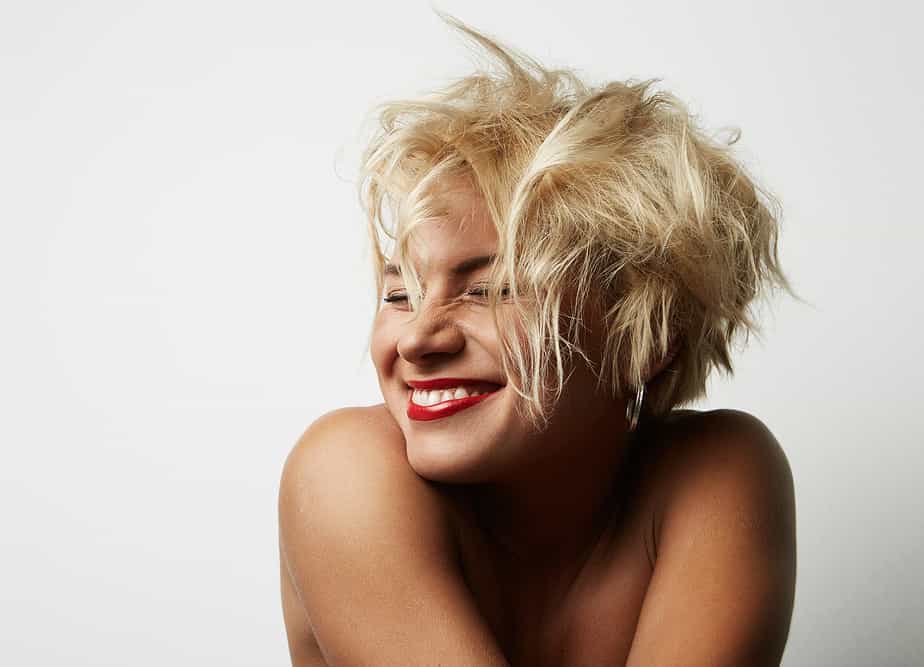
Using purple shampoo on gray hair helps tone down any yellow or brassy undertones, leaving the hair looking brighter and more vibrant. However, it's important to use a gentle formula and not to overuse the shampoo because it can lead to a purple or ashy tint. It's recommended to use purple shampoo once or twice a week.
Will Purple Shampoo Fix Green Hair?
Purple shampoo will not fix green hair. Green discoloration in lightened hair is often caused by copper that has settled into your strands, usually after swimming in a pool with high copper levels. Purple pigment neutralizes yellow tones, so it won’t remove the copper or correct the green. To remove the discoloration, use a chelating shampoo made with EDTA. This ingredient binds to the copper so you can gradually wash it out of your hair.
Is Redken a Good Purple Shampoo?
Redken offers a popular purple shampoo called the Color Extend Blondage Shampoo, which is designed to neutralize brassiness in blonde, silver, and gray hair. It's formulated with a blend of purple pigments and citric acid to help strengthen and smooth the hair. Many people say it's effective at toning down brassiness and leaving their hair looking shiny and healthy.
Is Purple Shampoo Good for Blonde Highlights?
Purple shampoo can be beneficial for blonde highlights, as it helps to neutralize any brassy tones and maintain the cool-toned shade of the highlights. However, it's important to use a gentle formula and not to overuse the shampoo, as it can lead to a purple or ashy tint on the hair. Only use it once or twice a week.
Related Articles
- How Often to Use Purple Shampoo
- Will Purple Shampoo Help Orange Hair?
- Leaving Purple Shampoo in Hair for an Hour
- What Color Cancels out Purple?
We're happy to say that using purple shampoo is relatively quick and easy. For the most part, you use it just like you would any other shampoo! The only difference is that you leave it on your hair for a little longer.
But remember, too much purple shampoo will give your locks a lilac hue, so make sure you use it sparingly. We hope that the information we've covered today is just what you were looking for!