Whether you've just bleached your hair or it came out the wrong shade, unwanted orange tones can easily ruin your new hairdo.
Though you can always bleach your hair again, doing so can cause severe damage or fry your strands. Purple shampoo is touted as a fix-all for simple color tweaks and full-on hair dye disasters, but can you use purple shampoo on orange hair?
Does purple shampoo work on orange hair? What happens?
This is the place to be if you want to learn more about using purple shampoo on orange hair. Let's get right into it!
What Does Purple Shampoo Do to Orange Hair?
Purple shampoo can soften orange hair that leans yellow, but it won't cancel out a true orange.
Free 9-page planner
Plan your next hair color, start to finish.
Our free planner walks you through coloring your hair at home, one step at a time. It shows which kind of color fits the hair you have now, the two tests to do at least 48 hours before, what to do after you color, and how to cancel a brassy or orange tone. There’s also a log for each color you use, so next time you’ll know exactly what worked.
Free. We’ll email you the planner, then two more emails on how to use it, and after that one email every Thursday, plus the occasional extra. Unsubscribe anytime.
Purple shampoo is usually recommended to neutralize yellow tones in recently bleached hair. Purple is directly across from yellow on the color wheel, so the purple tones cancel out stubborn yellow tones (or it fixes yellow hair).
When you apply purple shampoo to hair with an orange hue, you can't expect the same results. Purple does not cancel out orange shades to the extent that it would cancel out yellow tones, because they are not complementary colors.
Does this mean that you can't use purple shampoo on orange hair? Not exactly.
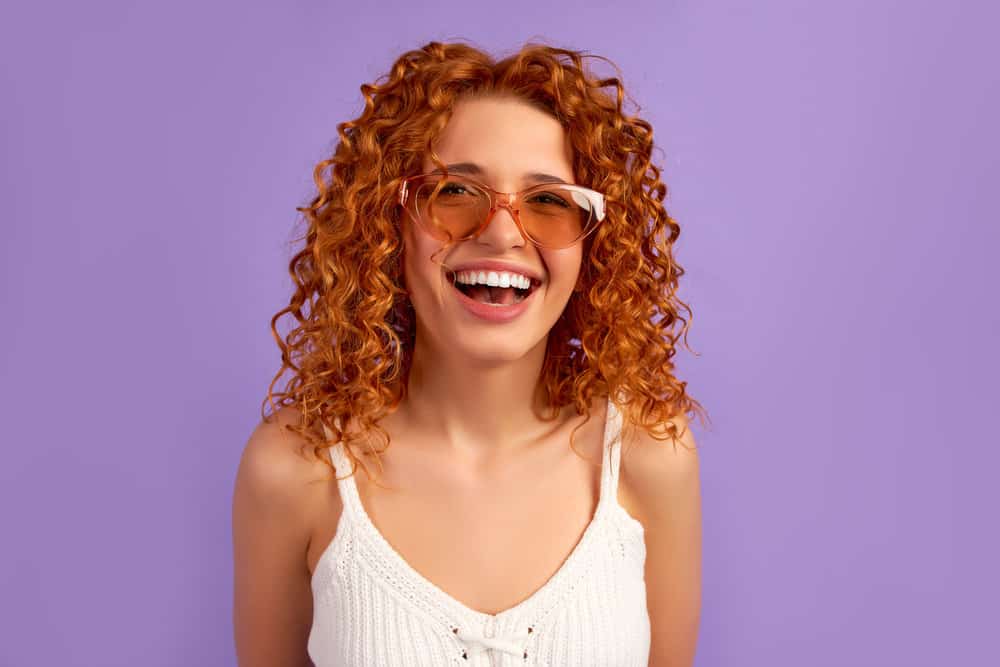
Orange hair exists on a spectrum - it may be really light or extremely pigmented.
It may also have yellow undertones to it (even resembling blonde hair). If your orange hair is light and on the yellow side, purple shampoo may be helpful to you.
Note: If your hair is full-on orange, the purple shampoo may be useless. In cases where you want to cancel out true orange tones, blue shampoo is the better choice.
Orange isn't the only brassy tone that can show up after bleaching your hair, and the product that corrects one tone won't necessarily correct another. Here's what each tone means and what cancels it.
Start with what you see in the mirror
What your tone is, and what actually cancels it
Toning and lifting do two different jobs, and disappointing results usually happen when you reach for one while your hair needs the other. Toner deposits color to neutralize a tone you don’t want. It can’t make your hair several levels lighter or remove artificial dye. Find the row that matches what you see in daylight, then check the last column before choosing a product.
| What you see | What it actually is | What to reach for | What won't work |
|---|---|---|---|
| Pale yellow | Your hair has lifted far enough for most very light blonde results. The pale yellow is what remains after most of the darker pigment is gone. | Purple shampoo for maintenance, or a violet toner for a stronger result that lasts longer than a few washes. | More bleach if you’ve already reached your target level. It adds damage without correcting the yellow tone. |
| Gold | Your hair is sitting between yellow and orange, which is why purple by itself may not do enough. | A blue-violet shampoo or toner, because it can address both sides of the warmth. | Purple shampoo by itself. It may soften the yellow, but it can leave the orange warmth behind. |
| Orange | Your hair has only lifted partway, so some of its natural warm pigment is still showing. | A blue shampoo or toner if you want to keep the same level and make it look cooler. If you want a lighter blonde, your hair may need more lifting first. | Purple shampoo. Purple neutralizes yellow, while blue is the color that neutralizes orange. |
| Red-orange | Your dark hair may be midway through the lightening process, or artificial red dye may still be sitting in your strands. Your hair history decides which one it is. | If it’s natural pigment and you want to go lighter, your hair may need another carefully planned lightening session after it recovers. If it’s artificial red dye, fade it or use a color remover before deciding whether bleach is necessary. | Toner or colored shampoo by itself. Neither one removes red dye or makes your hair lighter. |
| Green | Green on light, porous hair is often caused by copper buildup from pool or household water. If it appeared after coloring, leftover dye may be responsible instead. | A chelating shampoo containing EDTA if copper is the cause. If the green came from dye, use a clarifying or color-removal plan made for artificial pigment. | Purple or blue shampoo. Neither one removes copper, and adding more blue can make a green cast look stronger. |
| Still dark | Your hair hasn’t lifted far enough for a pale blonde result, so there isn’t a light base for the toner to work on. | More lifting only if your curls are healthy enough, preferably over separate sessions. See a colorist if you’re trying to move more than a couple of levels. | Toner. A light blonde dye also won’t take dark or heavily pigmented hair straight to pale blonde. |
One line covers the whole chart: toning changes the tone at the level your hair has already reached. It doesn’t replace lifting, and it can’t remove artificial dye. If your curls feel gummy, brittle, or start snapping, stop processing them and give your hair time to recover before you do anything else.
Why Does Bleached Hair Turn Orange?
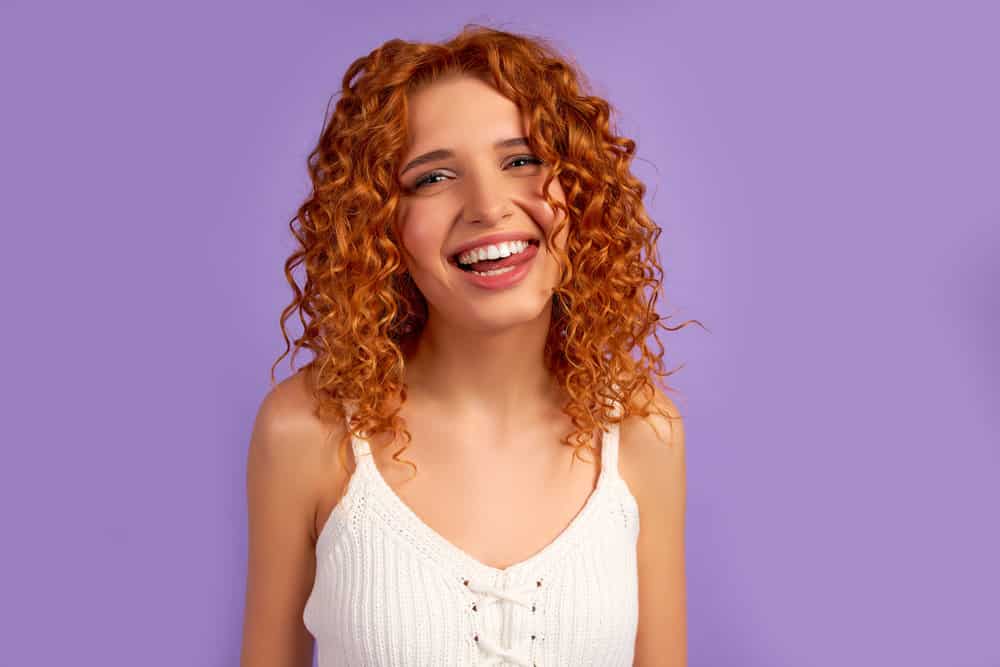
Bleached hair turns orange when the bleach stops before it has broken down enough of your natural pigment. Your hair color comes from two pigments: a brown-black one and a reddish one.
In a review of hair pigment research, black hair held the most brown-black pigment, and each lighter shade held less. Every color except red had only a small amount of the reddish pigment.
Bleach lightens your hair by breaking those pigments down, and it doesn't happen all at once. Dark hair goes from red to orange to yellow on its way to pale blonde. So if your bleach comes off partway, the warm color that's left is what you see. That's why dark hair often turns orange after one round of bleach, while light brown hair is more likely to land on yellow.
Can Purple Shampoo Make Orange Hair Lighter?
No. Purple shampoo only adds a little color to your hair. It doesn't remove any pigment, so it can't take orange hair up to blonde. Only lightening can do that, and lightening comes at a cost.
When researchers bleached hair samples in a lab, the pigment broke down a lot after even the mildest treatment. The bleached hair also showed damage to the outer layer and the inside of each strand, and the stronger the bleach, the more protein the hair lost.
The American Academy of Dermatology notes that lightening your hair more than three shades takes stronger peroxide, which causes more damage. So if your curls feel gummy or brittle after bleaching, give them time to recover before you lighten them again.
How to Tone Orange Hair With Purple Shampoo
Now, assuming that your orange hair is subtle and has yellow undertones, the logical next step is to learn how to tone orange hair with purple shampoo. Here are detailed, step-by-step instructions on how to do so.
Prepare Your Hair
Once you're ready to wash your hair, saturate it from root to tip. Wet hair takes the violet pigment evenly, which stops the color from absorbing more strongly in one section than another.
Do a Strand Test
Apply your purple shampoo to a small, easy-to-hide section of hair. Doing so will give you a preview of how your hair will respond before you apply the shampoo to all of it.
This can help you avoid a coloring disaster and show you how long you need to let your shampoo sit and process. Once you rinse out your test patch, check your results and move on to the rest of your hair.
Apply the Purple Shampoo
Purple shampoo can temporarily stain your skin, so wear gloves if that is something you want to avoid. Then, pour your desired amount of shampoo into your hands and work it into your hair.
Keep massaging until it forms a rich lather. Once your hair is thoroughly saturated with shampoo, let it sit for as long as your bottle recommends, which is usually 2 to 10 minutes. The longer it sits, the more pigment your strands pick up, so start at the short end of that range the first time.
Rinse Your Hair
Once time is up, rinse your hair with cool water until the water runs clear. Cooler water can help fresh color last longer, but you don't need an uncomfortably cold rinse.
Condition Your Hair
Although a standard conditioner is fine, you should consider following up your shampoo with a purple conditioner. Bleach, hair dye, and shampoo can strip your hair of moisture, leaving it dry and prone to breakage.
A review of hair lipid research found that bleach, dye, and the cleaning ingredients in shampoo speed up the loss of your hair's natural oils, which leaves your hair drier and easier to break.
In addition to neutralizing even more of your orange hues, a purple conditioner will help treat your dehydrated strands. Like regular conditioners, purple conditioners contain nourishing ingredients that help restore some of your hair's elasticity and moisture.
Let the conditioner sit in your hair for a few minutes before rinsing well with cool water. Then, dry and style your hair as usual. Conditioning is what smooths your strands. A low-pH conditioner, meaning one that is slightly acidic, helps flatten the cuticle scales on the outside of each strand and reduces the friction and frizz shampoo can leave behind.
Repeat as Necessary
Purple shampoo only provides a temporary color change, so you'll have to use it regularly to keep your locks orange-free. At the same time, using purple shampoo too often may leave you with lavender strands, so try not to use it more than two or three times a week for dark and brunette hair.
If your hair is light or blonde, use purple shampoo no more than once a week. Although it cleanses your strands, purple shampoo doesn't replace regular shampoo.
Note: Make sure you're still washing your hair with regular shampoo once or twice a week.
Dos and Don'ts of Using Purple Shampoo on Orange Hair
In this section, we'll take a look at some dos and don'ts for using purple shampoo to neutralize orange hair. Keep them in mind to help ensure your hair looks and feels great after every wash.
Dos
- Do follow your shampoo up with a purple conditioner if you need more color correction.
- Do use color-safe products when you wash, condition, and style your locks.
- Do a test run on a small section of hair.
- Do rinse your hair with water if it looks too purple after your shampoo session.
- Do use a clarifying shampoo to get rid of unwanted purple pigments.
- Do let the shampoo sit toward the longer end of the time on your bottle if your hair is coarse, thick, or has low porosity.
- Do pick the right shade of shampoo for your hair.
- Do avoid products that have drying or stripping ingredients.
- Do let the shampoo sit for a few minutes, so the pigments have time to adhere to your strands.
Don'ts
- Don't rinse your purple shampoo out with warm or hot water.
- Don't leave the shampoo on longer than your bottle tells you to.
- Don't wash your hair with regular shampoo before you apply the purple shampoo.
- Don't use purple shampoo to color correct extremely dark hair.
- Don't use purple shampoo every time you wash your hair.
When to Use Blue Shampoo Instead
Use blue shampoo when your hair looks truly orange in daylight. Blue sits across from orange on the color wheel, so it cancels orange the same way purple cancels yellow. It won't make your hair lighter either, but it can make the orange look cooler and closer to a light brown or dark blonde.
How to Tell if Your Hair Is Orange or Yellow
Check your hair by a window in daylight, since indoor lights can change how warm it looks. If it looks like a banana or a lemon, it's yellow, and purple shampoo is the right pick. If it looks like a pumpkin or a new penny, it's orange, so go with blue. Gold falls in between, and a blue-violet shampoo covers both.
How to Use Blue Shampoo
Use it the same way you use purple shampoo. Lather it into wet hair, leave it on for the time on the bottle, and rinse. Start with once a week, and check your color in daylight before you use it again. It may take a few washes before you see a real change.
If Neither Shampoo Works
Shampoo can only do so much. If your hair still looks orange after a few weeks and you want to stay at the same level, a blue-based toner may be the next step. Most toners are mixed with developer, a peroxide cream that helps the color work, so a toner lasts longer than shampoo.
Follow the instructions on the box, including any allergy test they ask you to do. The American Academy of Dermatology says a rash, redness, swelling, burning, or itching means you're having an allergic reaction. If that happens, stop using the product, and see a dermatologist.
If the orange comes from your natural pigment and you want your hair lighter than the orange stage, you need another round of lightening, not toner. Wait until your curls feel strong again, and see a colorist if you need to go more than a couple of shades lighter.
Best Purple Shampoos for Getting Rid of Orange Hair
A high-quality purple shampoo is essential if you want to keep your hair healthy and free of unwanted brassy tones. Need some product recommendations?
Here are four of the best purple shampoos for neutralizing orange tones in your hair.
Olaplex No. 4P Blonde Enhancer™ Toning Shampoo
This highly concentrated shampoo can help erase unwanted orange hues from your hair while leaving it clean and resilient. Like all Olaplex products, it contains a patented technology that repairs broken bonds in your hair.
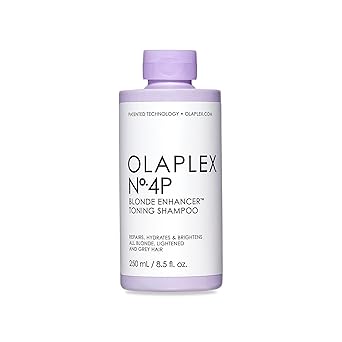
The luxurious, sulfate-free formula helps correct your color while keeping your hair hydrated from roots to tips!
BIOLAGE Color Last Purple Shampoo
Biolage's long-lasting purple shampoo neutralizes brassiness, leaving your hair cool and beautifully colored. The luxurious formula is enriched with fig and orchid extracts for hair that looks and feels better after every use.

Unlike some other purple shampoos, Color Last nourishes your strands and leaves them with a silky shine.
milk_shake Silver Shine Light Shampoo
This nourishing shampoo is specifically formulated to color correct blonde, white, and gray hair. It contains strengthening milk proteins and antioxidant-rich berries that repair, condition, enhance, and protect your strands. That makes it a better match for pale yellow or golden tones than for true orange.

In just one use, it'll counteract unwanted warm tones while leaving your hair soft and smooth.
Joico Color Balance Purple Shampoo
This color-enhancing purple shampoo is enriched with antioxidant-rich green tea extract that helps protect your hair against pollution and environmental damage.

It also contains UV absorbers, so your color stays vibrant even after being exposed to sunlight. Joico's purple shampoo repairs and protects color-treated hair, leaving you with gorgeous cool blondes and silvery grays.
Related Articles
- Can You Use Purple Shampoo Every Day?
- Brown Hair Purple Shampoo Before and After
- How Long Can I Leave Purple Shampoo in My Hair?
- How to Get Purple Toner Out of Hair
Purple shampoo is a gentle alternative to harsher color correction processes, like bleach, color removers, and toner.
Just make sure you use it properly so you aren't left with wonky purple strands. We hope this article has helped explain how to do just that and informed you of everything you needed to know about using purple shampoo on orange hair.