
We're always looking for new hair products, especially when they have raving reviews. Lately, we've been hearing a lot about the benefits of using grapeseed oil for hair growth, dandruff, and many other hair-related benefits.
If you've not heard much about grapeseed oil, you're not alone. This article required quite a bit of research because grapeseed oil hasn't been a commonly used oil within the Curl Centric community.
As usual, we've done the research and prepared an article that will cover all the details, including the best ways to use grapeseed oil.
Is Grapeseed Oil Good for Hair?
Grapeseed oil is good for your hair as it provides moisture, strength, and shine. Applying a few tablespoons of grapeseed oil to the hair and scalp before shampooing can be helpful.
The oil is a natural sealant that keeps moisture in the hair's follicle, preventing dryness and breakage. It is easily absorbed, making it a popular natural moisturizer.

Free 50-page guide
Your hair is already growing. The problem is keeping it.
About a third of an inch a month on textured hair, not the half inch you’ve read. If your length looks stuck, that’s your hair breaking off as fast as it grows in. Here are the seven causes of breakage and the weekly routine that stops them.
Free. One email a week after that. Unsubscribe anytime.
Regular use can also help restore scalp oils lost due to aging. Grapeseed oil contains antioxidant-rich substances such as proanthocyanidins and glutathione, which can boost immunity.
The oil's linoleic acid, which contains omega-6 polyunsaturated fatty acids, can reduce inflammation and improve scalp health. Additionally, grapeseed oil is used as a natural treatment for baldness.
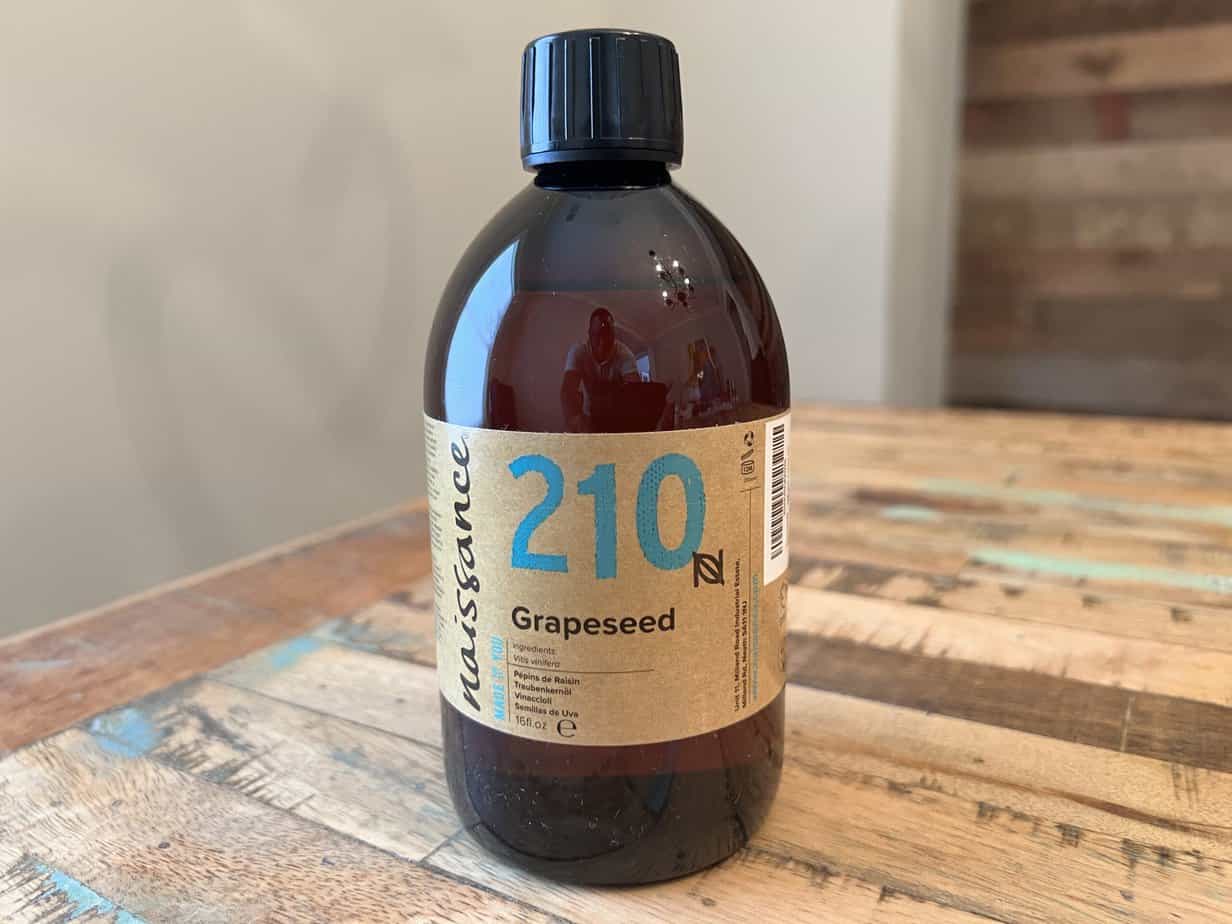
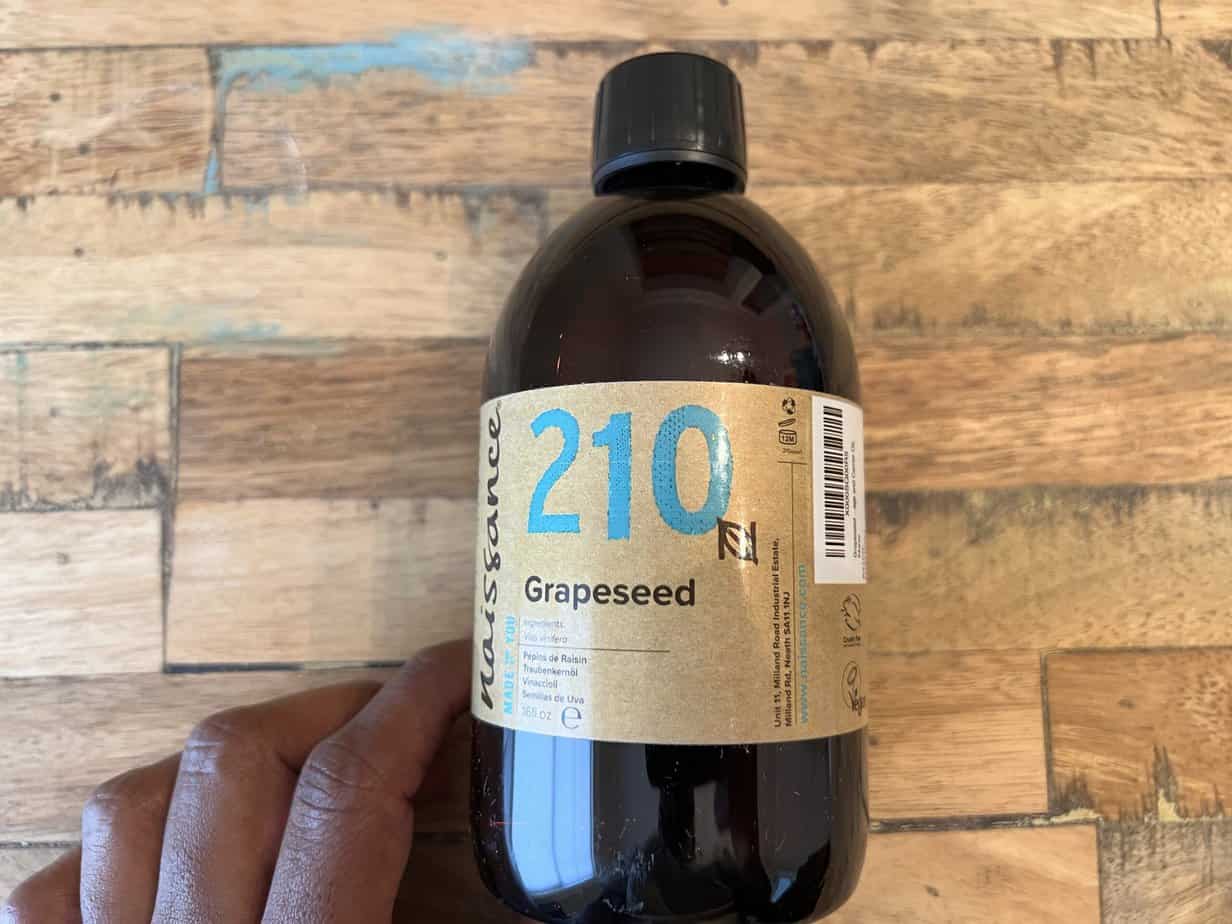
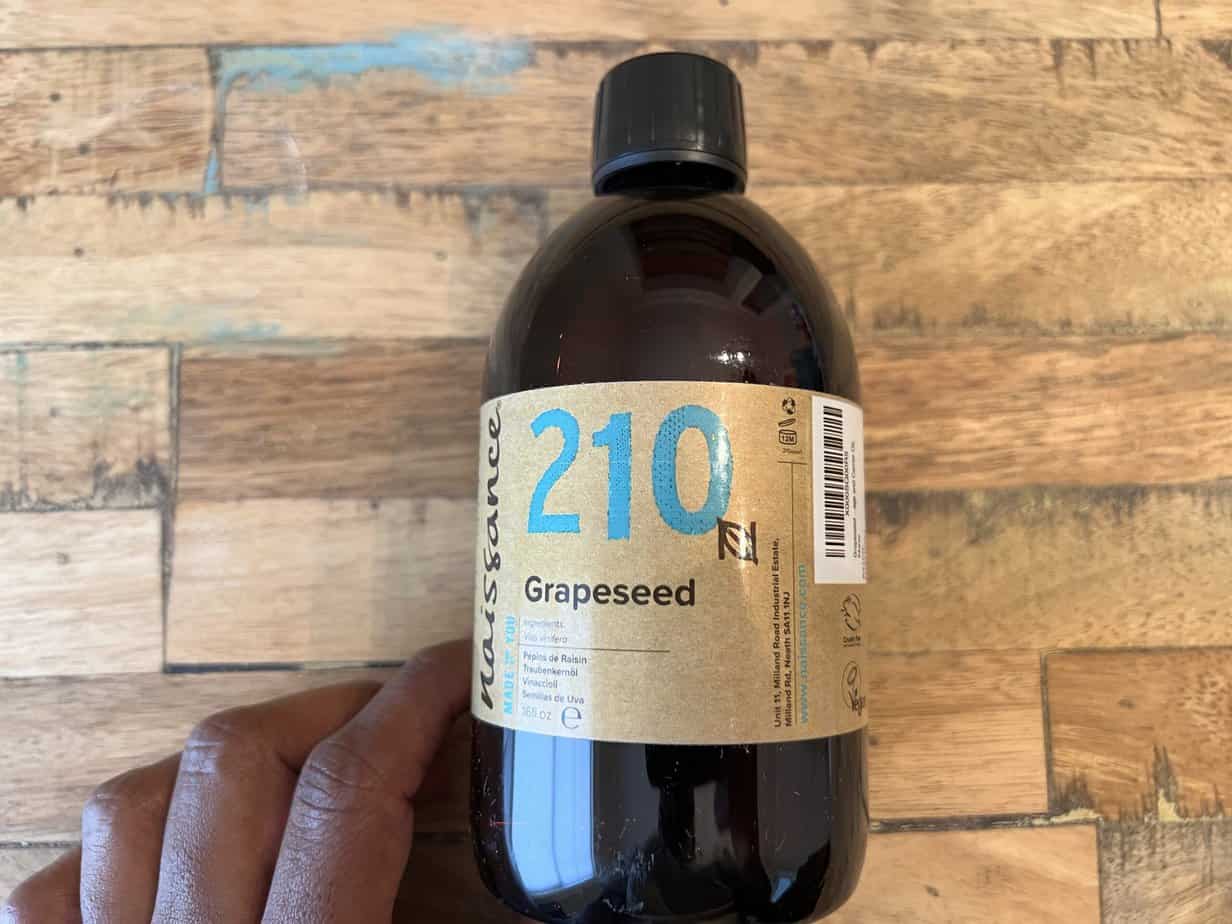
Kira recently tried using 100% natural, refined grapeseed oil on her hair, and she was impressed with its hypoallergenic properties, making it suitable for her sensitive skin also. This vegan-friendly oil left her hair feeling soft and smooth and became an effective moisturizer quickly absorbed by her skin.
How to Use Grapeseed Oil for Hair
Using grapeseed oil in hair is quite simple and can be a great natural treatment for those prone to dry, brittle hair. Start by heating up two or three tablespoons of the oil and then gently massage it into your scalp.
Distribute it through the roots of the hair until all or most of the oil has been absorbed. For those who need some extra attention on their ends, grapeseed oil can be massaged into the tips of the hair as well.
Grapeseed oil won't leave hair greasy or oily, and it can be used once or twice a week. Individuals may apply a leave-in conditioner beforehand and then finish up with grapeseed oil.

The Benefits of Using Grapeseed Oil
One of the primary benefits of grapeseed oil is that it works as a natural sealant to keep moisture in the hair follicle.
The goal is to prevent hair from getting dry and crunchy, which decreases the chances of breakage. Grapeseed oil is quickly absorbed, making it a go-to natural moisturizer for many beauty gurus.

In addition, this oil can improve the shine and vitality of hair. As people age, their scalp produces less sebum, a natural oil that keeps the hair and scalp vibrant and healthy.
A lack of sebum can lead to breakage, dryness, and thinning hair. With regular use, grapeseed oil can work to restore those scalp oils.
Also, proanthocyanidins are not the only antioxidant-rich substances related to grapeseed oil. This oil produces glutathione, another kind of antioxidant that has been proven to strengthen immunity.
Also, the omega-6 polyunsaturated fatty acids in the oil's linoleic acid can reduce scalp and skin inflammation. This could lead to better sebum production and an overall healthier scalp.
Fighting Against Free Radicals with Hair Oils
A good way to describe free radicals is that they are the waste products of certain chemical reactions in the human body.
When free radicals build up, they can cause harm to the body, disrupting cells and even breaking into cell membranes.
This causes cellular damage that can lead to all sorts of diseases, including cardiovascular disease, dementia, and some types of cancer.

The vitamin E in grapeseed oil can fight against free radical damage thanks to its powerful antioxidant properties. It fights inflammation and protects skin cells, making it a great anti-aging solution.
The human body does not produce enough Vitamin E on its own, which means that people need to get it in supplemental form or by eating more plant foods.
Grapeseed oil contains Vitamin E to help supplement a lack of it while boosting scalp health.
What's more, grapeseed oil can also help reduce the appearance of scars, as well as heal acne.
It can also tighten pores, which can reduce the prevalence of acne overall. This is a possible solution for those who struggle with acne and breakouts along the hairline.
Grape Seed Oil for Hair Loss
One hot topic surrounding grapeseed oil is how effective it is against hair loss. Due to its high content of OPCs, grapeseed oil stimulates hair cell production, which may prevent or slow hair loss.
This is promising news for those who struggle with pattern hair loss or thinning hair. There is even some evidence that grapeseed oil can speed up hair growth.
A study out of Tsukuba Research Laboratories in Ibaraki, Japan, looked at how OPCs promoted hair growth in mice.

The researchers found that the mice that were treated with proanthocyanidins showed 300% more hair growth than the control group. This led scientists to declare that grapeseed oil does exhibit growth-promoting activity.
Fight Dandruff with Grapeseed Oil
Another big question is whether or not grapeseed oil is good for treating dandruff. It is true that this oil has potent antiseptic and anti-inflammatory properties.
Over time, it could be useful in easing the irritation, redness, and itchiness of common dandruff.
Grapeseed oil also improves the performance of the scalp's blood vessels, helping to repair capillaries that have sustained damage.
It also does a good job of removing excess deposits of skin from the scalp and hair while rejuvenating the hair follicles.

Why Not Use Another Hair Oil?
There are benefits to using other hair oils, such as black seed oil, olive oil, coconut oil, and jojoba oil. That being said, these common oils may not work all that well, depending on a person's hair type.
For instance, coconut oil can be heavy on the hair, weighing it down. Jojoba oil is nice and light, but it doesn't penetrate into the hair's cortex, meaning it doesn't moisturize as well.
On the other hand, grapeseed oil is lightweight and nongreasy, which is great for all hair types. Further, grapeseed oil is a polar oil, meaning it contains heteroatoms that carry a different electronegativity to nonpolar oils.
Polar oils have the unique characteristic of being water-soluble, and they can improve aesthetics in cosmetics and hair care. For reference, nonpolar oils include castor oil and most vegetable oils.
What About Grape Seed Extract?
Consumers might get confused if they see grape seed extract on grocery store shelves. The grape seed extract is very similar to grapeseed oil, only it has a higher concentration of linoleic acid, OPCs, and Vitamin E.
While grapeseed oil is a byproduct of pressing grapes (often during the winemaking process), grape seed extract is an industrial derivative of pressing the grape seeds.

It's possible to add grape seed extract to the oil. It is inexpensive, odorless, and lightweight, just like grapeseed oil. Of course, it is not necessary, as regular grapeseed oil should suffice.
On a side note, it is easy to confuse grapefruit seed extract and grape seed extract. While they sound similar, there isn't any evidence that grapefruit seed extract has the antiseptic properties of grape seed extract.
What Grapeseed Oil Can't Do
While there are many great things about grapeseed oil, there are some things that this substance just can't do. There haven't been any official clinical studies on the hair and skin benefits of grapeseed oil, although it is favored by many in the natural hair community.

It is not as effective against certain skin conditions, such as eczema, fungal irritation, psoriasis, and seborrhea. These conditions will require a prescription-strength skin treatment, although grapeseed oil may be used if and when symptoms improve.
If a person is merely suffering from a dry, itchy scalp, then grapeseed oil can be a great natural solution. Individuals should keep in mind that this isn't a quick-fix solution.
What's in Grapeseed Oil?
As the name suggests, grapeseed oil is made from grape seeds and is full of oligomeric proanthocyanidin complexes, or OPCs. It's quite a mouthful to say, but essentially, OPCs are plant-derived polyphenolic substances that are packed with antioxidants.
Proanthocyanidins are also found in apples, chocolate, and wine (which makes sense since OPCs are present in grapes). Grapeseed oil contains up to 95% of OPCs, the most of any other antioxidant.
The appearance of these OPCs lowers the production of dihydrotestosterone or DHT. This is a hormone that is linked to baldness, particularly androgenic alopecia, also known as pattern hair loss.
The oil that is extracted from grape seeds contains linoleic acid, a fatty acid that is found in other foods and contributes to organ function.
Linoleic acid is not produced naturally by the human body, but people typically get this oil from fortified foods. When individuals don't get enough linoleic acid, it can lead to dry scalp and hair and even hair loss.

How Safe Is Grapeseed?
The National Center for Complementary and Integrative Health recognizes grapeseed oil as a safe substance and a beneficial one at that.
A study out of Princeton University explored the capillary adhesion between hair fibers that were treated with different types of oils. Their conclusion was that plant oils, such as grapeseed oil, worked as natural conditioning agents.
While grapeseed oil itself has many benefits, there have been concerns about the way that it is processed. Since the oil is a byproduct, it typically has to go through a chemical procedure to make it onto store shelves.
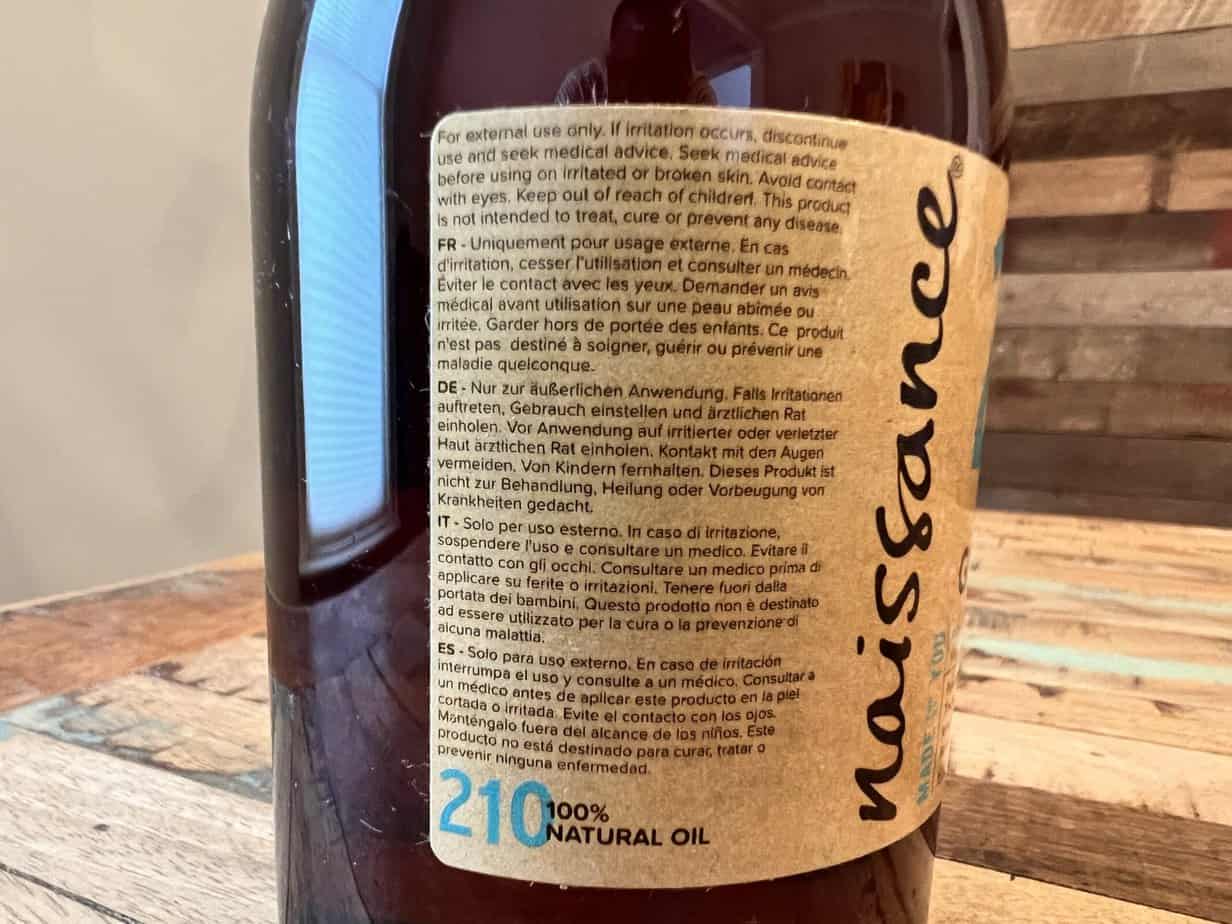
Therefore, many commercially-available products with grapeseed oil are made with hexane, a chemical solvent that is a known air pollutant and neurotoxin.
There is also a question surrounding grapeseed oil that is placed over high heat since this process oxides the soil, depleting it of its properties.
Experts are still unclear what the effects of grapeseed oil are on humans when used in trace amounts, such as a weekly hair treatment.
For now, individuals may be better off purchasing grapeseed oil that is cold-pressed or expeller-pressed because this type of processing does not require chemical solvents like hexane.

Related Articles
- How to Dilute Rosemary Oil for Hair
- How to Use Tea Tree Oil for Scalp
- Canola Oil for Hair Growth
- How to Moisturize Low Porosity Hair Daily
While it would be great to see immediate results for hair loss or dandruff, it is unwise and impractical to expect overnight success with grapeseed oil. Even so, this natural treatment can be highly successful with time and patience.
It's unclear what effect consuming these solvents has on humans in trace amounts. During processing, grapeseed oil may also be heated to very high temperatures, which may oxidize the oil and make it go bad.