
Almond oil is one of the most popular hair care products in the beauty industry. You may have some sitting around in seed form in your kitchen, but how well does almond oil really work as a hair care product?
In this article, we'll discuss the benefits of using pure almond oil for natural hair growth, hair loss, dandruff, scalp massages, and much more.
Is Almond Oil Good for Hair?
Almond oil is good for your hair due to its many benefits, including softening and moisturizing it, making it easier to comb and style. It can also improve the scalp's health, reducing dryness and flakiness.
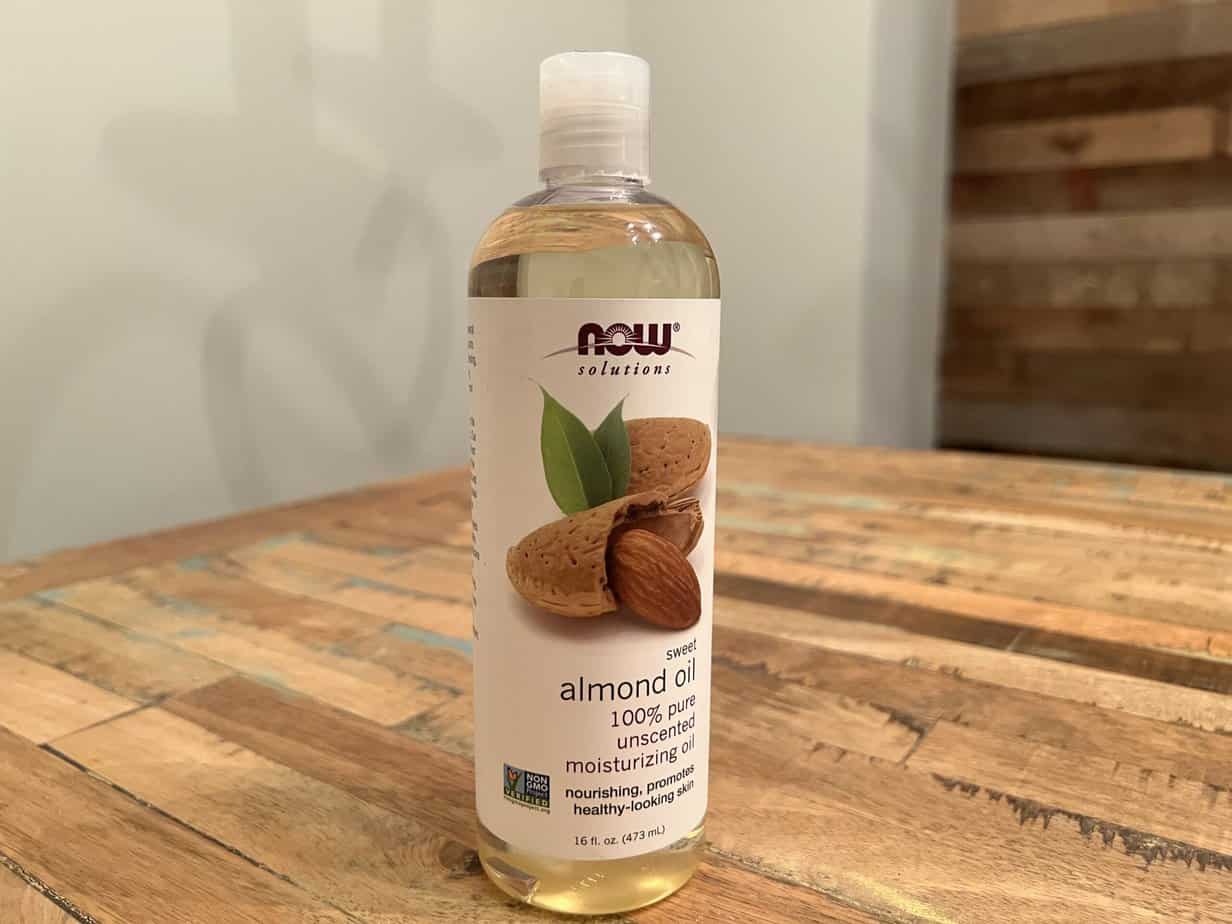
Additionally, almond oil can strengthen the hair, making it more resistant to damage from everyday activities like brushing and styling.
Almond oil is also full of nutrients like protein, omega-3 fatty acids, vitamin E, magnesium, and phospholipids, so it can help nourish the hair and promote its overall health and shine.

Free 50-page guide
Your hair is already growing. The problem is keeping it.
About a third of an inch a month on textured hair, not the half inch you’ve read. If your length looks stuck, that’s your hair breaking off as fast as it grows in. Here are the seven causes of breakage and the weekly routine that stops them.
Free. One email a week after that. Unsubscribe anytime.
Incorporating almond oil into your hair care routine can be a great way to improve the health and appearance of your hair.

How to Use Almond Oil for Hair Growth and Thickness
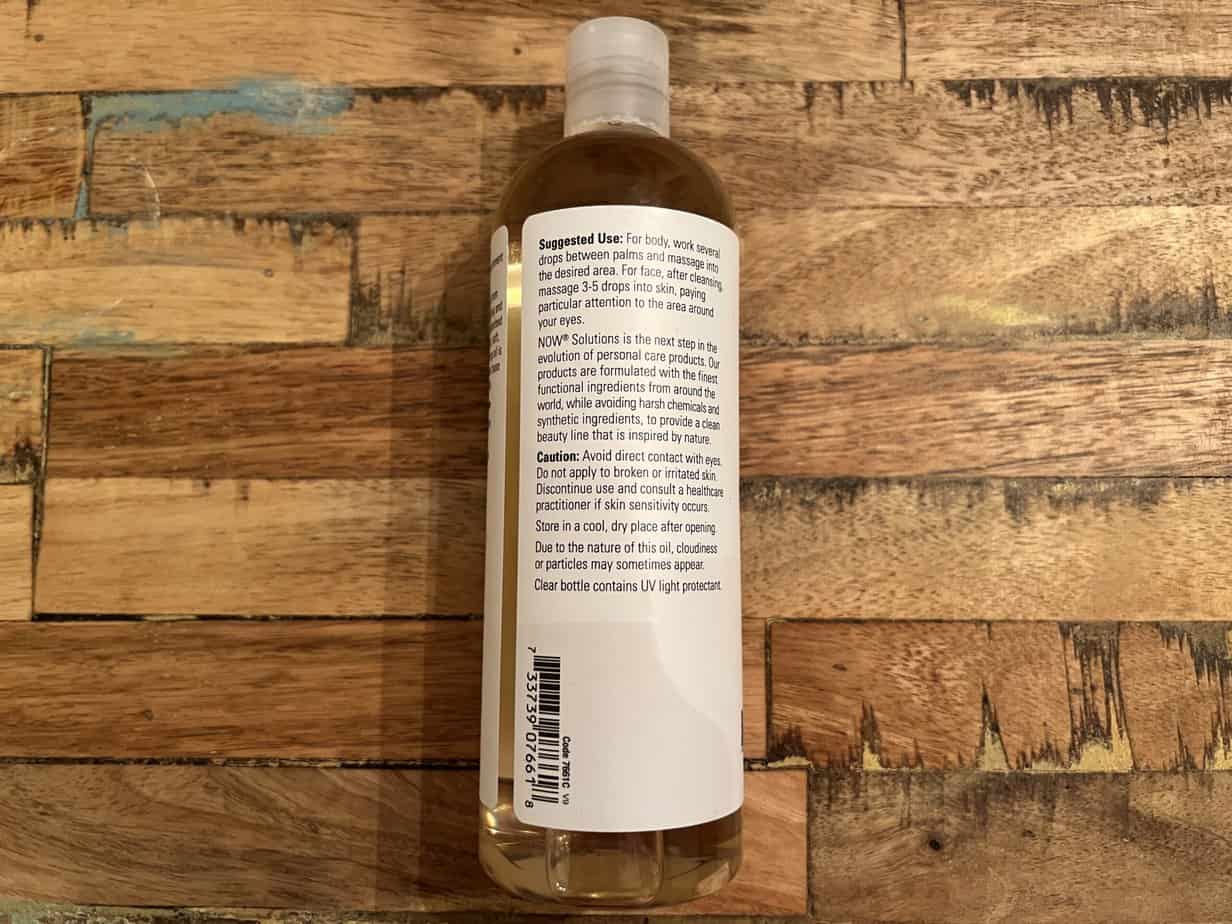
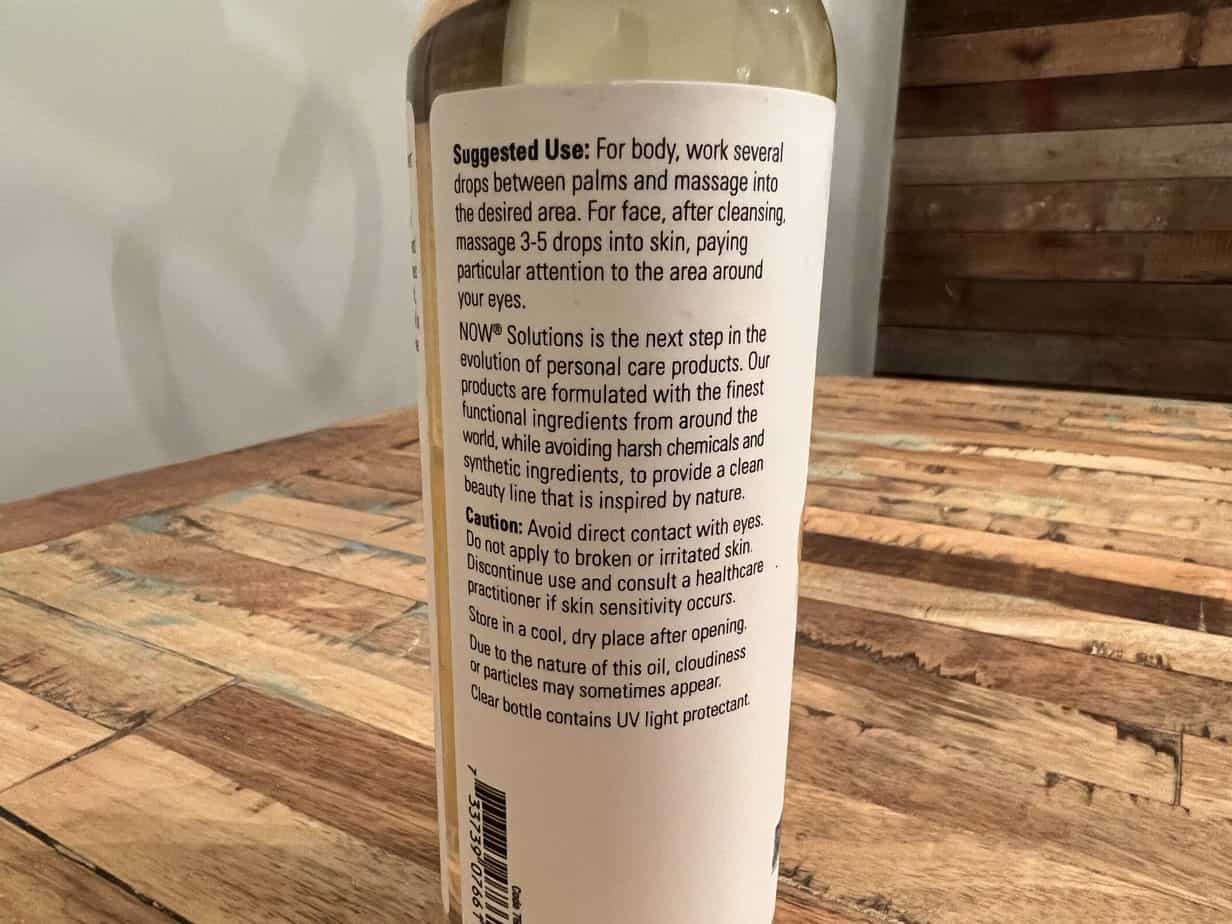
Almond oil is pretty easy to use and apply to your scalp and hair. It can be rubbed indirectly, which is precisely what you should do, though you don't want to drown your follicles in the oil, as only a couple of drops should do.
If you are applying almond oil with the hope of increasing softness and enhancing sheen, be sure to apply almond oil to your hair's ends. Massage your hair and scalp gently and leave it in after applying it.
If you want to use it as a hair mask, mix one-part at room temperature with two parts coconut oil and a conditioning agent such as avocado. Apply this mask to hair that's clean and dry, and leave it in for as long as 40 minutes.
What Does Sweet Almond Oil Do for Your Hair?
Contrary to its ancient toxic origins, there is actually a robust amount of scientific data that points to almonds and almond oil as having great health benefits.
For example, one study found that almond oil can help with stretch marks, while another in the International Journal of Molecular Sciences found that it can relieve itchiness.
These are just two examples of how almond oil can help your skin, and almond oil really shines as a skin care product. Almond oil tends to stay at skin level, making it ideal for treating the top epidermal layer and the region just below, which is, of course, where your hair is rooted.
At the root of almond oil extracts' beneficial nature for your hair, skin, and overall health is its nutrient-rich nature, starting with the fact it's full of vitamin E.
If you are a connoisseur of skin and hair care products, you can probably already guess why almond oil does so well here because vitamin E is extremely versatile in this regard, helping with everything from free radicals to rough skin to sun damage.
It has more recently been hailed for its aesthetic properties, helping to give your hair a sleeker, brighter shine.

We'll get into why vitamin E is so essential to good hair care below, but first, let's touch on another major nutrient that almond oil contains that's quite helpful namely protein. Individual strands of hair are made up of keratin, which is a protein.
A lack of protein can lead to a lack of hair in the form of hair loss (called "hair fall" in some cultures). A lack of protein can also lead to hair that is porous, limp, or brittle.
One tactic for reversing that, therefore, is to introduce more protein into your system.
While you can, in theory, go full Rocky Balboa and guzzle down a bunch of raw eggs or meat to do the trick, adding a bit of almond oil to your hair care routine is probably better for your health, as well as your hair.
It's for this reason that almond oil is often used as an emollient and moisturizer, both of which can help significantly soften your skin when used correctly.
It is an especially effective treatment for eczema, with a 2018 study in the Journal of Drugs and Dermatology finding that sweet almond oil extract reduced symptoms for moderate and even some severe cases of dermatitis.
Almond oil also contains omega-3 fatty acids, and while research on its abilities visa vi hair is limited, there is some promising data to suggest it may help stimulate hair growth.
A 2018 study, for example, found that omega-3 aided hair growth in rodents.
That holds consistent with a 2015 study on female hair loss in the Journal of Cosmetic Dermatology, which tested two groups of 60 people, one taking omega-3 and omega-6 and the other a control group, the results finding better active growth in the former group than the latter.
Some data from that same study suggest that omega-3 might also help with hair thickness, but data is still limited.
The Benefits of Pure Almond Oil for Hair Care

1. Vitamin E and Antioxidant Benefits
Chances are you've heard about the many benefits that can come from introducing antioxidants into your diet, and the same can be true of your hair. The reason has to do with what are known as free radicals.
Once activated by external sources such as UV light, these are molecules that can become unstable and cause your hair and skin to age faster.
This is where almond oil can help. Vitamin E has been a go-to skincare product since at least the 1950s, and its anti-aging properties are now being embraced on the hair care side of the equation as well.
That isn't all vitamin E can do for your hair. A small trial conducted in 2010 found that it may also help with oxidative stress, helping mitigate hair loss.
Vitamin E is also good for balancing out the oils on your scalp. You don't want to totally eradicate them, as you don't want your scalp drying out, but you don't want a greasy mess on top of the scalp.
A certain amount of protective oil on your scalp is necessary. Its deficiency can be caused by a lack of vitamin E. Almond oil, with its rich vitamin E content, can help with all of this and is actually better for those with oily hair.

2. Add Softness and Shine
There's a certain sense of pride that can come from having hair that's smooth, soft, and sleek, and almond oil can do that for you. Instead of suffering from hair that's frizzy or brittle, almond oil can smooth and soften your hair while giving it a fresh new shine.
That's partly because almond oil is a natural emollient, which means it can fill gaps in your hair down to the cellular level, which in turn can smooth the follicles out and make them nice and healthy.
When your hair is smoother and softer, it is also easier to comb, which in turn means you won't have to worry about aggressively combing frizzy ends or causing frizziness or hair breakage with aggressive over-combing in the first place.

3. Strengthens and Repairs Hair
In addition to vitamin E, almond oil is also rich in vitamin B-7, which can help strengthen your hair. This and other nutrients allow almond oil to repair your hair on the cellular level, giving you hair that's healthier and more luxuriant.
Add to that the fact that almond oil can trap moisture and prevent damage, and the reason for its inclusion in so many hair repair and strengthening shampoos and conditioners becomes clear.
As touched on above, almond oil can also treat hair loss.

4. Hair Growth
It's the great holy grail of hair care for so many - products that can stimulate hair growth. While studies are still not conclusive about many products marketed as hair growth stimulants, almond oil has certainly shown potential in that regard.
5. Lovely Fragrance
Looking to add a little something extra to your hair's appeal? Almond oil can also imbue your hair with a sweet fragrance, which is one more reason shampoo mixtures love to include almond oil.

6. Antidandruff and Anti-inflammatory Properties
Few hair and scalp conditions have the potential to be as embarrassing as dandruff, which is why you'd like to do anything you can to eliminate it.
While almond oil won't get rid of it on its own by any means, it can help, in no small part, because it is good at dealing with dry skin.
As mentioned above, almond oil is a natural emollient and moisturizing agent, both of which mean that it does a great job of softening and smoothing out the skin.
That's good news for dandruff sufferers because itchy, dry skin, while by no means is the sole cause of dandruff, can certainly contribute to it. Learn more about the causes of dandruff by reading this article.
Almond oil not only brings out the best in your hair but soothes your scalp to make it possible for it to grow healthily in the first place.

Potential Side Effects of Almond Oil
Another big upside to using almond oil in your skin and hair care regimen is the fact that it has very few negative side effects, though if you have any nut allergies, you'll want to steer clear.
It can occasionally cause itchiness or redness, though this is rare. That said, you'll want to dab a bit on a small part of your skin to see if it bothers you. If not, you should be in the clear.
Where Does Almond Oil Come From?
These seeds are native to Iran and the Levant, and the Mediterranean. There are suggestions that almond trees may have been among the first domesticated for human use.
Evidence for their usage in the area dates back to at least the Early Bronze Age, and some almonds were even found in King Tutankhamun's tomb.
A fourth-century text, St. Basil's Hexaemeron, contains a reference to almond trees.
It directed people to stick them in the center and observe a "change" come over them, which scientists now think may have halted toxin production, thus making their almond seeds safe to eat.
Humans may actually have caught a break there, as a single genetic mutation thousands of years ago helped "turn off" some of the plants' toxic potential.

From there, they spread to Europe and eventually North America, where California has become one of the biggest producers of almonds in the world.
Wild almonds are actually poisonous, which makes it that much more impressive that ancient civilizations in the Middle East and Caucuses were able to figure out how to cultivate and make them nonlethal and delicious.
The name has evolved over the eons as well - "almond" comes from "almande" in Old French, which comes from the Latin amandula, which in turn is connected to the Greek "amygdala," which you probably recognize as part of the brain.
Further connecting the different elements of this etymological game is the fact that the Italian word for almond, "mandorla," refers to almond-shaped bursts of light around holy people seen in holy art, especially in early Christian art.
This includes some of the fifth-century mosaics adorning the Church of Santa Maria Maggiore in Rome.
Today, almonds can be sweet or bitter, with the latter category a throwback to its older, wilder, more toxic variety, containing trace amounts of prussic acid, albeit not nearly enough to make you sick.
Which Almond Oil Is Best for Hair?
Sweet almond oil is considered to be the best type for hair because it's rich in vitamins and minerals beneficial for strengthening hair, including vitamin E, magnesium, and omega-3 fatty acids. It's also a lightweight oil that is easily absorbed into the hair, helping to moisturize and nourish the hair without leaving a greasy residue.
Is Vatika Almond Oil Good for Your Hair?
Vatika almond oil is good for your hair because it's formulated with a blend of natural oils, including sweet almond oil, coconut oil, and sesame oil, which work together to nourish and strengthen hair. It can help to reduce breakage, promote hair growth, and improve the overall health and appearance of hair.
Is Head and Shoulders Almond Oil Good for Hair?
Head and Shoulders has a line of products that contain almond oil, such as the Head and Shoulders Supreme Moisture Shampoo with Argan Oil and Almond Oil. However, remember that Head and Shoulders is primarily an anti-dandruff brand, so if you don't have dandruff, consider other options that are more specifically formulated for hair nourishment and moisture.
Which Oil Is Best for Hair Almond or Coconut?
Both almond oil and coconut oil have benefits for hair, but which one is best depends on the specific needs of your hair. If you have fine hair, or a sensitive scalp, almond oil may be the better choice. If you have dry, damaged hair or are looking to reduce protein loss, coconut oil may be the better choice.
Related Articles
- Peppermint Oil Benefits for Hair
- How To Use Argan Oil on Curly Hair
- Benefits of Jojoba Oil for Hair
- How To Get Castor Oil Out Of Hair
- What Is Kente Oil?
Almond oil is an incredibly versatile skin and hair care treatment. The side effects really aren't much of a problem for most people.
So if you are looking for a hair and skin care oil to try as a newcomer, this is about as easy and safe of an option as you can find.
There is also evidence that it can strengthen and repair hair, mitigate hair loss, and may even help with hair growth.
All of these benefits combined make almond oil an enticing hair care option.