
If you've ever seen Sisterlocks (sometimes written as sister locks), we'll bet you were enamored with the hairstyle.
Sisterlocks are one route of several. If you’re still weighing them up, find out which loc method is best for your hair in about two minutes.
The beautiful style was created in 1993 by Dr. JoAnne Cornwell, a well-known pioneer who wanted to create a natural hair care system that celebrates your natural beauty and textured hair. Since their inception, Sisterlocks have gained widespread popularity in the black community.
In this article, we'll explain everything you need to know about Sisterlocks.
| Measure | Value |
|---|---|
| Style type | Long-term Sisterlocks aren’t installed and taken down; they’re started and then maintained, so this is a decision about the next few years of your hair rather than the next few weeks. |
| Also known as | Nothing else, and that matters Sisterlocks is a trademarked system installed by trained Sisterlocks professionals. Microlocs can look similar, but they use different methods and don’t follow the same system. Say Sisterlocks when you call so you’re booked for the service you want. |
| Install time | 8 to 36 hours Almost nobody gets Sisterlocks started in one appointment. Your consultant will usually start your locs across three or four sessions of seven hours or more, spread over a week or two. |
| Salon cost (US) | $450 to $1,000 and up Your hair’s length and density drive that price more than your region does, because your consultant is charging for hours and thin parts take longer. Budget another $30 to $95 for the consultation, which is required before anyone will start your hair. |
| DIY cost | Not applicable Only a certified consultant can start your Sisterlocks, because the tool and the technique both come with the certification. This is the one style on this site where doing it yourself isn’t an option. |
| Can you do it yourself | No A trained Sisterlocks professional should establish your locs. After you learn the maintenance method, you may be able to retighten the new growth at home. |
| Retightening interval | Every 4 to 6 weeks Your consultant retightens your locs by rolling the new growth at your roots back into each loc, and that’s the appointment that stands in for a wear window, because your locs aren’t coming out. Each session runs $100 to $250. Push past eight weeks and your roots start to thin, your locs mat unevenly, and they slip loose where they meet your scalp. |
| Tension risk on edges | Moderate There’s no extension hair, so your locs carry no borrowed weight at all, and that puts Sisterlocks well below any braided install on tension. The risk is different in kind: retightening returns to the same points on your scalp every few weeks, and a consultant who works too tight can thin your hairline over months. Say something at the first sign of soreness rather than waiting for your next appointment. |
| How to tell it’s too tight | Bumps along your part, tenderness, or little popped hairs Say something during your install rather than after, because loosening a section in the chair is far easier than repairing your hairline months later. Dermatologists say to take a style out immediately if it causes pain or irritates your scalp, and that advice holds even when you’ve just paid for it. |
| Hair needed | None Sisterlocks use your own hair only, so there’s no borrowed weight on your roots the way there is with braids that use extension hair. |
| Weekly upkeep | 5 to 10 minutes Between wash days, tie your locs down at night and use a light scalp oil only if your scalp needs it. Daily upkeep is simple; the bigger commitment is your regular retightening appointment. |
| Removal | Not designed to come out Sisterlocks don’t come out like braids. Combing out one loc can take an hour or more, so removing a full head may take days. Some people cut their locs instead. Be sure you’re ready for a long-term style before you begin. |
| Rest before next install | Not applicable There’s no cycle of installing and resting here. Ask yourself instead whether you can commit to a retightening appointment every four to six weeks, indefinitely. |
| Best suited to | 3C through 4C, and looser textures too Your hair needs enough texture to hold a loc, and tighter patterns loc faster. Looser curls can wear Sisterlocks, but expect a longer stretch at the start while your locs settle and stop unraveling. |
| Not for you if | You want a style you can undo in an afternoon, or you can’t commit to $100 to $250 every four to six weeks. The price to get your locs started is the smaller half of what Sisterlocks actually cost you. |
How we got these numbers. We collected published figures from consultant, salon, and hair-retailer sources, then reconciled them instead of averaging them. Sisterlocks pricing is unusually consistent across sources because the system is certified and the consultant pool is small.
Sources: American Academy of Dermatology on hairstyles and hair loss. Cost, time, and wear figures come from secondary research across published stylist, salon, and hair-retailer sources, and reflect typical US mid-market pricing that will vary by region and stylist. Last verified August 2026.
Sisterlocks rate moderate because repeated retightening can put stress on the same areas of your scalp. Our protective style comparison shows how that tension compares with the other styles we measured.

Free 50-page guide
Your hair is already growing. The problem is keeping it.
On average, hair grows a third to half an inch a month, and curlier hair tends to grow more slowly. If your length looks stuck, that’s your hair breaking off as fast as it grows in. Here are the seven causes of breakage and the weekly routine that stops them.
Free. One email a week after that. Unsubscribe anytime.
What are Sisterlocks?
Sisterlocks are miniature-sized dreadlocks or micro-braids. They are maintained using the interlocking method. The main thing that differentiates Sisterlocks from traditional locs is their tiny size.
Note: The terms "sisterlocks" and "locs" will be used interchangeably in this article.
Your Sisterlocks consultant can make your locs as small as you'd like, within reason. Sisterlocks parts usually range from ⅛ inch to ⅜ inch in width.

Your consultant's ultimate goal is to create a style that you like. So, when you go for your consultation, speak with your consultant directly and ask them which sizes they offer.
As a general estimate, most people end up with 250 to 400 locs. If you have a larger head, you may get more than 400 Sisterlocks, especially if you want them to be small.
For smaller heads and those who prefer larger locs, you may end up with closer to 250 locks.
Key Takeaways
- Installation Process: Sisterlocks installation requires a certified consultant using a patented interlocking tool. The installation process differs from regular locs, which may use palm rolling or flat twists. The installation is meticulous and can take several hours.
- Maintenance: Ongoing care for Sisterlocks involves regular maintenance appointments for retightening as hair grows. Utilize maintenance tips like wearing a satin bonnet to bed to protect the locs.
- Costs and Time Commitment: Be prepared for the initial cost of installation, which is higher than that of regular locs. There is also a need for follow-up appointments. Consider the time investment, especially during the installation phase.
- Hair Care: Care for Sisterlocks requires specific hair product recommendations, including gentle shampoo. Avoid overloading with products, and consider the shampooing process an essential maintenance aspect.
- Versatility and Aesthetic: Sisterlocks offer a versatile and refined aesthetic. The small size is achieved by using a special tool. The locs' size allows a range of styling options. If you want a mix of tradition and modernity in caring for your natural hair, Sisterlocks are perfect.
How to Install Sisterlocks
Sisterlocks are installed by certified consultants who have been formally trained in creating the style. The Sisterlocks company safeguards the specific method for installing the tiny dreadlocks.
They offer training to individuals who want to learn the coveted technique. When a certified consultant does your locs, they will go through the following general steps:
- Section your hair. Sisterlocks consultants section your hair according to the system taught in their certification class. While every consultant is trained to be systematic with their parting, there may be slight differentiation. The teeth on the comb ensure the sections are the correct size.
- Part each section in rows. After your hair has been parted into several large sections, the consultant will go back through and part each section into rows. These rows will act as a guide when parting the hair for each Sisterlock. They may flat twist each row to keep unwanted hair from getting in the way during installation.
- Install the locks. Using a special locking tool, the consultant will begin interlocking tiny sections of your hair from tip to root.

The Cost of Sisterlocks
| Expense Type | Estimated Cost | Frequency |
|---|---|---|
| Consultation | $50 | One-time |
| Installation | $500 - $800+ | One-time |
| Maintenance/Retightening | $150 - $200 | Every 6-10 weeks |
| Self-Retightening Class | $250 | Optional/One-time |
Sisterlocks are expensive. Most people expect to pay at least $500 to $800 for installation. You could sometimes end up paying even more than $800. This does not include the consultation cost you must pay before installing them (around $50).
Note: We've broken every expense down - consultation, installation, and ongoing retightening - in a printable cost sheet.
Ultimately, the sisterlocks installation price will be determined by the following:
- The size of your head - The larger your head is, the more locs you'll require. This will drive up the price.
- Your desired loc size - The smaller you want your locs to be, the higher the cost.
- The consultant you choose - If you choose a consultant who already has an established clientele, their prices may be higher than a new consultant's prices.
- The length of your hair - The longer your hair is, the longer it will take to do a single Sisterlock. Frequently, consultants will increase the price for every inch of hair on your head.
Due to the steep pricing of Sisterlocks, many people choose the more cost-effective route and get traditional dreadlocks.

Sisterlock Maintenance Cost
Some make the mistake of not considering the cost of maintenance. After the initial installation, your natural hair will grow as usual, and this new growth will need to be incorporated into each loc.
To maintain your style, a consultant will need to interlock the new growth (or additional hair length). Professional retightening could cost anywhere from $150 to $200. You must retighten your locs several times yearly (every 6-10 weeks).

Can I Do My Own Sisterlocks?
If you love Sisterlocks but don't have the funds to get them professionally installed and maintained, know that there is an alternative. You can install your own version of Sisterlocks.
The sisterlocks technique requires you to part your hair into small sections and interlock each section with a miniature interlocking tool. With a ton of patience and many hours, you may be able to create a look that is similar to Sisterlocks.
This is a good option for some due to the money saved.
According to the Sisterlocks website, it is not recommended to do your own locs. The website mentions that different locking techniques are required for different hair types, although Sisterlocks are doable on nearly any hair type (more on this later).
They also say that using a Sisterlocks consultant gives you a better chance of having long-lasting positive results with your locs.

Self-Retightening
While the Sisterlocks company doesn't recommend doing your own locs, there is a way for you to learn how to do your own self-retightening.
There is a retightening class that you can take to learn how to maintain your locs without a consultant's help. Classes are offered by the Sisterlocks company and cost $250. With newbies, we recommend having your hair retightened professionally.
Installation Time
Sisterlocks take a very long time to install. For mid-length hair, it could take 8 to 12 hours to get sisterlocks installed. If your hair is shorter, it will take less time. Conversely, if your hair is long, it could take 12 to 24 hours or longer to get a completed set of Sisterlocks.
When you go for a Sisterlock (installation) appointment, ensure you have a snack or two and something to keep you entertained. You may also want to bring a neck pillow to prevent neck pain. Staring at a wall for several hours at a time can be maddening.
Depending on how long your installation is expected to take, you should be prepared to see your consultant two or more times to complete your whole head.

Who Can Get Sisterlocks?
Sisterlocks were created for black women with naturally curly, coily, and kinky hair textures. So, the style is best suited for African American women with type 4 afro-textured hair.
However, women transitioning from relaxers can get the style, per the Sisterlocks website. If your hair is relaxed, it is even more important to have your Sisterlocks done professionally.
Sisterlocks will also work for you if you have fine hair. The most important thing is that your hair should not be badly compromised.
Putting any extra stress on severely damaged hair will only exacerbate the issue. If your hair is damaged and falling out or breaking off, it is advised to wait until your hair is in a healthier state before you get it locked.

Is Breakage a Concern?
There is a long-standing misconception that Sisterlocks cause breakage, thinning, and balding. You may have even seen someone with thinning Sisterlocks.
According to the Sisterlocks company, the style does not cause breakage and thinning. Instead, they state that the technique is gentle to the hair and scalp and fosters hair growth.
According to Sisterlock gurus, the leading cause of breakage or thinning is lack of maintenance. The style requires tedious retightening several times per year.
Your roots should also be separated if they begin to intertwine. If you don't maintain your locs regularly, they will start to thin and break off.

Longevity: How Long Do Sisterlocks Last?
Sisterlocks last for years. They're started and then left to mature over time with periodic retightening sessions, so your locs have no takedown date the way braids do.
They're not permanent, though. You can take them out without cutting your hair off.
Taking down each Sisterlock one by one can be a long, mind-numbing process. Most people would rather cut their hair off than spend time combing out each loc.
If you are not 100% sure you want Sisterlocks, you should not get them. Wait until you are sure that you're ready for a long-term commitment.
Can You Style Sisterlocks?
Sisterlocks are incredibly versatile, and the more length you have, the more you can do with your locs. However, if your hair is very short when you start your locs, you won't be able to do much with them.
You will not be able to put them in a ponytail or a braided updo. But as your hair gets longer, you will be able to do updos, braided sisterlocks styles, braid-outs, curls, or anything else that you can imagine.
The main appeal of Sisterlocks is that they are small enough to be manipulated into just about any style.
Caring for Your Locs Between Retightening Appointments
In a perfect world, you would be home-free once you're done getting your locs installed. But like anything else that is worthwhile, there will be work necessary on your part.
You must take steps to maintain the style between retightening appointments.

Washing Your Sisterlocks
Sisterlocks are relatively low maintenance, being that you don't need to detangle or style your hair every day.
However, you do need to keep your locks clean for the best results. Washing your locs can be a tricky process because they can unravel, especially when they are new.
When washing your new Sisterlocks, you may need to put them in rubber bands to keep them from unraveling during the washing process. Take the following steps to band your locs before washing them:
- Separate your locs into several 2-inch sections. Feel free to make them smaller if they are short.
- Braid each section down to the ends and put a rubber band at the end to secure it.
- If you have the Sisterlocks brand shampoo, mix it with water in a spray bottle and spray the mixture onto each braided section. If you don't have the name-brand shampoo, you can use whatever shampoo you have.
- Wash your hair as best as you can while it is in the braids.
- Rinse your hair thoroughly and allow your hair to air dry.
Watch this video for a visual demonstration of how to wash your Sisterlocks.
Oiling Your Scalp
If your Sisterlocks are already locked and don't unravel easily, you can oil your scalp as often as needed. But when you first get your locs, oiling your scalp can cause them to slip.
Pros and Cons of Sisterlocks
Knowing the advantages and disadvantages of Sisterlocks can help you decide whether the style is for you. In this section, we will go over all of the pros and cons.
Pros
- Versatility. There is no natural hairstyle more versatile than Sisterlocks. Since they are so small, they can be manipulated into just about any style you can imagine.
- Freedom. Outside of retightening your locs, all you need to do is wash your hair and go.
- Fewer products are required. Sisterlocks do not like a ton of products. They look and behave best when they're clean and free of product. This means that there's no need to buy tons of stylers, serums, or other products.
Cons
- Cost. Within the first year of having Sisterlocks, you’ll have spent roughly $1,250 to $2,400 on the installation and your retightening sessions. Also, the cost of sisterlocks may include a consultation fee with a certified sisterlocks consultant.
- Thin appearance. Your locs may start off thin, which can be difficult for some to deal with.
- They require patience. Your hair will take time to get longer, which can be frustrating for some. But with dedication and regular maintenance, your locs will grow long and luscious.
If you're still deciding, compare them side by side with dreadlocks and with microlocs.

Find a Certified Sisterlocks Consultant
Finding a Certified Sisterlocks Consultant to install and maintain your locs is strongly recommended. To locate a consultant in your area, go to the Sisterlocks website and select your state. You will then see a list of certified consultants and their contact information.
We recommend scheduling an in-person consultation before going through with an installation.
The consultant will cover each Sisterlocks package in detail, including Sisterlocks cost, maintenance, what to do as your locks mature, hair products, and how they differ from traditional locks, loose natural hair, permed hair, relaxed hair, and other common natural hairstyles.
Now you know a ton about Sisterlocks, how they are installed, the pros and cons, and more. If you have any additional questions, contact a Sisterlocks consultant.
Sisterlocks vs Dreadlocks
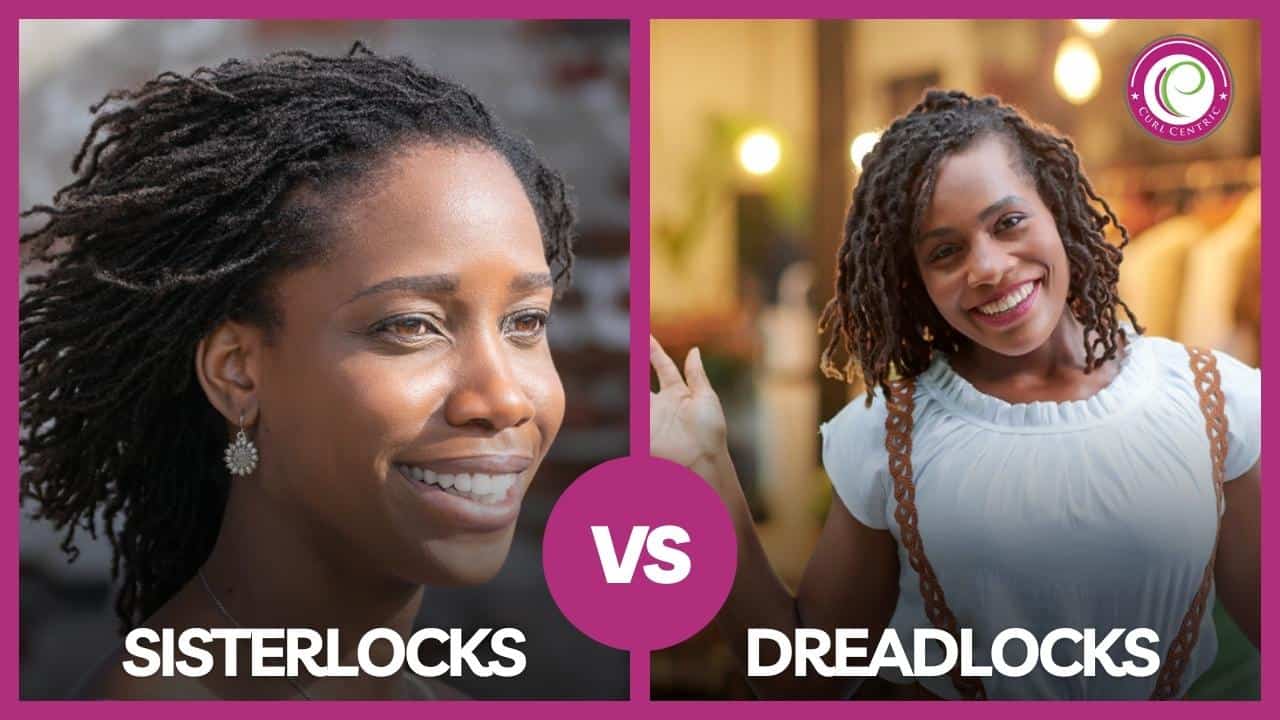
| Attributes | Sisterlocks | Dreadlocks |
|---|---|---|
| Size and Appearance | Small, refined individual locs | Thicker, more rugged rope-like appearance |
| Installation Process | Certified consultant and special tool required | Use DIY or professional methods; no patented interlocking tool is required |
| Maintenance | Requires regular professional maintenance appointments | Generally lower maintenance |
| Cost | Higher installation and maintenance costs | More cost-effective |
| Styling Versatility | Highly versatile due to small size | Limited styles due to thicker size |
Sisterlocks vs Microlocs

| Attributes | Sisterlocks | Microlocs |
|---|---|---|
| Size and Appearance | Very small, uniform, and refined locks | Small but generally thicker than Sisterlocks |
| Installation Process | Requires a certified consultant and a special tool | Can be done professionally or DIY with simpler tools |
| Maintenance | Regular maintenance by hair care professional | Generally less frequent maintenance |
| Cost | Higher initial and maintenance costs | More cost-effective overall |
| Styling Versatility | Highly versatile due to small size | Versatile, but slightly limited compared to Sisterlocks |
Frequently Asked Questions
If you're thinking about getting Sisterlocks, we know you might have lots of questions. We made a FAQ section to help you through this transformative journey. It will make things easier and give you more confidence.
Are Sisterlocks Good for Your Hair?
Sisterlocks can be good for your hair when installed and maintained correctly. They allow natural hair to be styled without chemicals, promoting hair health and growth. Sisterlocks do not cause breakage or thinning when cared for correctly.
However, it's crucial to ensure regular maintenance to prevent thinning and breakage. To avoid damage, seek advice from a certified Sisterlocks consultant. These consultants can help with installation and maintenance.
Can Sisterlocks Damage Your Hair?
Sisterlocks can potentially damage hair if not installed or maintained properly. The tight braiding and locking process can strain the hair and scalp if done too tightly, leading to breakage and thinning.
It is important to seek an experienced Sisterlocks consultant to minimize the risk of damage. Avoid heat/chemical treatments, and use deep conditioning regularly.
How Long Does It Take to Do Sisterlocks?
Installing Sisterlocks can take 8 to 24 hours or more, depending on the length and thickness of your hair. Mid-length hair typically requires 8-12 hours. Longer hair can take up to 24 hours or more to complete. Sisterlocks are time-consuming because of the method used to create these miniature-sized locks. It's advised to come prepared for long sitting hours during the installation.
How Long Does It Take Sisterlocks to Settle?
It typically takes 2-12 months for Sisterlocks to settle into their mature, fully-locked state. This timeline can vary depending on hair type, the density of the locks, and the proper maintenance of the locks. During this settling period, they may appear bulky or frizzy and require more frequent retightening. Once settled, they'll have a more defined and uniform appearance.
What's the Difference Between Sisterlocks and Microlocs?
Sisterlocks and Microlocs are both methods of locking natural hair, but they differ in locking technique, size, maintenance, and suitability. Sisterlocks use a specialized tool for small, uniform locks and need frequent retightening.
Meanwhile, Microlocs use twisting or braiding. They're thicker and lower maintenance than Sisterlocks. The best choice depends on hair type and personal preference, so consult a professional for advice.
How Much Does It Cost to Get Sisterlocks Installed?
The cost of installing Sisterlocks can vary widely, but for a full head, it ranges from $500 to $800 or more on average. Factors include location, consultant's experience, and hair length and thickness. It's important to note that this is a one-time cost, and maintenance costs are generally lower than other hair extensions or weaves.
Are Sisterlocks High Maintenance?
Sisterlocks are low maintenance once they are settled, but during the first 1-12 months, the locks may require frequent retightening to maintain their shape and definition.
Afterward, the locks must be retightened every 6-10 weeks. Proper care and maintenance, like deep conditioning and avoiding excessive heat/chemical treatments, are important to keep the locks healthy and defined.
Are Sisterlocks Permanent?
No. They're built to last for years, but they can come out. The locking process creates a tight pattern that's hard to reverse, so most people who want to remove them cut their locs off; combing a single loc out can take an hour or more. Treat your Sisterlocks as a long-term commitment rather than a style you can undo in an afternoon.
Can Sisterlocks Be Undone?
Sisterlocks can be undone, but it is a time-consuming and potentially damaging process. The removal typically involves cutting the locks close to the scalp or carefully unraveling them. This can result in significant hair loss and damage to the hair and scalp, so seek the advice of a trained and experienced professional before attempting to remove the locks.
How Do You Keep Sisterlocks Moisturized?
Follow proper care instructions to keep Sisterlocks moisturized. Regular deep conditioning treatments help to nourish and hydrate while avoiding heat and chemicals, preventing dryness and breakage.
Sleeping on a satin or silk pillowcase reduces friction, and a water-based moisturizer hydrates the hair to keep it soft and defined. Consult with a trained Sisterlocks professional for personalized advice.
Are Microlocs Cheaper Than Sisterlocks?
Microlocs are generally cheaper than Sisterlocks because the installation process is simpler for the most part, and it takes less time. Additionally, Microlocs require fewer maintenance visits, which keeps costs lower. However, the cost should not be the only factor considered, as the overall health of your hair should also be taken seriously.
What Type of Hair Is Best for Sisterlocks?
Sisterlocks are best suited for curly or coily hair, making it easier to create the locks. This is because the hair texture of curly or coily hair is best suited to create the interlocking pattern necessary for the locks to form and hold their shape. Sisterlocks are typically not recommended for extremely straight or fine hair.
What Is the Average Number of Sisterlocks?
The number of Sisterlocks can differ greatly, but many people get around 250-400 on average. Still, this number can vary drastically based on your desired lock size, hair length, and thickness. A professional can provide guidance on the appropriate number of locks for your hair and desired style.
How Many Sisterlocks Are Normal?
No standard number of Sisterlocks exists for one person because it can range between 250 and 800 locks. Although, most people will end up with 250-400 on average.
It varies greatly depending on your specific hair type and your personal preference. Some people may want just a few large locks, while others may want many smaller ones. Ultimately, "normal" varies from person to person.
What Are the Disadvantages of Sisterlocks?
The disadvantages of Sisterlocks include their high installation and maintenance costs. They also have an initial thin appearance. You'll need patience for the hair to grow and mature into the style.
You’ll spend roughly $1,250 to $2,400 on installation and maintenance in your first year. The locs also start out thin. Some individuals find it challenging to adjust to thin locs. Attaining the desired length and fullness of Sisterlocks requires time and patience.
Related Articles
- Is Rosewater Good for Locs?
- Interlock Dreads vs. Palm Roll
- How to Start Dreadlocks
- Microlocs Size Chart
Sisterlocks Invites Women to Express Self-Empowerment
Sisterlocks, created by Dr. JoAnne Cornwell, is a form of cultural self-expression. Sisterlocks offers women a unique blend of traditional and modern aesthetics. These intricate locks are smaller and more refined. A trained hair professional customizes them for your hair's density and texture.
During your Sisterlocks journey, personalized care helps your locks flourish. The official website has tips for maintaining healthy hair, like using gentle shampoo. Sisterlocks welcomes women to a world where hair begins its natural journey. It celebrates protective styles and individual beauty in every twist and turn.
The sisterlocks hairstyle is a new take on the traditional dreadlocks hairstyle. Sisterlocks are a super cute long-term hairstyle that is smaller in size than most dreads. This article shows you how to start sisterlocks and wear this innovative hairstyle!