
Are you considering washing your hair with Shikakai powder? Natural approaches to hair care, like using Shikakai shampoo, have become popular among beauty and health enthusiasts.
Plain shikakai powder is an inexpensive, plant-based way to wash your hair without sulfates (the strong cleansers in many regular shampoos).
While there is no shortage of natural herbs for skin and hair care, Shikakai has been used to wash the hair and scalp across India for generations.
Shikakai pods are full of saponins, natural plant compounds that foam in water and lift dirt and oil off your hair. That’s what makes shikakai a cleanser, and washing is the main thing it does for your hair.
If you’re wondering whether shikakai is right for your hair, we’ll look at what it can and can’t do. Then we’ll walk you through how to use shikakai powder to wash your hair, step by step, including how much to use, how long to leave it on, and what to do after.

Free 50-page guide
Your hair is already growing. The problem is keeping it.
On average, hair grows a third to half an inch a month, and curlier hair tends to grow more slowly. If your length looks stuck, that’s your hair breaking off as fast as it grows in. Here are the seven causes of breakage and the weekly routine that stops them.
Free. An email every few days for two weeks, then one every Thursday, plus the odd extra. Unsubscribe anytime.
Key Takeaways
- Shikakai Benefits for Hair Health: Shikakai comes from the pods of a climbing shrub. The pods are full of saponins, natural cleaning agents that foam and lift dirt and oil, so shikakai works as a gentle wash for your hair and scalp.
- Gentle, Not a Soap: Shikakai isn’t a soap, so it doesn’t have the high pH (how alkaline something is) that soap has. It cleans without stripping all the natural oil from your hair, but it won’t change gray hair or make your hair grow faster.
- Versatile Usage in Hair Care Routine: Shikakai can be used as a powder you mix into a paste, in a hair mask, or in a bottled shampoo. For most people, the plain powder mixed with warm water is the easiest place to start.
- DIY Shampoo for Enhanced Hair Quality: You can make your own shampoo by mixing shikakai with soap nut (reetha), amla, or green gram (moong). Whichever recipe you choose, it’s still a cleanser, so follow it with conditioner.
- Key to Solving Scalp and Hair Issues: Shikakai washes away excess oil and buildup. It has killed bacteria in lab tests, but it isn’t a treatment for dandruff or head lice, so use a product made for those instead.
What Is Shikakai?
Scientifically, Shikakai is known as Acacia Concinna, and its common name is soap pod. The plant is a thorny climbing shrub native to Asia and has been used in Ayurvedic medicine as a natural cleanser for hair problems. The leaves, bark, and pods contain adequate saponins, giving them cleansing and foaming properties.
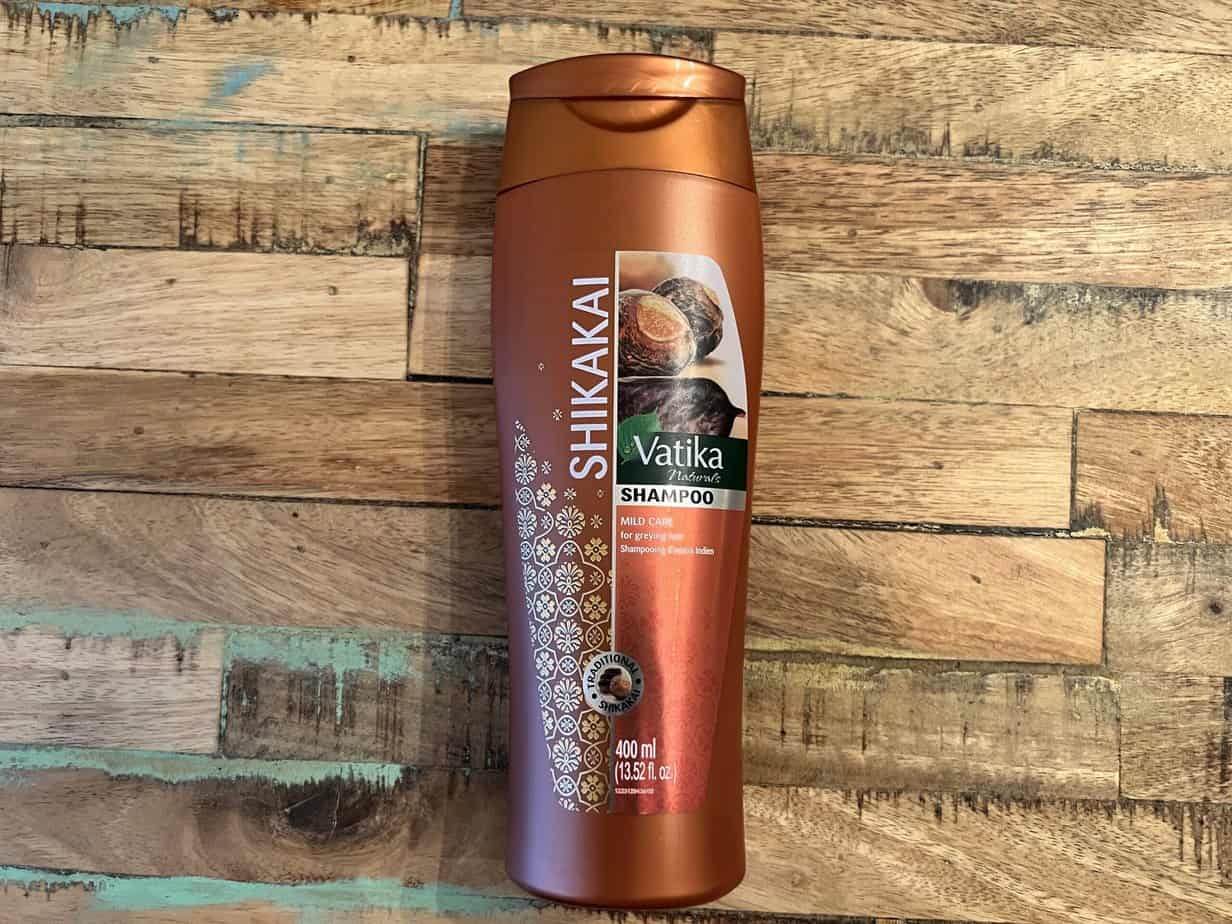
While Shikakai natural shampoo does not lather like commercial sulfate-based shampoos, it cleans the scalp gently, without stripping away all of its natural oils.
For hair care, the Shikakai pods are sun-dried and ground into a powder. Traditionally, Shikakai means "food for hair" because it has been used as a natural shampoo for decades.
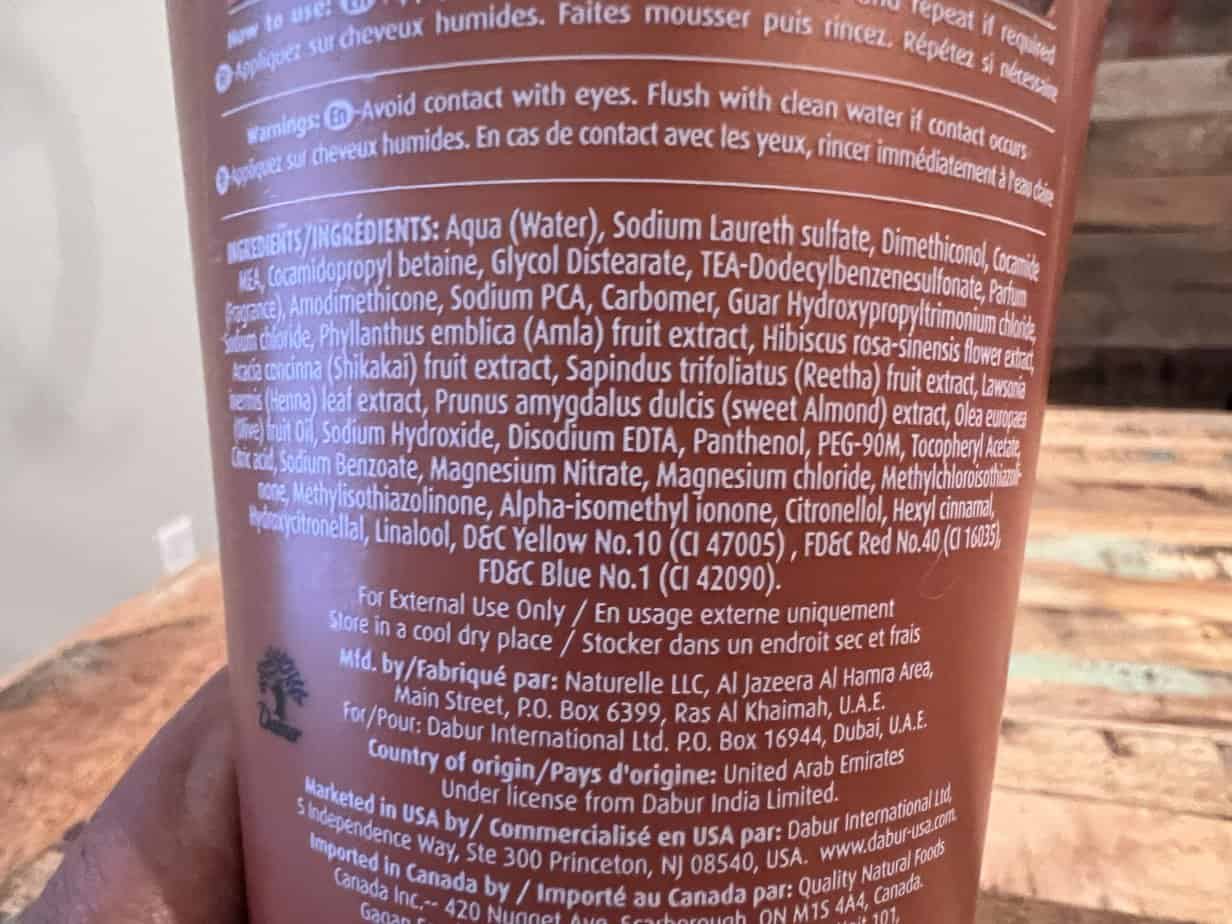
Shikakai shampoo has gentle ingredients and a mild pH (potential hydrogen, a measure of how acidic or alkaline something is), according to a 2023 review of plant-based hair cleansers.
That’s because shikakai isn’t a soap, even though it foams. Soap is made with a strong base called lye, so soap ends up with a pH of 8.5 to 11, well above your skin’s natural pH of about 4 to 6. Shikakai’s saponins come straight from the plant, and no lye is involved.
It won't strip the hair of natural oils like a clarifying shampoo. Even so, follow it with conditioner. Any wash that lifts oil off your hair can leave curls feeling dry and tangly, and the American Academy of Dermatology recommends conditioning all of your hair after you wash it if it’s curly, not just the ends.
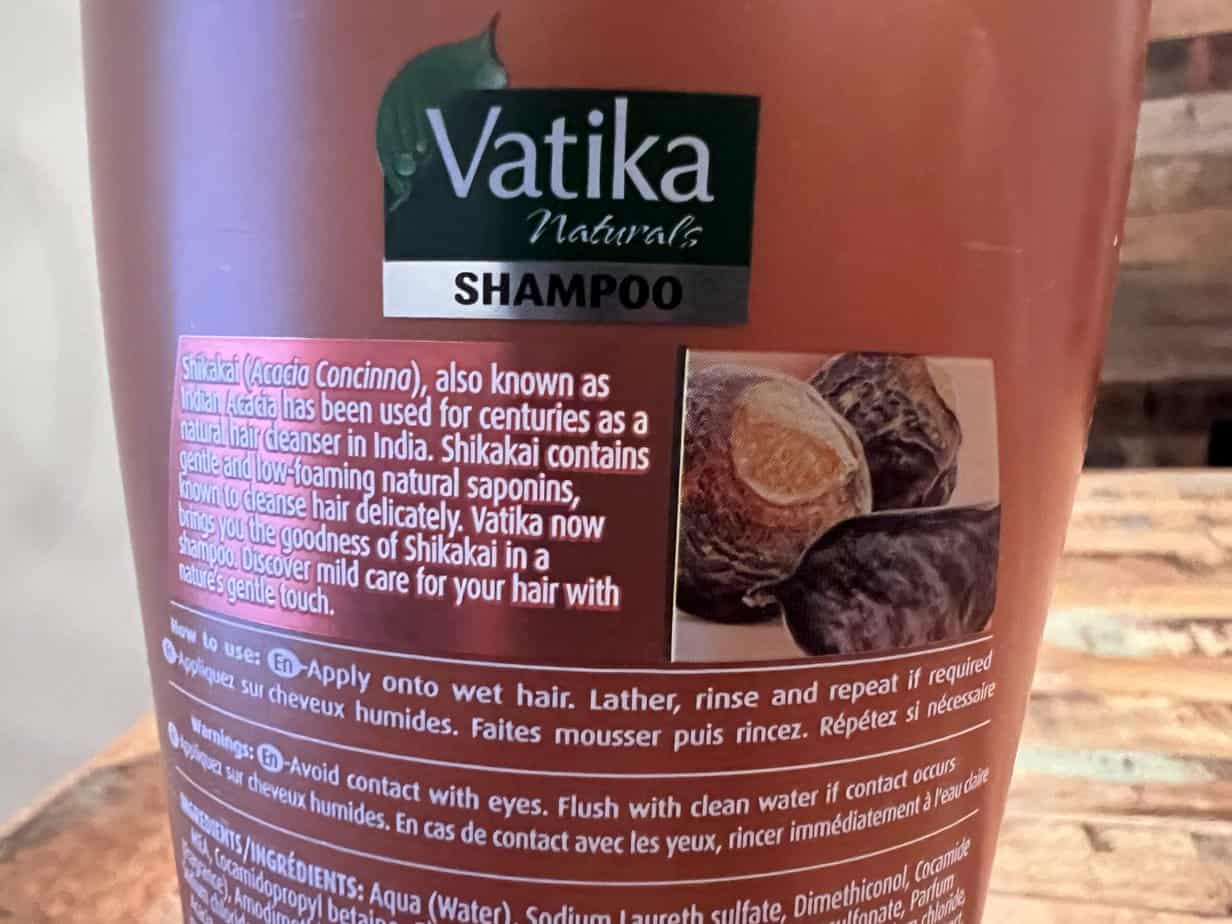
Also, an infusion of the plant’s leaves has traditionally been used in fighting dandruff.
What Does Shikakai Powder Do for Your Hair?
Shikakai powder washes your hair and scalp. Its saponins lift away dirt, sweat, and extra oil the way shampoo does, but more gently than soap. That’s what it does well. The other benefits you’ll hear about, like slowing down premature graying of hair and preventing hair loss (i.e., hair fall), are traditional uses, and we’ll go through what shikakai can and can’t do for each one below.
1. Shikakai Nourishes Hair Follicles and Reduces Hair Fall
Shikakai doesn’t feed your hair follicles or make your hair grow faster. The paste is only on your scalp for a few minutes before you rinse it off, and your hair grows about ⅓ to ½ inch a month, depending on your hair type, no matter which cleanser you use. What shikakai can do is wash your scalp gently, without stripping away all of its natural oil.
Where shikakai can help with hair fall is breakage. Hair that comes out of the wash dry and tangled snaps more easily when you comb it. So detangle while your conditioner is in, not while the shikakai paste is in, because conditioner is what gives your hair slip (helps your strands slide apart).
2. Soothe the Scalp and Prevent Dandruff
Shikakai can help your scalp feel cleaner by washing away the oil, sweat, and flakes that build up between wash days. In lab tests, extracts of the plant also killed several kinds of bacteria and fungi. But shikakai isn’t a dandruff treatment. Dandruff is linked to a yeast called Malassezia that lives on the scalp, and dandruff shampoos are made with ingredients that control it.
If you have flakes that keep coming back, the American Academy of Dermatology recommends a dandruff shampoo with an ingredient like zinc pyrithione, salicylic acid, sulfur, selenium sulfide, ketoconazole, or coal tar. If your hair is curly or coily, use it about once a week, on your scalp only, since those ingredients can dry your hair.
Shikakai won’t treat eczema or a scalp infection either. If your scalp is red, sore, or still flaking after a few weeks of dandruff shampoo, see a board-certified dermatologist.
If your scalp feels dry or tight after washing with shikakai, wash with it less often and try the hair oil tip in the safety section below.
3. Shikakai Prevents Premature Graying of Hair
Shikakai won’t prevent or reverse premature graying. Gray hair starts inside the hair follicle, below your skin, when the cells that give your hair its color slow down or stop. A paste that you rinse off after a few minutes can’t reach them.
If you’re going gray early and it worries you, a board-certified dermatologist can check whether something else is behind it.

4. Prevents Hair Loss and Damage
Shikakai can help with one kind of damage: the dryness and tangles that come from washing with a harsh cleanser. It’s gentler than soap, so your curls may come out of the wash less dry, which means less breakage when you comb them.
But no wash, shikakai included, can repair split ends. Once a hair has split, trimming the split end off is the only fix.
Regular use of Shikakai shampoos cleans away dirt, oil, and product buildup on your scalp without stripping off all of its protective oils. If you’re losing hair in patches or your part is getting wider, that isn’t something a cleanser can fix, so see a board-certified dermatologist.

How to Use Shikakai for Hair Care
There are numerous ways of using Shikakai for hair care, including creating a hair mask or natural shampoo. However, you can combine it with other natural ingredients to make a more effective blend.
The most common method is using it as an all-natural hair-washing powder mixed with water to make a paste that can be applied to the hair and scalp.
How to Wash Your Hair with Shikakai Powder, Step by Step
Here’s how to use plain shikakai powder to wash your hair. You’ll need shikakai powder, a bowl, warm water, a spoon, and your usual conditioner. Mix the paste fresh each time, since a wet paste has no preservative and won’t keep.
Before your first wash, do a patch test. Mix a pinch of powder with a few drops of water, dab it on the inside of your elbow, and rinse it off after 10 minutes. If the spot turns red, itchy, or bumpy over the next two days, don’t put shikakai on your scalp.
- Measure the powder. Start with 2 to 3 tablespoons for short or shoulder-length hair. Use 4 to 5 tablespoons if your hair is long or very thick.
- Mix a runny paste. Stir in warm water a little at a time until the paste is smooth and about as thick as pancake batter. Pour the water in slowly and don’t shake the powder, so you don’t breathe in the dust.
- Wet your hair. Soak your hair and scalp with warm water. If your hair is thick or coily, divide it into four to six sections so you can reach your scalp.
- Massage it into your scalp. Use your fingertips to work the paste into your scalp, one section at a time, for about 5 minutes. Focus on your scalp, not your ends. The paste that runs down when you rinse is enough for your hair strands.
- Keep it out of your eyes. Tip your head back when you rinse. If paste gets in your eyes, rinse them with plenty of cool, clean water.
- Rinse well. Rinse with warm water until the water runs clear and you can’t feel any grit at your roots. Powder takes longer to rinse out than shampoo, so give it a few minutes.
- Condition. Put conditioner on all of your hair, and detangle with your fingers or a wide-tooth comb while it’s in. Then rinse and style as usual.
How often should you wash with shikakai? Start with once a week. If your scalp feels oily before your next wash day, you can wash with it two or three times a week. If your hair or scalp starts to feel dry, go back to once a week.
Expect less lather than you’re used to, and expect to spend longer rinsing. That’s normal.
Judge the results the next day, once your hair is dry. Your scalp should feel clean, not tight or itchy, and your curls shouldn’t look weighed down by oil. If something doesn’t feel right, find it in the chart below.
Original Curl Centric chart
Is this normal after a shikakai wash?
Find the row that matches what you notice after washing with shikakai, then start with the last column. The first two rows are normal. The last two mean stop using it.
| What it means | What you notice | Why it happens | What to do |
|---|---|---|---|
| Normal | Your hair feels a little dry, rough, or tangly before your conditioner goes on. | Shikakai is a cleanser. Like any wash, it lifts oil off your hair, and it has no conditioner in it. | Put conditioner on all of your hair, and detangle while it’s in. |
| Normal | Gritty bits of powder at your roots after you rinse. | Ground pods don’t dissolve in water, so some powder stays behind in your hair. | Rinse for a few more minutes, and mix a thinner paste next time. |
| Too often | Your scalp feels tight or dry, or your ends feel rough, after a few washes. | You’re washing with shikakai more often than your hair needs. | Wash with it once a week, and massage a hair oil into your scalp an hour before. |
| Common | Your eyes sting or water after paste or rinse water runs into them. | The paste got into your eyes while you were washing or rinsing. | Rinse your eyes with plenty of cool, clean water. See a doctor if they’re still red or sore afterward. |
| Not a fix | Flakes that come back a few days after every wash, often with itching. | Dandruff is linked to a yeast called Malassezia, and shikakai isn’t made to control it. | Use a dandruff shampoo about once a week, on your scalp only. See a dermatologist if it doesn’t clear. |
| Stop | An itchy, red, or bumpy rash on your scalp, hairline, or neck where the paste touched. | Your skin may be reacting to shikakai. Its safety on skin hasn’t been fully tested. | Stop using it and wash the area. See a dermatologist if the rash spreads or doesn’t fade in a few days. |
| Stop | Sneezing, coughing, or wheezing while you mix the powder. | Breathing in shikakai dust has caused an allergy in at least one person who worked with it. | Stop using it. Get emergency help if you have trouble breathing. |
Shikakai is a hair wash, not a medicine. If you’re losing hair in patches, or your scalp stays red and sore, see a board-certified dermatologist.
a) Shikakai Cleansing Powder
Shikakai powder is a natural alternative for cleaning your hair, and this blend adds fenugreek, soap nut, basil, curry leaves, and moong (green gram). The powder is a must-have ingredient for beauty enthusiasts since you can add it to regular conditioners, shampoos, or even prepare various hair masks.
Required Ingredients
- 500 g of Shikakai powder
- 250 g of fenugreek seeds
- 100 g of soapnut
- 1 bunch of fresh basil
- 1 bunch of fresh curry leaves
- 250 g of Moong

Preparation Directions
Rinse the basil and curry leaves, then leave all the ingredients in the sun for at least six hours per day over a two-day period. Grind them into a powder and store them in a clean, airtight jar.
In the absence of moisture, the powder can be stored and used for several months.
To wash your hair, put a small portion of Shikakai hair wash powder in a clean bowl and add some water while stirring to get a smooth, uniform paste.
Let the paste sit for at least two hours before using it on your scalp and hair. Alternatively, prepare the mixture in the evening if you want to wash your hair in the morning.
Divide your hair into smaller portions and use your hands to apply the paste to your scalp and hair. Massage the scalp for at least 5 minutes to clean it, then rinse off the paste with clean water until no grit is left, and follow with conditioner.
b) Growth Enhancing Shikakai Shampoo with a Blend of Amla and Reetha
Shikakai is an inexpensive substitute for commercial shampoos.
Combining Shikakai with effective hair care ingredients like Amla (Indian gooseberry) and Reetha (Sapindus mukorossi, or soap nut) results in a natural shampoo with more lather, since reetha has saponins of its own.
Amla has some research behind it, though not as a shampoo. In a 12-week trial, women with female pattern hair loss who drank an amla syrup three times a day had more hairs in the growing (anagen) phase than women who took a placebo. That was amla taken by mouth, so don’t expect the same from amla you rinse out of your hair.
Reetha adds to the shampoo’s ability to lift dirt and oil buildup off the scalp.
Ingredients
- 10 g of Shikakai pods or powder
- 5 g of Amla
- 10 g of Reetha
- 750 ml of water

Preparation Directions and Use
In a clean bowl, mix all the ingredients, add the water, and let them soak for 12 hours. Alternatively, you can allow the ingredients to soak in water overnight. Boil the soaked ingredients until the pods are soft and tender.
Turn down the heat and let them cool, then mash all ingredients to extract beneficial components. Using a strainer or piece of cotton cloth, strain the liquid into a clean bottle. This shampoo is mostly water and has no preservative, so use it the day you make it and pour out what’s left. If 750 ml is more than you need, halve the recipe.
To use the shampoo, wet your hair with warm water and apply the Shikakai solution as you would a regular shampoo. It's important to note that Shikakai shampoos will not lather as much as traditional shampoo, so you might need to apply it twice before it lathers.
Once you see a small amount of lather, rinse with water until it runs clear, then condition. Use the shampoo once a week to start, and up to 2 or 3 times a week if your scalp stays comfortable.
c) Shikakai Mask for Healthy Hair
Loaded with several Ayurvedic ingredients and egg proteins, this is among the most nourishing natural hair masks for enhanced hair health. It's also one of our favorites for women with curly hair.
Ingredients
- 2 teaspoons of Shikakai powder
- 2 teaspoons of Triphala powder
- 2 teaspoons of Amla powder
- 2 teaspoons of Brahmi powder
- 2 teaspoons of fenugreek powder
- 2 whole eggs
- Shower cap

Preparation Directions and Usage
In a bowl, mix all the ingredients and whisk continuously to get a smooth, even mixture. Mix it right before you use it and throw out any leftovers, since raw egg spoils quickly. To use the hair mask, divide your hair into smaller portions and use your fingers to apply the paste onto the scalp, and work your way to the ends of your hair strands.
Once you have your entire head covered in the paste, put on the shower cap and leave the paste on your hair for at least 40 minutes.
Rinse off the paste with cold water and natural shampoo and follow up with a regular conditioner. For best results, use the hair mask once per week and avoid rinsing your hair with hot water to avoid "cooking" the egg.
d) Shikakai Cleanser and Honey for Soft and Shiny Hair
Regular use of this natural shampoo can add shine to your hair. And if you've been struggling with dry hair, this blend can be an excellent replacement for regular commercial shampoo.
Honey is a good hair conditioner that can improve luster and texture, leaving your hair softer and shinier.
Ingredients
- 1 tablespoon of Shikakai powder
- 1 teaspoon of olive oil
- 2 tablespoons of honey
- 1 cup of distilled water

Preparation Directions and Use
In a small pot, pour in the distilled water and heat to a boil, then add the olive oil and Shikakai powder. Cover the bowl with a lid and let the mixture boil for at least 15 minutes.
Turn down the heat and strain the liquid, then add the honey. Let it cool down to room temperature. Use it the same day, since this cleanser has no preservative and won’t keep.
If you want to make an exfoliating rinse, skip the straining step and instead add the honey directly to the boiling mixture. However, this may not be a good option for people with dry or curly hair.
To use the Shikakai solution, pour it over your hair and massage thoroughly into the scalp and hair for at least five minutes, then rinse with water. It can be used after shampooing your hair, or you can use it in place of a shampoo.
e) Anti-Dandruff Shikakai Mask for Dry Hair
This hair mask combines several natural ingredients like fenugreek, yogurt, and neem to help soothe the scalp and combat hair problems like flaking and stubborn dandruff.
Neem is the ingredient with the most evidence here. In a small 2025 study, college students who put a neem leaf paste on their scalps had much less dandruff after two weeks than students who didn’t.
This mask is still a home remedy, not a dandruff shampoo. If your flakes haven’t improved after a few weeks, switch to a dandruff shampoo (see the section on soothing the scalp above).
Ingredients
- 2 tablespoons of Shikakai powder
- ½ cup of yogurt
- 1 tablespoon of neem powder
- 1 tablespoon of fenugreek powder
- 2 drops of Vitamin E oil

Preparation Directions and Use
In a clean bowl, add yogurt and mix with the Shikakai powder, fenugreek powder, and neem powder. Whisk the ingredients continuously until you get a smooth blend, and ensure there are no lumps in the thick paste.
If handy at the moment of preparation, add vitamin E oil to enhance the protective properties of the hair mask. To use the paste, divide your hair into manageable portions and use your palm to apply the mask onto the scalp and hair roots, working down to the hair ends.
After the entire scalp and hair are covered with the paste, put on a shower cap and wait for at least 20 minutes. Rinse off the mask with water and a mild organic shampoo. Make this mask fresh each time, since yogurt spoils at room temperature.
Amla Aritha Shikakai Shampoo
Amla, aritha (another name for reetha, or soap nut), and shikakai are the classic trio for washing hair with powders. To use them together, mix 2 parts shikakai, 1 part amla, and 2 parts aritha powder, the same ratio as the amla and reetha shampoo above. Then follow the same steps as a plain shikakai wash: make a runny paste with warm water, massage it into your scalp, rinse until the water runs clear, and condition.
Is Shikakai Safe for Hair Care?
Shikakai is a gentle cleanser, but it isn’t risk-free, and it can dry out your hair if you use it too often. In 2005, the U.S. expert panel that reviews cosmetic ingredients said there wasn’t enough data to show that shikakai fruit extract is safe in cosmetics, and it asked for skin allergy testing. Shikakai powder has also caused a breathing allergy in at least one person who worked with it.
So mix the powder gently so you don’t breathe in the dust, and stop using it if your skin or breathing reacts. Before your first wash, do the patch test from the steps above.
Also, if you are just starting to use Shikakai powder wash, you might experience mild dryness if you wash your hair multiple times a week.
Use a Hair Oil to Prevent Dryness
To prevent dryness, massage your scalp with your favorite herbal oil (e.g., coconut oil, argan oil, castor oil) one hour before using Shikakai powder.
Because Shikakai is a mild cleansing agent, it doesn’t rob your hair of all its protective natural oils. But mild doesn’t mean you can use it every day without a problem. Watch how your hair feels, and if your scalp gets tight or your ends feel dry, cut back to once a week.
Shikakai isn’t better than a gentle store-bought shampoo, just different. Store-bought shampoos use synthetic cleansers with a pH close to your skin’s, so a gentle one is a good choice too. If you like mixing your own and your hair responds well, shikakai is worth keeping in your routine.
Do a patch test before your first wash (see the steps above), even if you’ve used other herbal powders before. That’s because people have different hair types and skin, and what works for most people may not be the best for everyone. Stop using shikakai and see a doctor if you get a rash that spreads or doesn’t fade within a few days. If your face swells or you have trouble breathing, get emergency help right away.
Related Articles
- Triphala Powder Benefits for Hair Growth
- How To Prepare Chebe Powder for Hair Growth
- Is Hair Volume Powder Safe?
- Can You Put Activated Charcoal in Your Hair?
Trying to grow shiny, healthy hair can be daunting, especially if you are already struggling with various hair-related problems.
Some hair products promise overnight results, but no product, natural or store-bought, can grow your hair overnight.
Shikakai has been used for hair care for a long time, and it works for many people as a gentle wash. If you want a plant-based way to clean your hair and scalp, Shikakai can be an excellent choice for natural hair care.
To get started, try the plain powder wash in the step-by-step section above, follow it with conditioner, and give it two or three wash days before you decide. If you’d rather not mix your own, look for a shampoo that includes shikakai, and read the label first, since some also contain sulfates.