
Low porosity hair is known to be one of the hardest hair types to care for. It has tightly packed cuticles, which makes it difficult to get moisture into the inner layers of the hair.
As a result, many people with low porosity hair struggle with split ends and breakage from lack of moisture. Oil can help your hair feel softer and reduce friction, but it doesn’t add water. Start with water or a water-based leave-in, then use a small amount of oil if it helps your hair hold on to moisture.
In this article, we'll reveal some of the top low porosity hair oils and what makes them great, and we’ll help you choose the right oil for your low porosity strands. Let's get right into it!
The Best Oils for Low Porosity Hair
The best oils for low porosity hair are usually lightweight options that won’t leave your strands feeling coated or weighed down. Argan, camellia, sweet almond, grapeseed, and apricot kernel oil are popular choices. In a 2024 lab study, the specific triglyceride plant oils tested (fat-based oils, like most cooking oils), including camellia, coconut, and safflower oil, entered the hair strands. Oils made with shorter or more unsaturated triglycerides generally penetrated more readily. Jojoba oil is a favorite, too, even though it’s technically a liquid wax.

Low porosity hair has a tendency to repel moisture, making it challenging to keep it healthy and hydrated. However, using the right oils can help revitalize your hair and give it the nourishment it needs. Oils are one piece of it, and the rest of the low porosity routine matters just as much.
Free 50-page guide
Your hair is already growing. The problem is keeping it.
On average, hair grows a third to half an inch a month, and curlier hair tends to grow more slowly. If your length looks stuck, that’s your hair breaking off as fast as it grows in. Here are the seven causes of breakage and the weekly routine that stops them.
Free. One email a week after that. Unsubscribe anytime.
When you shop for low porosity hair oils, the label won’t tell you which ones have been tested on hair, so we put that in the table below. "Lab" means hair strands tested in a lab, not people.
At a glance
Low porosity hair oils compared
What each oil is, whether it’s been tested on hair, and what to know before you buy it. Each name links to the section on this page or to our full guide.
| Oil | What it is | Tested on hair? | Good to know |
|---|---|---|---|
| Jojoba oil | A liquid wax, about 98% wax | The cited penetration studies tested triglyceride oils, not jojoba wax. | Light, so it’s a good finishing oil over your leave-in. |
| Argan oil | Plant oil | Yes, in a lab. Hair pretreated with argan oil lost less protein after oxidative chemical damage. | Not a heat protectant, despite its high smoke point. |
| Camellia oil | Plant oil | Yes, in a lab. It soaked in and made strands harder to break. | Harder to find in stores. |
| Sweet almond oil | Plant oil | We didn’t find a study testing it on hair. | Skip it if you’re allergic to tree nuts. |
| Grapeseed oil | Plant oil | We didn’t find a study testing it on hair. | Lightweight, so a little goes a long way. |
| Apricot kernel oil | Plant oil | We didn’t find a study testing it on hair. | Patch test it first, like any new oil. |
| Baobab oil | Plant oil | We didn’t find a study testing it on hair. | It won’t fix a vitamin deficiency. |
| Pomegranate oil | Plant oil | We didn’t find a study testing it on hair. | Easier to find online than in stores. |
| Coconut oil | Plant oil, solid when cool | Yes, in a lab. It penetrated hair and reduced protein loss in damaged and undamaged strands. | Some people find it leaves their hair stiff. |
| Mineral oil | Made from petroleum | Evidence on penetration is mixed. In the 2003 study, it didn’t reduce protein loss. | It can leave a surface coating and may build up if you use too much. |
Sources: Marsh et al. 2024, Rele and Mohile 2003, Sharifi et al. 2022, and Gad et al. 2021. The studies tested specific oils, so we don’t assume every plant oil behaves the same way.
Jojoba Oil for Low Porosity Hair
If you've spent any time on natural hair blogs or watching natural hair care videos, chances are you've heard of jojoba oil. It's a liquid extracted from jojoba plant seeds.
This "oil" is unique in that it is not technically an oil. Rather, it's a plant wax liquid.
For a long time, the oil was used to heal a wide variety of bodily ailments, most of which concerned skin. But today, in addition to treating skin issues, the oil is used regularly on the thirstiest low porosity strands.
The reason why jojoba oil is suited to low porosity hair is that it is lightweight. It spreads thinly, so it won’t weigh your strands down. It’s about 98% wax, though, so the lab studies that show plant oils soaking into hair don’t cover it. Use it as a light finishing oil over your leave-in.
Moisture isn't the only thing that jojoba oil blesses your strands with. The oil contains omega-6 fatty acids and vitamins A, C, and E, which help support hair and scalp health.

Pros and Cons of Jojoba Oil
Considering the pros and cons of jojoba oil can help you decide whether you should add this oil to your hair product rotation:
Pros
- Light enough for all hair types, including low porosity hair.
- Helps hair repel water, based on a lab test of a conditioner with jojoba oil.
- Spreads thinly, so a few drops go a long way.
Cons
- Risk of allergic reactions, which could bring about itchy rashes, red bumps, and more.
- Claims that the oil reduces hair loss or stimulates hair growth remain largely unproven.
Argan Oil for Low Porosity Hair
Argan oil is synonymous with luxury and is regularly used to pamper low porosity hair. It comes from the argan tree, which grows mainly in Morocco.
People with low porosity hair often like argan oil because it’s lightweight. It has some lab evidence behind it, too. In a 2022 study, hair pretreated with argan oil lost less protein after oxidative chemical damage, the kind of damage bleach and permanent dye cause.
Argan oil isn’t a heat protectant, though. Its high smoke point just means it won’t smoke until it gets very hot.
That isn’t the same as protecting your strands from a flat iron. If you regularly straighten or otherwise heat-style your hair, use a product made to protect hair from heat.

Pros and Cons of Argan Oil
Argan oil is a great all-around option for most people, but it's not right for everyone. Here are some pros and cons to help you decide whether it's a good match for you and your hair.
Pros
- May reduce protein loss from oxidative chemical damage.
- Lightweight enough to use often on low porosity hair.
- Provides enhanced hair smoothness and shine.
Cons
- High cost in comparison to most other oils, which only applies to the cost of genuine argan oil.
- Inauthentic argan oil has saturated the market. When you're not using genuine oil, your risk of unwanted skin and hair problems increase.
Jojoba Oil vs. Argan Oil for Low Porosity Hair
Jojoba oil and argan oil are both lightweight enough for low porosity hair, so either one is a safe choice. The difference is what each one is and what it has been tested for.
Jojoba oil isn't technically an oil. It's a liquid wax (i.e., about 98% wax) that spreads thinly over your hair strands. The lab studies that show plant oils soaking into hair didn't test it, so think of jojoba as a light finishing oil on top of your leave-in.
Jojoba has been tested on hair in a lab, but only as an ingredient in a conditioner. In a 2026 study on bleached and dyed hair strands, a conditioner with jojoba oil helped the strands repel water, but it didn't change how shiny they were. Also, it was the only conditioner tested that didn't make the hair significantly easier to comb.
Argan oil is a plant oil, and it has been tested on hair in a lab on its own. In the 2022 study above, hair strands treated with argan oil lost less of their protein after the kind of damage bleach and permanent dye cause. That was hair in a lab, not people.
Argan oil usually costs more than jojoba oil, and fake argan oil is common, so buy it from a brand you trust. Fake oil raises your risk of skin and hair problems.
So which one should you pick?
- If you bleach or color your hair, we'd reach for argan oil first, since argan oil on its own helped hair hold on to protein after that kind of damage.
- If your hair isn't colored and you just want a light finishing oil, jojoba oil does that well for less money.
Whichever one you choose, use a few drops on damp hair after your water-based leave-in. If your hair feels coated or greasy the next morning, use fewer drops next wash day.
Sweet Almond Oil for Low Porosity Hair
Sweet almond oil (which obviously comes from almonds) isn't the most popular oil used in the natural hair community, but there's no denying that it carries some substantial benefits for low porosity hair.
The first thing to know about sweet almond oil is that it’s lightweight and spreads easily. We didn’t find a study testing how well sweet almond oil penetrates hair, though.
It can still help coat your strands, reduce friction, and make dry ends feel softer. Use a few drops so your low porosity hair doesn’t feel greasy.
If you've had an issue with oils leaving your hair looking like an oil slick, you'll be glad to know you won't have that issue with sweet almond oil, as it's known to be non-greasy.
The benefits of sweet almond oil aren't limited to your hair. It’s a gentle oil to massage into a dry scalp, too. If your scalp is itchy or flaky, though, that’s worth treating on its own, because an oil won’t clear dandruff.

Pros and Cons of Sweet Almond Oil
After hearing about the goodness associated with sweet almond oil, you're probably wondering whether anything could be wrong with it. Like with everything else, there are both good and bad when it comes to sweet almond oil, and we'll highlight both in the below list of pros and cons.
Pros
- Lightweight and easy to spread in small amounts.
- Promotes softer, more beautiful hair that doesn't look slick or greasy.
- Gentle enough to use on your scalp during a scalp massage.
Cons
- Environmental impact of growing almonds for oil extraction. Just one almond kernel requires multiple gallons of water to grow.
- Elevated risk of allergic reactions. Almonds are one of the most well-known allergens.
Baobab Oil for Low Porosity Hair
Anyone looking for a good oil for low porosity hair should consider baobab oil, which is derived from the African Baobab seed. It's commonly used as an all-purpose hair miracle in Africa and, more recently, in the United States.
If you’re wondering why baobab oil may work well for low porosity hair, it’s a lightweight plant oil that can soften your strands without a heavy feel. We didn’t find a study testing how well baobab oil penetrates hair, though.
Like most plant oils, baobab oil contains omega fatty acids and some vitamin E. Putting it on your hair won’t fix a vitamin deficiency, though. If you’re dealing with hair loss and think a deficiency is behind it, ask your doctor for a blood test.

Pros and Cons of Baobab Oil
Having baobab oil on hand may seem like a no-brainer after reading the previous section, but it's not a perfect oil by any means. Read the following pros and cons to see what we mean:
Pros
- Lightweight, so it’s less likely to weigh down your strands when used sparingly.
- Can leave hair softer and shinier.
- Can soften dry, hard-to-manage strands.
Cons
- We didn’t find a study testing baobab oil on hair, so claims about penetration and strength aren’t confirmed.
Grapeseed Oil for Low Porosity Hair
Grapeseed oil is lightweight and spreads easily. We didn’t find a study testing how well grapeseed oil penetrates hair, so start with a small amount and judge it by how your hair feels.
For a long time, people had no idea how amazing this oil was for low porosity hair. But as of late, more and more folks have opened their eyes to the oil's magic.
To make things even better, the oil leaves your hair with a natural, luminous shine. You can apply as much as you need without fearing your hair will become shine city!
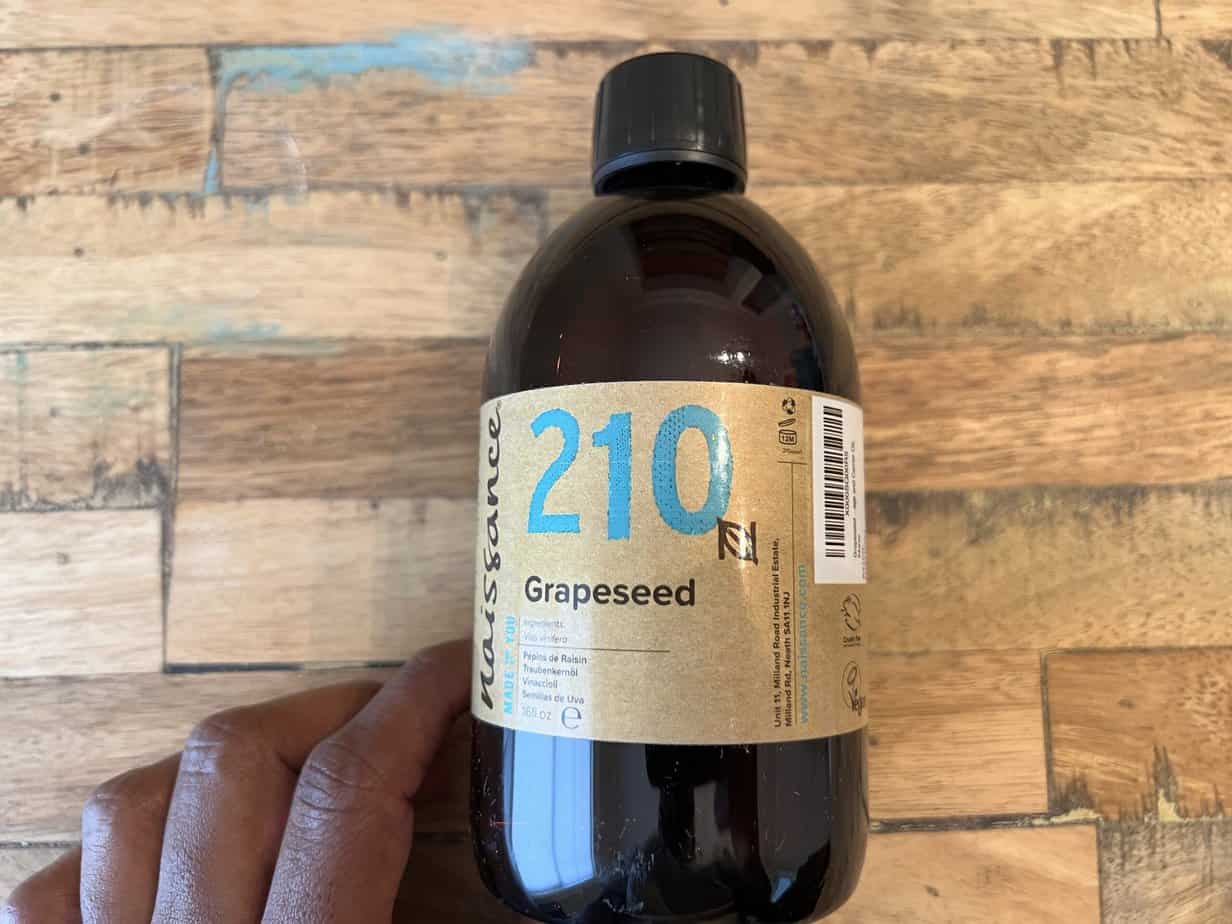
Kira recently tried using 100% natural, refined grapeseed oil on her hair, and she was impressed with its hypoallergenic properties, making it suitable for her sensitive skin also. This vegan-friendly oil left her hair feeling soft and smooth and became an effective moisturizer quickly absorbed by her skin.
Pros and Cons of Grapeseed Oil
Grapeseed oil is known to be incredibly beneficial for low porosity hair. But it's not without its faults. Here are some benefits and drawbacks associated with grapeseed oil:
Pros
- Provides better-conditioned hair that takes on a beautiful sheen.
- May make hair easier to manage, which can help reduce breakage during styling.
- Lightweight composition.
Cons
- Research is lacking surrounding whether grapeseed oil can promote hair growth.
Camellia Oil
Chances are you haven't heard of this oil before, as it's one of the newer ones on the scene. Camellia oil is pressed from the seeds of camellia plants, and it’s one of the few oils here that has been tested on hair. In a 2024 lab study, camellia oil soaked into hair and made strands harder to break.
It’s a fantastic hair oil that leaves your low porosity strands softer, stronger, and less vulnerable to frizz. The oil is also lightweight, which means it's more likely to soak into your hair than build up on the outside of it.

Pros and Cons of Camellia Oil
Camellia oil has the potential to change your low porosity hair for the better, but that doesn't mean that the oil is perfect. Keep reading for some pros and cons to be aware of!
Pros
- Results in stronger hair and less breakage from routine styling and maintenance.
- Has a featherweight composition and readily soaks into low porosity strands.
- Non-greasy feel and appearance on the hair.
Cons
- Not as well known or available as some of the other oils on this list and may be difficult to find in your area.
Pomegranate Oil
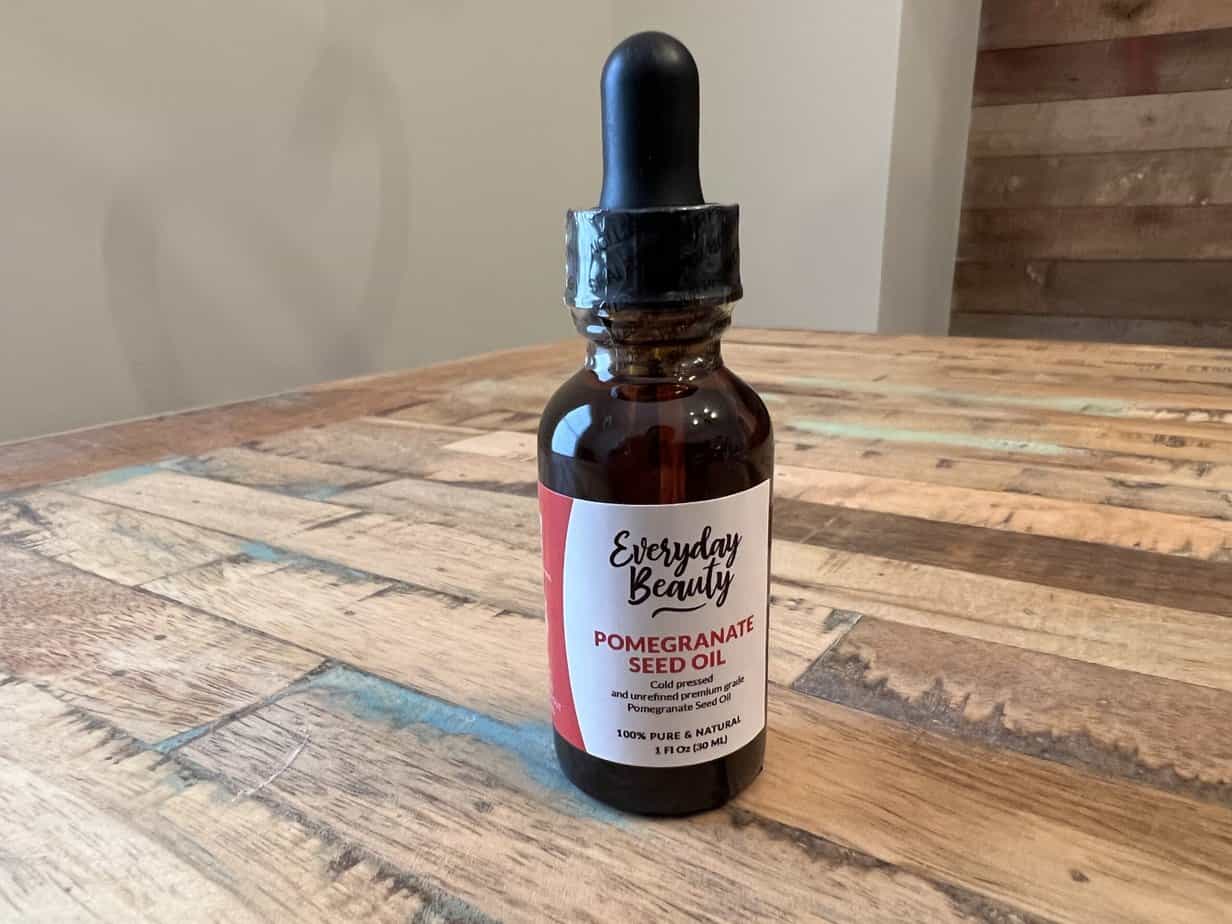
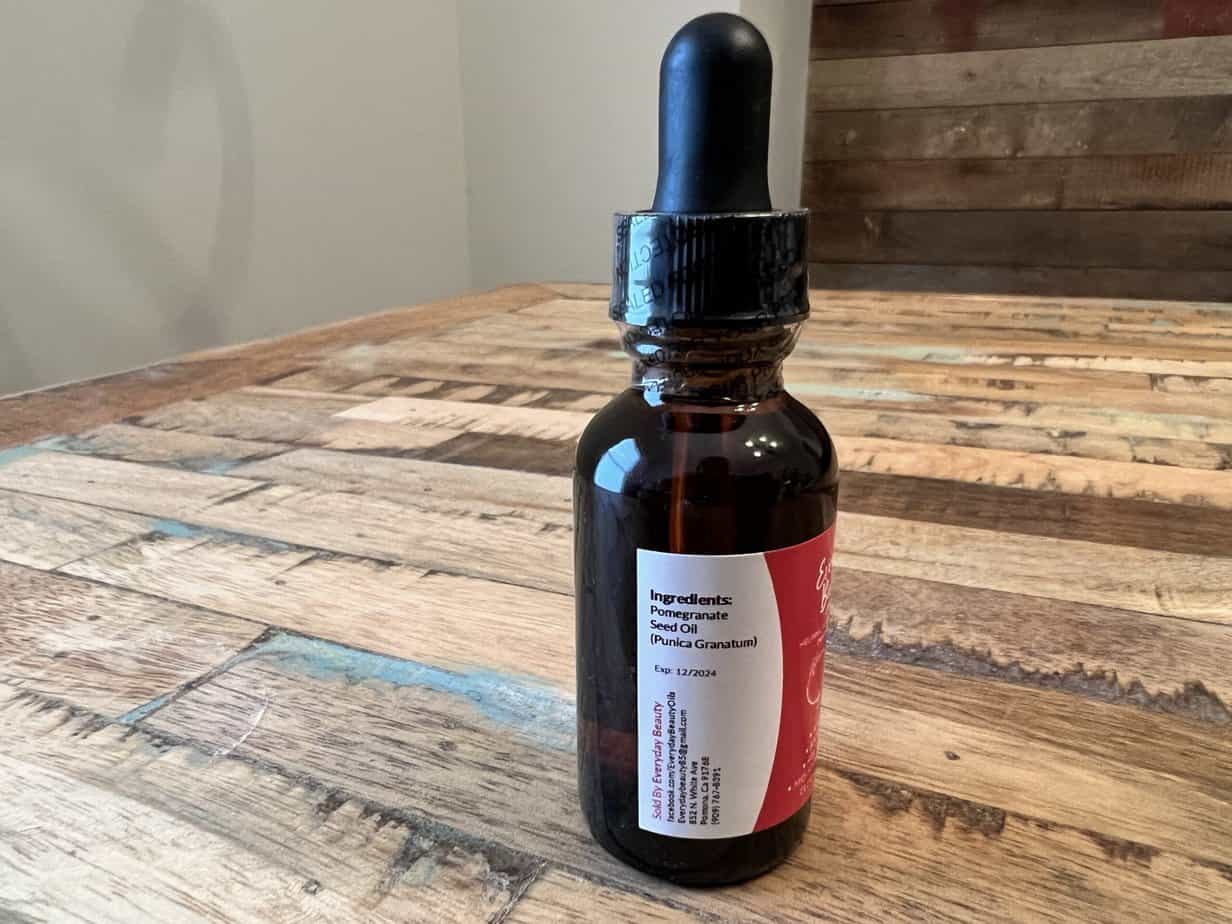
Pomegranate oil is among the absolute best oils for low porosity hair. It comes from the same pomegranates that end up on your breakfast table! The oil is composed of linoleic acid, oleic acid, and other fatty acids.
Pomegranate oil may work well for low porosity hair because it’s lightweight. That can make it easier to use sparingly without leaving your strands feeling coated or greasy.
Note: Some believe that using pomegranate oil will result in an explosion of hair growth, but we urge you to hold onto your hat.
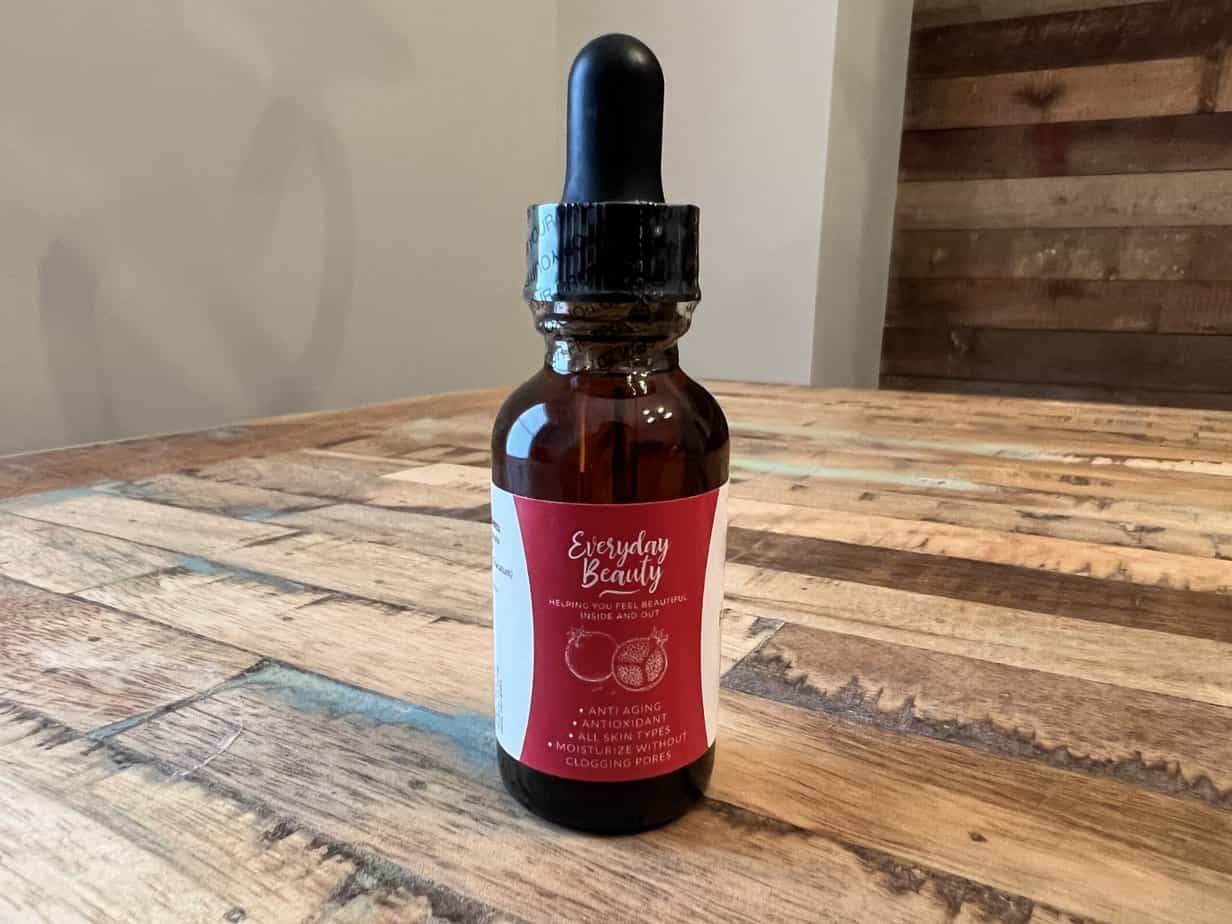
Your genes (among other things) determine your max hair growth rate. Pomegranate oil cannot change your hair growth rate. It may make your hair easier to manage, though, which can help you hold on to the length you have.

Pros and Cons of Pomegranate Oil
After reading the information above, you might be itching to add pomegranate oil to your regimen, but we advise you to pump your brakes. Read the pros and cons below before making your decision:
Pros
- Lightweight feel that may suit low porosity hair.
- Can help hair feel smoother and easier to manage.
- Leaves hair soft without a greasy feel.
Cons
- Can be difficult to find in stores, though you shouldn't have much issue finding the oil online.
Apricot Oil
Few oils are as good for low porosity hair as apricot oil. This oil, which comes from apricot pits or kernels, can leave dry hair softer and easier to manage.
If you're asking yourself how that could be possible, the answer is that it’s a light oil that won’t weigh your strands down.
Apricot oil contains several essential fatty acids and vitamin E. With regular use, it may make your hair look shinier and feel smoother, but remember that oil doesn’t add water to your hair.
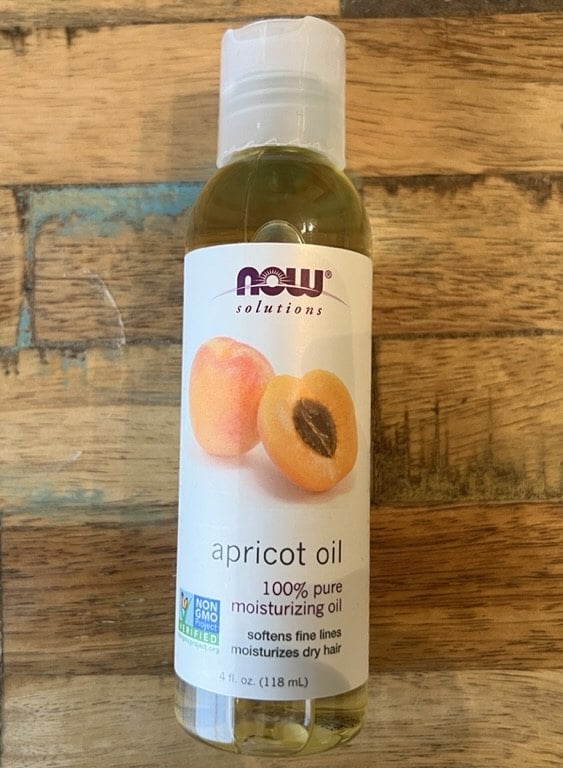
More and more people are trying apricot oil to get the benefits we've outlined here. We say it's a good idea to give it a try!

Pros and Cons of Apricot Oil
Apricot oil just might be the oil you never knew your low porosity hair needed, but don't make your decision before checking out the pros and cons below. They'll give you a well-rounded look at this oil.
Pros
- Can help hair feel softer and look shinier.
- A good pick if heavier oils leave your hair limp.
- Gentle on a dry scalp, though it won’t clear dandruff on its own.
Cons
- Like any new oil, it can cause a skin reaction, so patch test it first.
Heavier Oils to Use Sparingly on Low Porosity Hair
Hair oils are often described as penetrating or coating, but the evidence depends on the oil and the test used. Studies have consistently shown that coconut oil enters the hair shaft, while findings for mineral oil are mixed.
Castor oil is thick and may feel heavy on low porosity hair. Olive and avocado oils can also weigh down fine strands. That doesn’t make them bad oils. Start with a few drops and let how your hair feels guide you.
If your hair feels coated, greasy, or stiff the next day, you may be using too much oil or dealing with buildup. Use less oil and clarify if your regular shampoo doesn’t remove the coating.
Coconut oil can enter the hair shaft and reduce protein loss, but some people find that it leaves their hair feeling stiff. Use it lightly, or skip it if your hair doesn’t respond well to it.
How to Use Oil on Low Porosity Hair
It's not enough to know which oils are best for low porosity hair. How you use the oil has a monumental impact on whether you'll get all the benefits from it. In this section, we'd like to give you a few tips to help you get the most out of the oil you choose:

Apply the Oil to Damp Hair
Low porosity hair can get weighed down by too much product. Start with a few drops of oil and add more only if your hair needs it.
To help the process along, apply your oil while your hair is still damp, after your leave-in, and work it through in sections so a little oil reaches every strand.
Heat up the Oil Before Application
In one lab study, gentle heat appeared to help coconut and sunflower oils absorb faster. If you want to warm your oil, place the closed container in warm water for a few minutes. Don’t microwave the oil, since microwaving can create hot spots.

Test the oil before applying it, as putting steaming hot oil on your hair can be more damaging than anything else.
Sit Under a Hooded Dryer
After applying oil to your damp hair or mixing a little into your deep conditioner, put on a plastic cap and sit under a hooded dryer for up to 30 minutes. Keep the heat low or moderate and follow the product and dryer instructions. The cited lab study found that heat affected oil absorption, but it didn’t test this exact at-home method.
Questions About Oils for Low Porosity Hair
What oil is good for low porosity hair?
The best hair oil for low porosity hair is usually a lightweight one, because it's easier to use sparingly and less likely to weigh down your hair. Camellia and argan oil have direct lab evidence for specific hair benefits. Sweet almond, grapeseed, and apricot kernel oil are lightweight options, but we didn't find direct studies showing how well they penetrate hair. Jojoba oil works well as a light finishing oil, even though it's technically a wax.
Which oils should I avoid if I have low porosity hair?
You don't necessarily have to avoid a particular oil, but use thick oils like castor oil sparingly if they leave your hair coated or weighed down. Mineral oil can also leave a surface coating. If your hair feels greasy or stiff after oiling, use less and clarify when your regular shampoo doesn't remove the buildup.
Is almond oil good for low porosity hair?
It can be. Sweet almond oil is lightweight, so it's less likely to weigh down most low porosity hair when used sparingly. We didn't find a direct study showing how well it penetrates hair. Skip it if you're allergic to tree nuts.
How can I moisturize my low porosity hair?
Water is what moisturizes your hair, so start with a water-based leave-in on damp hair. Then add a few drops of a light oil if it helps your hair hold on to moisture. Gentle heat during deep conditioning, such as a hooded dryer or warm towel, may also help. Adjust the amount of product if your hair starts feeling coated or weighed down.
Related Articles
- How to Keep Low Porosity Hair Moisturized
- Best Moisturizers for Low Porosity Hair
- Is Rice Water Good for Low Porosity Hair
Even if you do everything right, not every oil will work for everyone, as every head of hair is different. So, if you use a certain oil for several weeks and you're not getting the results you're looking for, you're under no obligation to keep on using it. If you're looking for the best oils for low porosity 4c hair, the same advice applies: try one oil at a time and let how your hair feels guide you.
Stop using that oil and try another.
So there you have it: several low porosity hair oils you can use to get the hair you've been dreaming of! We hope you found this article to be helpful and that you'll use this information to supercharge your haircare routine! Good luck!