Olaplex is popular because its products are made to repair the broken bonds inside your hair strands (i.e., the links that hold your hair together). But what can it do for your scalp? Does Olaplex help with dandruff?
If you want to know if Olaplex can be used as a dandruff treatment, keep reading. In this article, we're going to look into Olaplex's effect on the scalp and share with you some of the most effective anti-dandruff treatments available.
Does Olaplex Help with Dandruff?
No, Olaplex doesn't treat dandruff. Olaplex is made to repair your hair strands, and none of its products contain an active ingredient that goes after dandruff, like zinc pyrithione or ketoconazole. Olaplex doesn't say any of them treat dandruff, either. Olaplex No. 4 can wash flakes and buildup off your scalp, the same way any gentle shampoo can, but the flakes are likely to come back until you treat what's causing them.
Key Takeaways
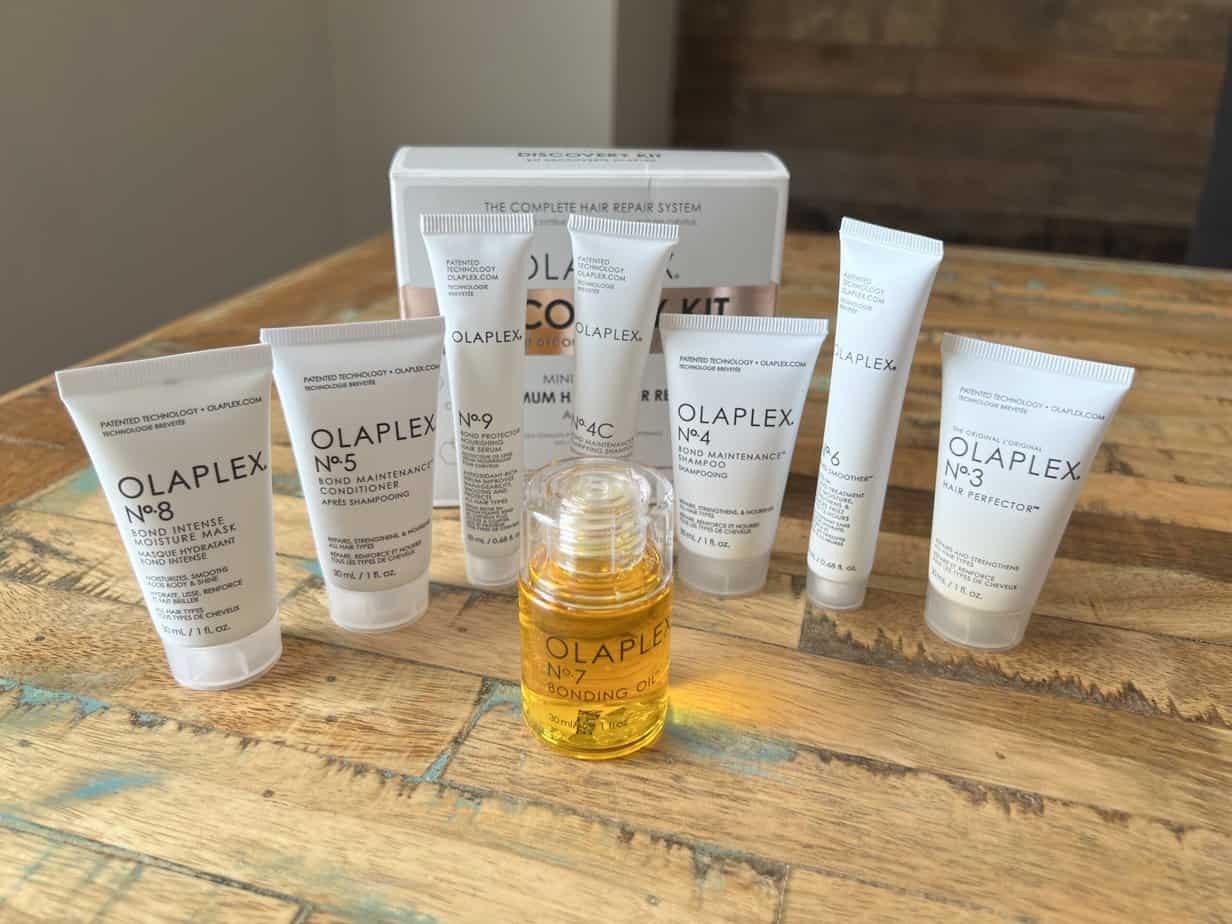
- Olaplex Products and Dandruff: Olaplex doesn't make a dandruff treatment. Olaplex No. 4 is a gentle shampoo that cleans your hair and scalp, No. 7 is a styling oil for your hair, and No. 8 is a moisture mask for dry hair. None of them contain a dandruff-fighting active ingredient.
- What Olaplex Is Made For: Olaplex products are made to repair your hair strands, not to treat scalp conditions. Olaplex says its bond-building ingredient, bis-aminopropyl diglycol dimaleate, relinks broken disulfide bonds inside your hair, which can help reduce breakage.
- Alternative Dandruff Treatments: Use specialized anti-dandruff shampoos containing salicylic acid or zinc pyrithione for effective dandruff control. A ready-made shampoo with 5% tea tree oil also helped in one trial. While you're treating dandruff, keep oils, including coconut oil, on your hair strands and ends instead of your scalp.
- Lifestyle and Scalp Health: Washing your hair regularly removes oil, flakes, and product buildup, and the American Academy of Dermatology says regular washing can often treat mild dandruff. Cold, dry weather and harsh shampoos can make a flaky scalp worse, so pick a gentle shampoo for the days you're not using your dandruff shampoo.
- Precautions and Consultations: Consult a board-certified dermatologist for severe dandruff or scalp conditions. Be aware of allergic reactions, especially for sensitive skin, and test new hair care products carefully to avoid irritation or exacerbating scalp issues.
Want to know more? In the next section, we'll cover what each of these Olaplex products actually does.

Olaplex No. 4
Olaplex's signature shampoo is made to gently clean and strengthen your hair strands.

Free 50-page guide
Your hair is already growing. The problem is keeping it.
On average, hair grows a third to half an inch a month, and curlier hair tends to grow more slowly. If your length looks stuck, that’s your hair breaking off as fast as it grows in. Here are the seven causes of breakage and the weekly routine that stops them.
Free. One email a week after that. Unsubscribe anytime.
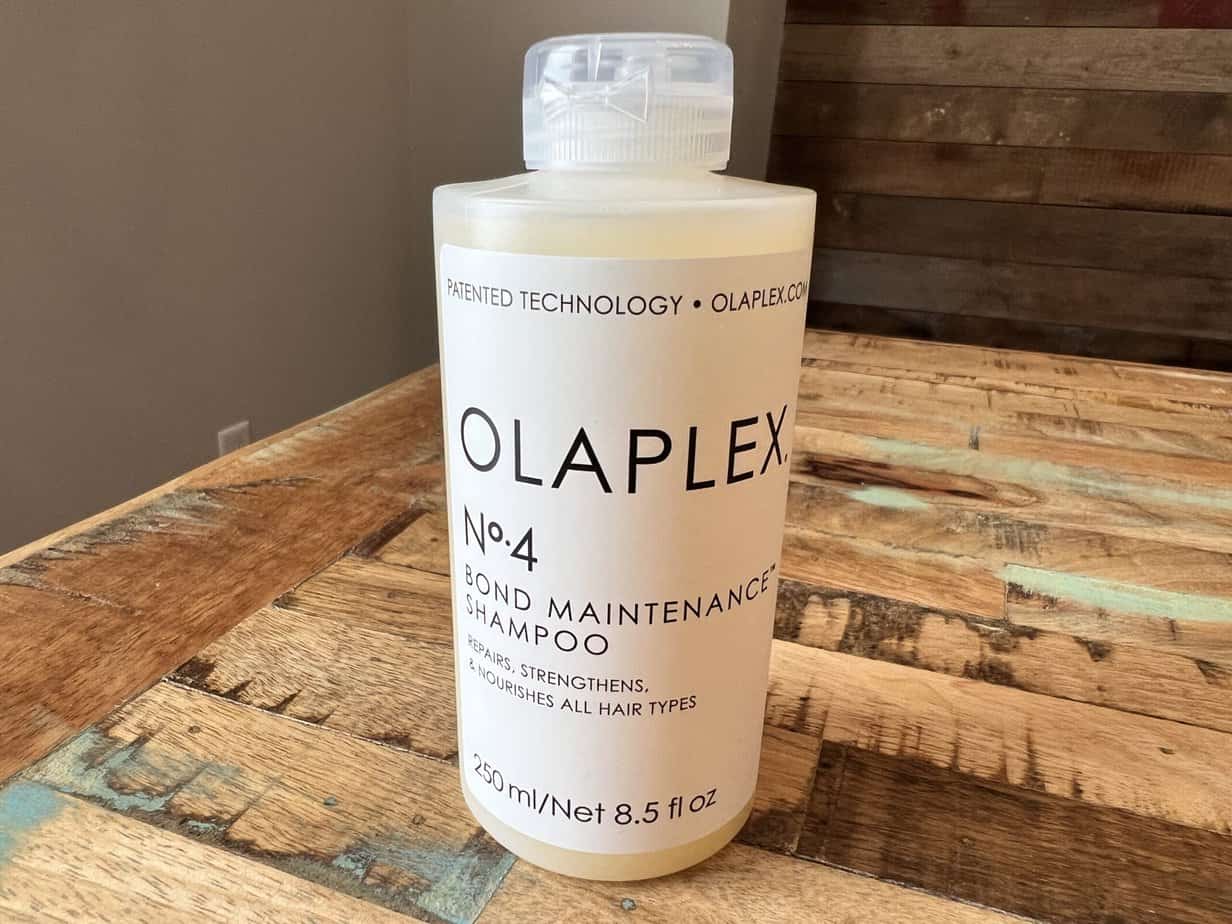
Its ingredient list includes rosemary, oregano, and noni extracts, but Olaplex doesn't say they do anything for your scalp, and none of them is a dandruff treatment. Olaplex No. 4 will leave your hair and scalp cleaner, and Olaplex says it boosts shine and cuts down on frizz.
Olaplex No. 7
Olaplex No. 7 is a styling oil for your hair, not your scalp. Olaplex says to apply two to three drops to damp or dry hair for shine and frizz control, and its ingredient list today includes sunflower, corn, and pomegranate seed oils. If you have dandruff, keep oils like this on your hair strands and ends, because the yeast behind dandruff feeds on oil.
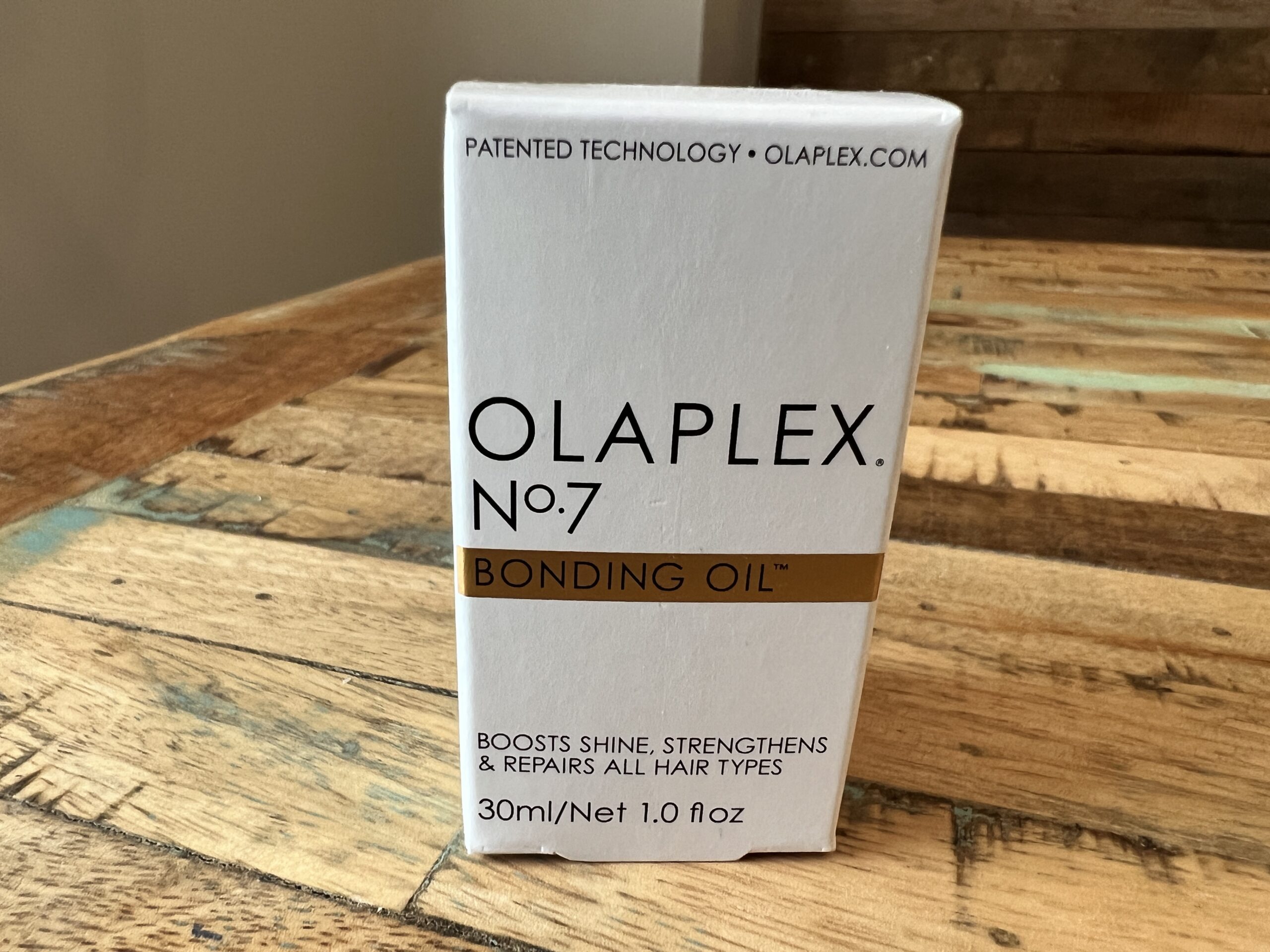
Olaplex says No. 7 strengthens your strands to reduce breakage, and it protects your hair from heat up to 450°F. With regular use, you may notice your hair looks shinier and smoother.

Olaplex No. 8
Olaplex No. 8 is a moisture mask for your hair strands, so it won't treat dandruff. If your flakes come from a dry scalp, the American Academy of Dermatology suggests switching to a gentle, regular shampoo first.
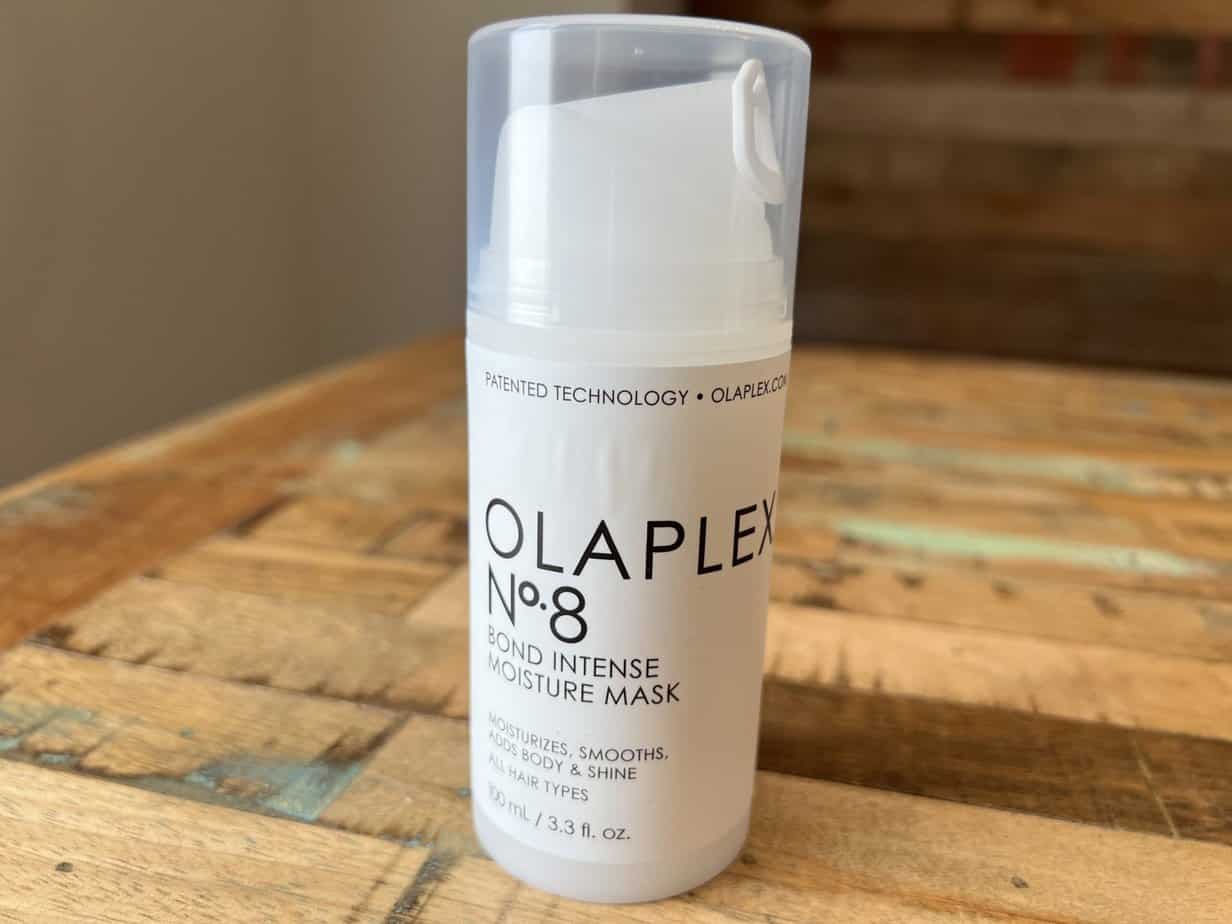
This hydrating mask includes ingredients such as amino acids, rice bran oil, rose hip oil, and ceramides, and Olaplex says it's clinically proven to improve your hair's shine, body, moisture, and smoothness.
Proper Dandruff Treatments to Consider
Olaplex products aren't made to treat dandruff, so you'll get much better results from a product made for your scalp. Our guide to dandruff in curly hair explains how to use one without drying out your curls.

Here are some of our recommendations for proper dandruff treatments.
Anti-dandruff Shampoo
When it comes to fighting dandruff, anti-dandruff shampoos are your first line of defense. They contain an active ingredient, like zinc pyrithione, ketoconazole, or selenium sulfide, that goes after the yeast behind dandruff.
However, they can dry out curly hair, so put them on your scalp only. For curly and coily hair, the American Academy of Dermatology suggests using a dandruff shampoo about once a week, if your hair tolerates it. If you wash your hair more often than that, use a regular shampoo on the other days.
Another thing to keep in mind is that various dandruff-fighting active ingredients are available. So, if one type of shampoo doesn't work well, just try another!
Similarly, a shampoo that worked for you may seem to stop working over time. In that case, the American Academy of Dermatology suggests switching to one with a different active ingredient, or alternating between two of them.

Soak up Some Sun
Got a dandruff flare-up? You may notice it eases up when the weather warms. The American Academy of Dermatology says seborrheic dermatitis (i.e., a stronger form of dandruff) flares most in winter and early spring, and may disappear during warm, humid weather.
Still, sun isn't a dandruff treatment, and it can burn your scalp, especially along your part. If you use a coal tar shampoo, your scalp burns even more easily, so wear a hat when you're outside for long.
Use an Anti-fungal Cream
Antifungal creams are a prescription option for seborrheic dermatitis on your skin, like your face, ears, or chest, and a dermatologist may prescribe one, such as ketoconazole cream. Don't use an athlete's foot cream on your scalp, though. The FDA requires those labels to say the product is not effective on the scalp.
For flakes on your scalp, start with a dandruff shampoo. If your dandruff is severe or doesn't improve in about four weeks, a dermatologist can prescribe something stronger.

Try a Baking Soda Scrub
Baking soda is a popular DIY scrub because its gritty texture can loosen buildup and flakes. We'd skip it on curly hair, though. Baking soda is alkaline (i.e., it has a much higher pH than your scalp and hair), and a review of shampoo pH found that alkaline products can increase friction between your strands, which can lead to cuticle damage and breakage.
If you want to loosen thick flakes, a dandruff shampoo with salicylic acid is made to do that on your scalp. And if you've already used a baking soda scrub and your curls feel dry and rough, a deep conditioning treatment as part of your typical wash day routine can help soften them.
3 Ways to Prevent Dandruff
In addition to hair products, there are a few habits that can help keep your scalp calm and your flakes down. Here are the ones worth trying.

Wash Your Hair and Scalp More Often
When you wash your hair, you're getting rid of the yeast's food source and making your scalp a less hospitable environment. But that doesn't mean that you should wash your hair constantly.
Overwashing your hair can dry out your hair and scalp, so try to strike a balance between washing your hair enough and too much. For people with curly hair, washing your hair once or twice a week is usually sufficient.
If you don't wash your hair enough, slowly increase the number of times you wash it each week and see how your scalp responds to the change.
Wash Your Hair Accessories
Hats, scarves, pillowcases, and brushes pick up oil, flakes, and product from your hair and scalp, and every time you use them, some of that goes back onto your clean hair.
Dandruff isn't contagious, so a dirty hat won't give you dandruff, but washing these items after every few uses keeps old oil and buildup off your scalp.
- Hats
- Scarves
- Pillowcases
- Brushes and combs
- Headbands

Get a Water Softener for Your Scalp
Hard water is common in American homes, and it contains high amounts of dissolved minerals like calcium and magnesium.
Those minerals can leave a film on your hair and make your shampoo lather less, so your hair may feel dry and rough. Hard water isn't a known cause of dandruff, though.
If hard water is leaving buildup on your hair, a clarifying shampoo now and then can help wash the minerals out.
Most shower filters are made to reduce chlorine, not to soften water. The one national standard for shower filters, NSF/ANSI 177, tests how much chlorine a filter removes, not how much calcium or magnesium.
Limit Your Use of Hair Products
Some products contain harsh ingredients that can aggravate your dandruff. If you notice more flakes when using a specific gel, cream, or spray, try to avoid it.
Instead, look for gentler products, and use stylers like gels and pomades sparingly. The American Academy of Dermatology says these products can lead to flare-ups.
While everyone reacts to products differently, the American Academy of Dermatology recommends alcohol-free products and suggests skipping fragrance, since both can irritate your skin. Ingredients to watch for include:
- Alcohol
- Synthetic fragrances
Frequently Asked Questions
Welcome to our FAQ section, where we address common questions about Olaplex and its effectiveness in treating dandruff. Here, we provide clear, concise answers to help you understand what Olaplex can and can't do when you have dandruff.
Is Olaplex Shampoo Good for Dandruff?
Olaplex No. 4 can wash flakes off your scalp, but it doesn't contain an active ingredient that treats dandruff, so the flakes are likely to come back. It's a gentle shampoo, though, and the American Academy of Dermatology says you can follow a dandruff shampoo with your usual products, so it can still be part of your wash day. For the dandruff itself, use a shampoo with an active ingredient like zinc pyrithione, ketoconazole, or selenium sulfide.
Does Olaplex 3 Help with Dandruff?
No. Olaplex No. 3 is a treatment for your hair strands, made to repair broken bonds, and it doesn't treat your scalp or dandruff. None of the Olaplex products contain an active ingredient that treats dandruff. For flakes, use a dandruff shampoo, and if your scalp doesn't improve in about four weeks, see a dermatologist.
How Often Should I Use Olaplex for Dandruff Treatment?
Olaplex isn't a dandruff treatment, so there's no schedule for using it on dandruff. Use each Olaplex product as its label directs for your hair. For dandruff, use a dandruff shampoo instead. For curly and coily hair, the American Academy of Dermatology suggests using it about once a week, if your hair tolerates it.
What Hair Treatment Is Good for Dandruff?
A dandruff shampoo with an active ingredient has the most research behind it. The American Academy of Dermatology names zinc pyrithione, selenium sulfide, ketoconazole, salicylic acid, coal tar, and sulfur. Put it on your scalp only, leave it on for about five minutes if the directions allow, and give it about four weeks. If it doesn't help, or your dandruff is severe, a dermatologist can prescribe something stronger.
Does Olaplex Oil Help With Dandruff?
No. Olaplex No. 7 is meant for your hair, and if you have dandruff, oil on your scalp may give the yeast behind it more to feed on. Keep it on your hair strands and ends.
Does Olaplex Help With Dandruff and Hair Loss?
No. Olaplex doesn't make a dandruff treatment, and none of its products contain an active ingredient that treats dandruff, like zinc pyrithione or ketoconazole. Olaplex doesn't say its products help with hair loss, either. For flakes that keep coming back, use a dandruff shampoo. If you're losing hair in patches or your part is getting wider, see a dermatologist.
Does Olaplex Shampoo Remove Buildup?
Olaplex No. 4 cleans everyday product buildup off your hair and scalp, like any gentle shampoo. For heavy buildup from oils, butters, or gels, a clarifying shampoo works better, and Olaplex makes one: No. 4C.
What Olaplex Is Best for Dry Hair and Scalp?
Olaplex makes its masks and leave-ins for your hair, not your scalp. For dry hair, a moisture mask such as No. 8 can help your strands feel softer. For a dry, flaky scalp, the American Academy of Dermatology suggests switching to a gentle, regular shampoo, and if that doesn't help, treat it as dandruff.
Does Olaplex 3 Help the Scalp?
Olaplex No. 3, a hair perfector, is primarily designed for hair repair and strengthening, focusing on restoring disulfide bonds. While it provides overall hair health benefits, its direct impact on the scalp is minimal compared to products specifically formulated for scalp care, such as anti-dandruff or moisturizing scalp treatments.
Is Olaplex Good for Scalp Issues?
Olaplex products are made to repair your hair strands, not to treat your scalp, and Olaplex doesn't say they treat scalp conditions or hair loss. If itching or flaking seems to come from dandruff, use a dandruff shampoo. See a dermatologist if it doesn't clear or if you think another scalp condition may be causing it.
Related Articles
- Can You Use Olaplex at Home?
- Can I Leave Olaplex 0 Overnight?
- How Long to Leave Olaplex 3 on Hair
- Olaplex Harmful Ingredients
- Is Olaplex a Protein Treatment?
Olaplex isn't a dandruff treatment, so for flakes that keep coming back, you'll get much better results from a dandruff shampoo with an active ingredient like zinc pyrithione, selenium sulfide, or ketoconazole.
If that doesn't clear your scalp in about four weeks, see a dermatologist, who can prescribe something stronger.
We hope you were able to find all of the information you were searching for to keep your hair gorgeous and your dandruff under control!