We're pretty sure everyone reading this has used conditioner at some point. But as you slather the creamy goodness onto your strands, you might begin to wonder what's the point.
What is conditioner used for? Is it necessary? If you're wondering what conditioner is and why you're supposed to use it, we're here to help!
In this article, we'll take a look at conditioner and what it's used for. By the end, you'll be armed with all the tools you need to use conditioner like a pro.
What Is Conditioner Used For?
Conditioner is a hair care product that hydrates, strengthens, and repairs your hair strands. It is applied to the hair after shampooing to improve its texture, making it softer, smoother, and easier to manage.
Conditioner can also be used as a detangling aid or pre-shampoo treatment. Conditioner is necessary for maintaining healthy hair, regardless of length, thickness, or type.

Free 50-page guide
Your hair is already growing. The problem is keeping it.
On average, hair grows a third to half an inch a month, and curlier hair tends to grow more slowly. If your length looks stuck, that’s your hair breaking off as fast as it grows in. Here are the seven causes of breakage and the weekly routine that stops them.
Free. One email a week after that. Unsubscribe anytime.
Conditioner also rehydrates the hair after using shampoo, which can dry out the hair. If conditioner is not used, hair can become dull, difficult to detangle, and more susceptible to dryness, breakage, frizz, and flyaways.
Conditioning Process for Hair
For most people, washing their hair is a two-step process. The first step in hair washing is shampoo. Shampoo cleanses your hair and scalp and helps remove dirt, oil, leftover product, and skin cells.
The second step in the wash day process is applying conditioner. Conditioner is a thick, creamy hair product that hydrates, strengthens, and repairs your hair.
It improves your hair's texture by making it softer, smoother, and significantly easier to manage. Keep in mind that there are other uses for conditioner. It can also be used as a detangling aid or pre-shampoo treatment.
Is Conditioner Necessary for Hair?
Regardless of your hair length, thickness, or type, conditioner is essential for healthy hair. It improves existing damage and helps ensure that your strands are strong enough to handle whatever the day throws at them. They also help to rehydrate the hair after using shampoo, which tends to dry out the hair.
What Happens if You Don't Use Conditioner?
Still not convinced that you need conditioner? Perhaps this section will make you a believer. Here, we'll explain what can happen when you don't use conditioner.
Your Hair Will Be Dull
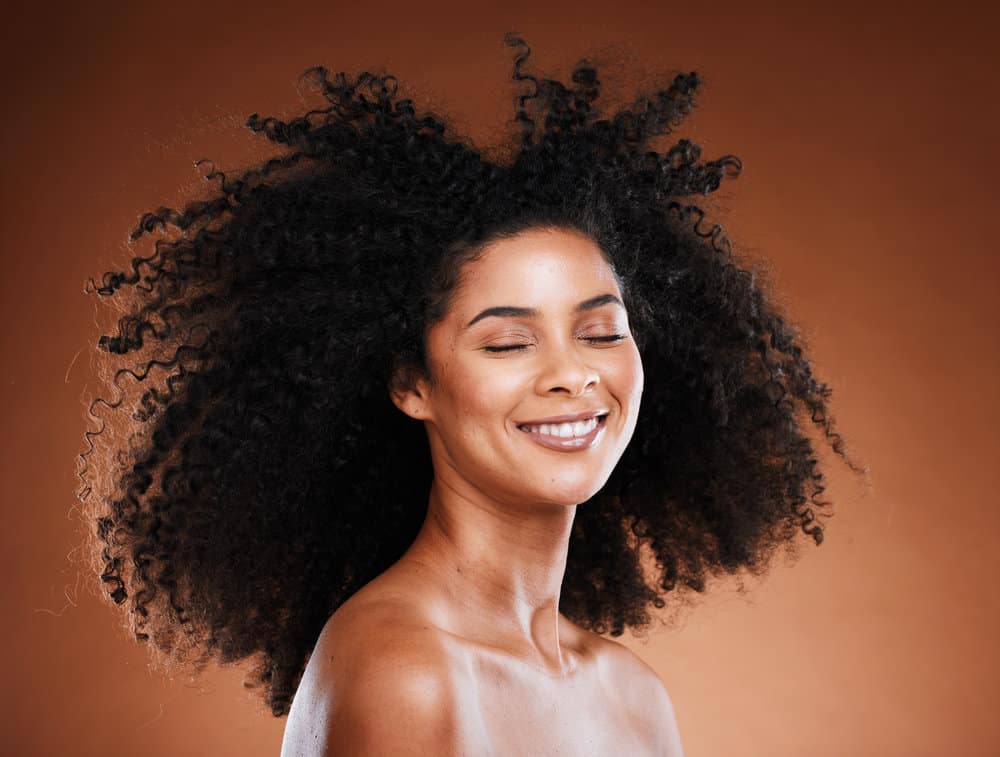
One of the first things you'll notice after not using conditioner is that your hair looks incredibly dull. Conditioners smooth your hair cuticles, so they lay flat and better reflect the light.
Most conditioners also contain shine-enhancing agents that coat your strands in a thin, highly reflective layer. Without this protective coating, your strands will be noticeably rough and dull.
Your Hair and Scalp Might Become More Greasy
Is your hair naturally greasy or oil-prone? Although it feels counterintuitive, ditching the conditioner can send your scalp into an oil production overdrive, leading to an oily scalp.
After you use shampoo, your hair and scalp are squeaky clean. While this level of cleanliness looks and feels great, it negatively affects your scalp. Your scalp senses the loss of oils and pumps out even more to counteract the dryness.
Your Hair Will Be More Difficult to Detangle
Most conditioners give your hair slip. They coat your hair in a slippery film, which makes it easier to comb through and detangle.
This cuts down on knots and breakage and makes it easier to retain your length. However, skipping the conditioner will make your hair more difficult to comb, brush, and detangle.
You'll Probably Suffer From Dryness and Breakage
Conditioner helps repair the damage caused by styling, shampoo, and the environment. So, if you stop using it, all of that damage will wreck your strands.
Your hair will become dry and brittle, and you'll likely see a sharp increase in breakage and split ends. And as your hair becomes more damaged, it'll become even more susceptible to harm.
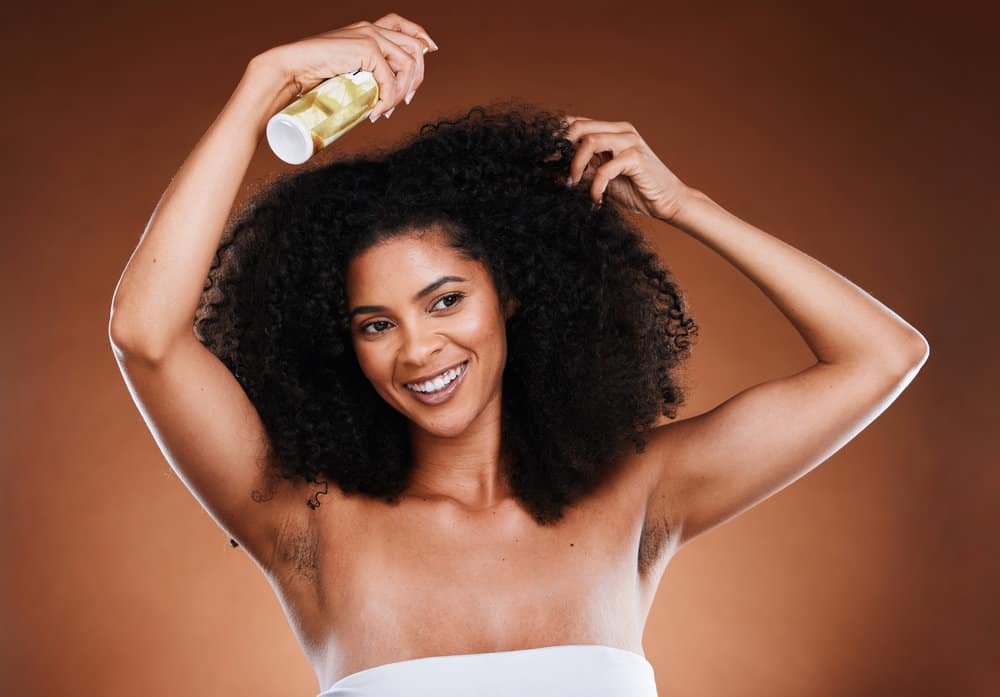
You'll See an Increase in Frizz and Flyaways
Many conditioners contain oils and silicones that weigh down your strands. While this doesn't sound great, it can make a huge difference in styling your hair.
As conditioner weighs down your strands, it helps tame flyaways, fluffiness, and frizz. So instead of poofy, your hair feels silky smooth.
How Do You Properly Use Conditioner?
Although using a hair conditioner seems relatively straightforward, there are a few things that you need to keep in mind. Want to know what they are?
Here are some of our top tips for getting the most out of your conditioner.
Apply Your Conditioner to Damp Hair
One of the first mistakes people make with hair conditioner is applying it to dripping wet hair. While this may seem like the best choice, the water can prevent the conditioner from penetrating your strands.
That's because your hair acts a lot like a sponge.
When it's filled with water, it doesn't have the space to take in the conditioner. So, for the best results, apply the conditioner to damp hair.
Make Sure the Conditioner Is Evenly Distributed
When you apply conditioner, you want to ensure that all of your strands can benefit from the treatment. So, take a few minutes to comb or brush the conditioner through your hair.
Wait for the Recommended Time
Another mistake people make with conditioner is rinsing it off too early. But if you rinse it off right away, your hair won't have the time to suck up all of those nourishing ingredients.
Always follow the time recommended on the packaging and give the conditioner enough time to penetrate your strands fully.
Focus On Your Ends
As the oldest part of your hair, your mid-lengths and ends need conditioner the most. Your scalp and roots get enough moisture from your scalp's natural oils.
It's also important to note that conditioner is formulated for your hair, not your skin.
As a result, it can irritate your scalp and clog your hair follicles. So, try applying conditioner to just the mid-lengths and ends of your hair for the best results.
Crank up the Heat
While most hair experts recommend avoiding heat, there is one clear exception. Heat gently nudges your hair's cuticle open, allowing more beneficial ingredients to sink into your strands.
It also speeds up chemical reactions, so the ingredients bond to your hair much more quickly. To get the most out of your conditioner, sit under a hooded dryer while you wait.
Don't have one? You can also wear a shower cap to help trap your body heat.
Use the Right Conditioner for Your Hair Type
If your conditioner isn't working the way you want it to, there's a chance that you're using the wrong kind of conditioner for your hair. Use a weightless conditioner if you have straight, fine, or naturally greasy hair.
You can also choose a conditioner that contains oil-regulating ingredients like essential oils, astringents, and plant extracts.
But if you have curly, dry, or damaged hair, use a thick, creamy conditioner instead. These hair types are drier and breakage-prone, so they need extra moisture.
Rinse Your Hair Thoroughly
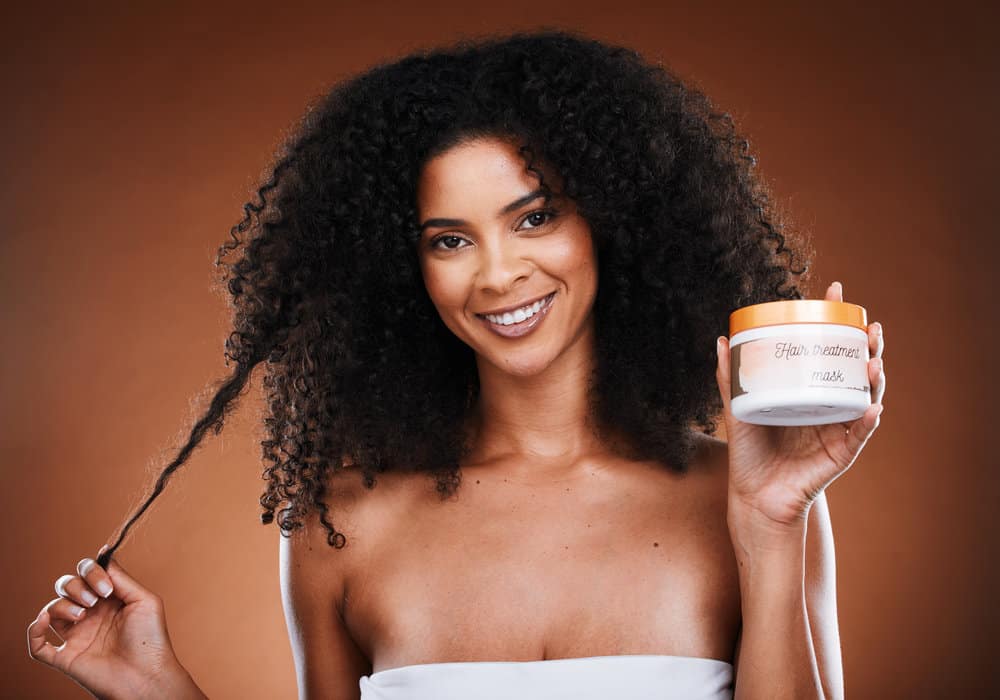
Rinse your hair thoroughly using whatever water temperature feels comfortable. Take your time so leftover conditioner doesn’t weigh down your curls or leave them feeling coated.
Your conditioner’s formula, not the rinse temperature, does the smoothing. A low-pH conditioner can help neutralize the electrical charge on your hair, reduce friction and frizz, and encourage the cuticle scales to lie flatter.
What Is Leave-in Conditioner Used For?
Leave-in conditioner simply gives your hair additional moisture and nourishment. Unlike traditional conditioner that is rinsed out after a few minutes, a leave-in conditioner is designed to be left on the hair all day or overnight. It's especially useful for dry, damaged, or curly hair that requires extra hydration. It detangles hair, reduces frizz, and adds shine.
What Is Dry Conditioner Used For?
A dry conditioner is a hair product designed to refresh and revive hair without water. It is essentially a dry version of a traditional conditioner and comes in a spray or powder form. It can help you extend the life of their hairstyle between washes by smoothing frizz and adding shine.
What Is Deep Conditioner Used For?
Deep conditioner is designed to penetrate the hair shaft and provide deep hydration. You can use it once a week or every other week to restore moisture to dry or damaged hair. Deep conditioner is especially useful for those who color their hair, use heat styling tools frequently, or spend a lot of time in the sun or chlorine.
What Is Purple Conditioner Used For?
Purple conditioner, also known as toning conditioner, is designed to neutralize brassy or yellow tones in blonde or lightened hair. It has purple or violet pigments that counteract the warm tones in hair color, resulting in a cooler, more ashy blonde. Use it about once a week, depending on the level of brassiness in your hair.
When Should We Use Conditioner?
Use conditioner after shampooing your hair. Shampoo strips your hair of natural oils, leaving it dry, but the conditioner helps to restore moisture and nourishment. This helps it feel soft and silky. You can apply conditioner to your hair after shampooing, leave it in for a few minutes, and then rinse it out thoroughly with water. You can also use a leave-in conditioner that doesn't require you to rinse it out.
What Does Conditioner Do for Your Hair?
Conditioner has a number of benefits for your hair. It helps to restore moisture to your hair, which can help to prevent damage and breakage. Conditioner also detangles your hair, making it easier to comb or brush. Some conditioners contain ingredients that can help strengthen your hair, reduce frizz, and add shine.
Do You Wash Off Conditioner?
It's important to rinse out conditioner thoroughly after applying it to your hair. Leaving conditioner in your hair can make it look and feel greasy, which is not ideal. After applying conditioner to your hair, be sure to rinse it out completely with water to ensure no residue is left behind.
What Happens if You Don't Use Conditioner?
If you don't use conditioner, your hair may become dry, brittle, and prone to breakage. This is because conditioner helps to replenish moisture in your hair and seal in nutrients. Without conditioner, your hair may also be more difficult to comb or brush, leading to tangles and knots. Additionally, skipping conditioner causes any color or treatment to fade more quickly.
Related Articles
- Leave Conditioner-in Hair
- Does Conditioner Expire?
- Can You Condition Without Shampooing?
- Can I Use Conditioner Instead of Developer?
There's absolutely no doubt about it: conditioner is a critical part of any wash day routine. It keeps your hair strong and soft and is one of the most important steps in maintaining healthy locks.
It also makes an excellent styling aid and helps ensure your hair always looks and feels fantastic.
Just make sure that you're using it correctly, and you can make every day a great hair day! We hope that the information we've gone over today helped shed some light on hair conditioner and what it's used for.