
When diffuser attachments gained traction in the natural hair community several years ago, many curly girls realized they were a real game changer. Before long, everyone wanted to know how to diffuse their curls.
If you want to learn how to diffuse curly hair, this is the place to be!
Though diffusing curly hair isn't difficult, it still requires the right tools and a few simple tips. In this article, we'll provide all the advice and instructions you need to confidently diffuse your curls without any issues. Let's get right into it!
What Is a Diffuser?
Before we teach you how to use a diffuser, it only makes sense to ensure we're all on the same page. Think about it: when you blast your hair with a blow dryer, do your curls blow everywhere and frizz up? Diffusers were created to remedy this issue.
A diffuser is an attachment that can be added to your blow dryer to help distribute the airflow more evenly. It has little holes that redirect the air, spreading it out over a larger area instead of blowing it all in one direction with a ton of force.
Free 50-page guide
Your hair is already growing. The problem is keeping it.
About a third of an inch a month on textured hair, not the half inch you’ve read. If your length looks stuck, that’s your hair breaking off as fast as it grows in. Here are the seven causes of breakage and the weekly routine that stops them.
Free. One email a week after that. Unsubscribe anytime.
Diffuser attachments are not hard to find. You can get them at your local beauty supply or drugstore. You can even find them online.
Benefits of Diffusing Curly Hair
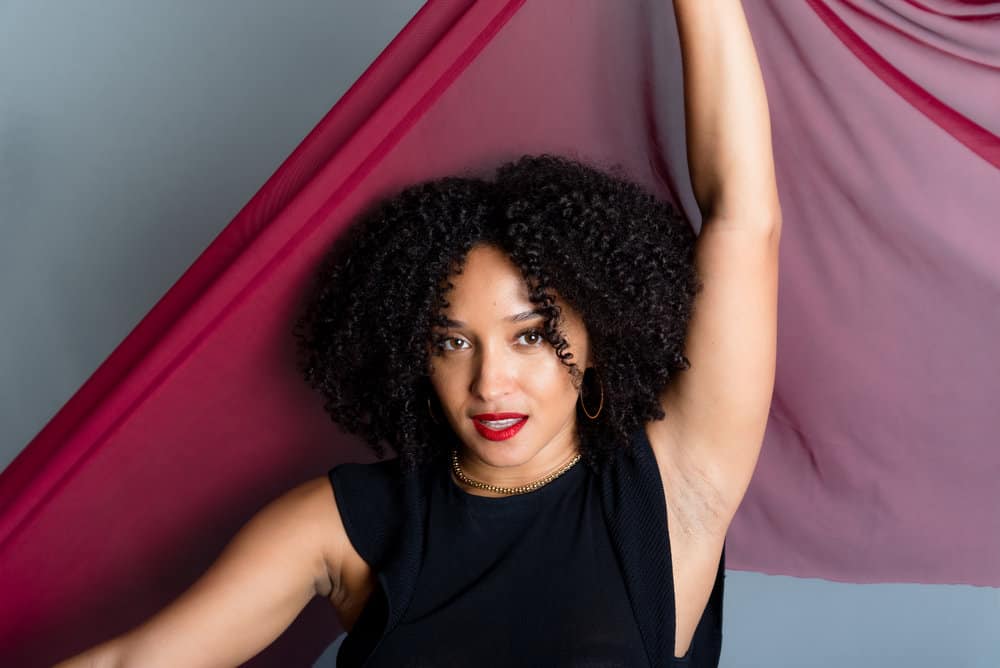
Diffusers are particularly useful for those with curly hair as they help to enhance curls while minimizing frizz and heat damage. This is because the airflow is spread over a wider surface area, meaning less hot air hits a given area of your hair. This is especially important for those with curly hair since forceful hot air can cause frizz and moisture loss.
In addition to this benefit, diffusers are great for defining your existing natural curl pattern and clumping your curls together. If you wear your hair in wash-n-go styles or any style that showcases your natural curls, you'll find that your diffuser makes your curls look a whole lot better.
Preparing for Diffusing Curly Hair
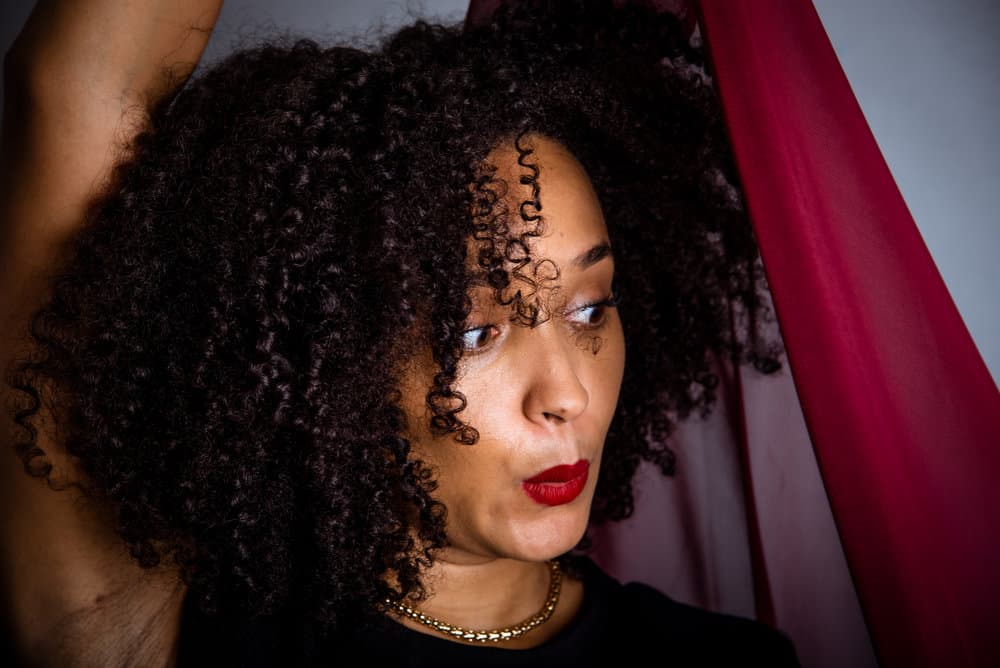
When it comes to diffusing curly hair, preparation is key.
The first step is ensuring your hair is clean, conditioned, detangled, and moisturized. Cleanse your hair with a moisturizing shampoo and follow that up with a hydrating conditioner. While the conditioner is sitting on your hair, finger-detangle or run a wide-tooth comb through your hair to remove knots and tangles.
Rinse and towel dry your hair after that.
Once you hop out of the shower, apply a leave-in conditioner or curl-defining cream to help enhance your natural curl pattern and reduce frizz. Be sure to evenly distribute the product through your hair, focusing on the ends where curls are more prone to drying out.
If you want a little extra curl definition, you can smooth the product through tiny sections of hair one by one - this is called shingling. Then, spray on a heat protectant to minimize heat damage.
Set your blow dryer to the right temperature for your hair type.
Lower temperatures work well for fine or damaged hair, while higher temperatures are better suited for thick or coarse hair. Start at a low power setting before increasing it as needed. Then, pop your diffuser attachment on the end of your blow dryer's nozzle.
This is all you need to do to prep.
How to Diffuse Curly Hair
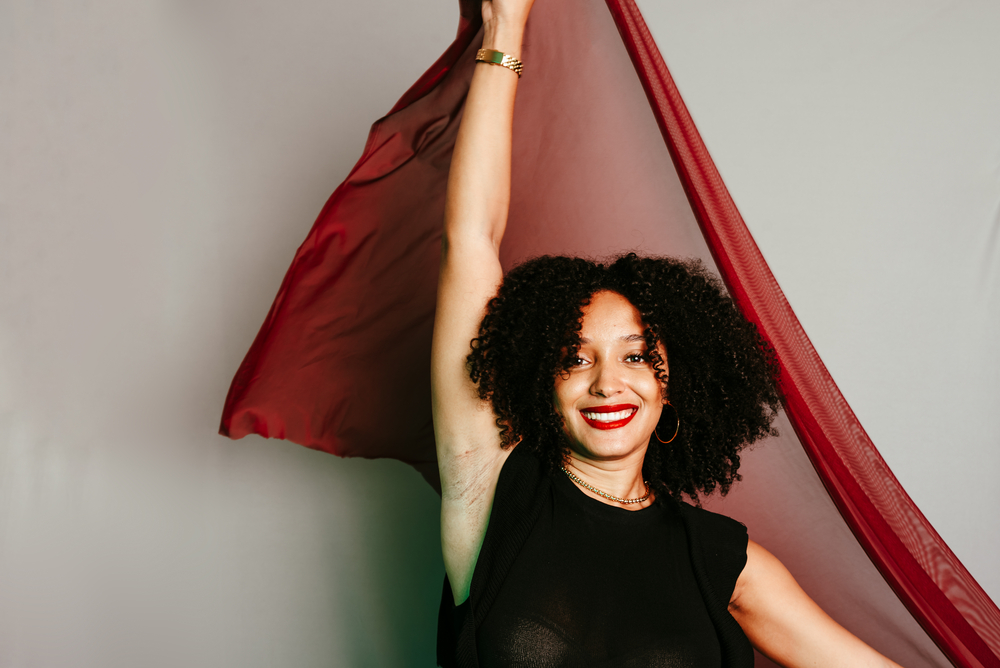
With your hair and blow dryer prepped, you can start the diffusing process. Turn on your blow dryer and point it toward your hair. It's important to make sure that you diffuse your hair in the way you want it to lay.
If you're trying to maximize volume, you'll push the blow dryer toward your roots. If you want your curls to lie flatter, don't scrunch with the blow dryer - press it against your curls at a 90-degree angle.
Don't diffuse any one section for longer than 10 to 15 seconds. Try your best to keep the blow dryer moving at all times. Afterward, move the dryer to a new section and repeat. Here's a video showing how to diffuse curly hair for volume.
When your hair is about 90% dry, switch your blow dryer to the cool setting to seal your curls. It'll further reduce frizz and close your hair cuticles to prevent moisture loss.
It could take 20 to 45 minutes to dry curly hair using a diffuser. Of course, it could take a little longer if your hair is very long or thick.
What to Do After Diffusing Your Hair
What you do after diffusing your hair is incredibly important. Once your hair is dry, use some oil or a serum to scrunch out any crunchiness from the styling products. Be careful not to use too much, as this could make your curls look flat.
To finish things off, you could spray a light mist of flexible hold hairspray to set your curls. This is optional, though.
Dos and Don'ts of Diffusing Curly Hair
With the instructions given in the previous section, you're all set to achieve the results you're going for. But for those who might need a little more guidance, these dos and don'ts will be helpful.
Dos
- Be mindful of the temperature of your blow dryer, and always use a heat protectant. Though diffusers help to reduce your risk of heat damage, they don't eliminate it.
- Section off your hair while diffusing, or at the very least, diffuse one area at a time.
- Pool your curls into the diffuser.
- Stop diffusing your hair when it's 90% dry.
- Use a high-quality blow dryer with several temperature settings and speeds.
Don'ts
- Forget to diffuse your roots. If you do, they may lack the volume that the rest of your hair has.
- Avoid using high heat settings for the entire diffusing process. Doing so can damage and dry out curly hair, leading to breakage and split ends.
- Use too much product before diffusing, as this can weigh down curls, causing them to lose their natural shape and bounce.
- Touch or comb through your curls while diffusing, which can cause unnecessary frizz.
Remember that everyone's curls are unique, so don't be afraid to experiment with different techniques until you find what works best for you! But you can feel confident using the above instructions as a baseline.
Troubleshooting Common Issues When Diffusing Curly Hair
One common issue some come across when diffusing curly hair is frizz. To avoid this, don't be aggressive while you're diffusing. Wiggling the blowdryer a bit while drying the hair is fine, but you shouldn't be flinging your hair around.
Another thing that helps is to consider your overall hair care routine - chronically dry, damaged hair will frizz up no matter how you prep or diffuse it.
Another issue is uneven curl patterns. To address this, apply your leave-in and curl-defining products evenly throughout your hair to encourage uniform curls. If you miss one or more areas, they won't look the same as the rest of the hair after diffusing.
Lastly, some people may experience damage or breakage from frequent diffusing. To mitigate this risk, limit how often you diffuse - once or twice a week should suffice for most people with curly hair.
And whenever you do, use a heat protectant. Additionally, be gentle when handling wet hair during the prep stage, and avoid pulling or tugging on knots or tangles while using the diffuser attachment.
Related Articles
So, there you have it - how to diffuse curly hair. We hope you found all the information you were looking for and that it helps make the diffusing process a lot easier. Good luck!