Most people know that using the right products on a wig is crucial to its longevity. Yet, some people use regular shampoo on their wigs and hope for the best.
Can you wash a wig with regular shampoo? What about dish soap or detergent? In this article, we'll not only reveal the answer to these questions, but we'll tell you exactly how to wash your wig for the best results, whether it's a synthetic wig, a human hair wig, a curly wig, or a lace front wig.
Can You Wash a Wig With Regular Shampoo?
It depends on what your wig is made of. You can wash a human hair wig with a gentle shampoo made for color-treated hair, but a synthetic wig needs a shampoo made for synthetic wigs.
HairUWear, the company behind Raquel Welch wigs, tells human hair wig owners to use a shampoo and conditioner for color-treated hair (HairUWear). That's because the hair on human hair wigs has often been colored or processed before it's sold. For synthetic wigs, the American Cancer Society recommends using only products made for wigs (American Cancer Society).
Some wig makers, like Jon Renau, sell their own shampoos for human hair wigs and recommend those instead. So if your wig came with care directions, follow those first.
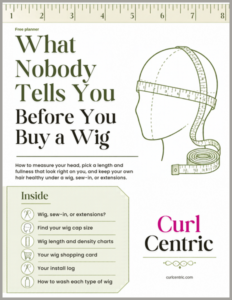
Free 10-page planner
Buying a wig or bundles? Get the fit, length, and fullness right before you pay.
Our free planner shows you how to measure your head for your cap size, how long a wig will look on you, and how full to go. It also has a page to help you choose between a wig, a sew-in, and extensions, a shopping card to check listings against, an install log, and how to wash each type of wig.
Free. You’ll get the planner by email, two more emails on how to use it, and then one every Thursday, plus the occasional extra. Unsubscribe anytime.
That doesn't mean your wig can take every product you use on your natural hair, though. While you may be able to use one of your usual hair products on both your natural hair and your wig, it helps to know what's in the bottle first.
Every shampoo cleans with surfactants (i.e., cleaning agents that grab onto oil and dirt so water can rinse them away), and that includes wig shampoos (Gavazzoni Dias, 2015). So the difference between a regular shampoo and a wig shampoo isn't whether it has surfactants. It's which ones it uses, how strong they are, and what else is in the bottle.
Many wig shampoos are sulfate-free shampoos. Jon Renau, for example, asks for a shampoo that's free of sulfates, parabens, and sodium chloride for its curly synthetic wigs (Jon Renau).
Shampoos that contain heavy oils and intense moisturizers can also leave your wig looking unnaturally shiny. In addition, they can cause buildup that makes your wig harder to style.

Your Natural Hair Is Very Different From Your Wig
Once you realize that your natural hair and your wigs are not the same, it'll be easy to understand why regular shampoo and wigs don't always mix. Here are a few important differences between wigs and the hair growing from your scalp:
- Human hair wigs are often dyed or treated with chemicals before being sold. This process allows wig companies to offer a consistent color palette, various texture options, and style variety. Unfortunately, it also weakens the hair fibers, which is why a shampoo for color-treated hair is a good match.
- Synthetic wigs are made from plastic-based fibers, such as modacrylic (Kaneka). Some synthetic fibers are heat-friendly, while others can be damaged by hot water or styling tools. Always follow the temperature limits on your wig's care card.
- Wig hair isn't attached to a scalp, so it doesn't receive the natural oils that coat the hair growing from your head. Human hair wigs may need conditioning to replace some of that softness, while synthetic fibers need products made for synthetic hair. Either way, choose products that match your wig's fiber.

What Makes a Good Wig Shampoo?
A good wig shampoo contains gentle, effective cleansers that can remove makeup, gel, oil, sweat, and more from your unit. The formula should be lightweight, buildup-free, and non-drying.
The shampoo should also contain smoothers and emollients (i.e., ingredients that soften the hair) that keep the wig looking shiny and healthy without giving off an overly greasy sheen.
If there's glue or tape on your lace, though, shampoo alone isn't the right tool. You'll need an adhesive remover first, and we'll walk you through that below.
This sounds like a tall order, right? Thankfully, it doesn't have to be hard to find a good wig shampoo. Keep reading for some of our top picks.

Best Shampoos for Wigs
Here are several wig shampoos to consider. Choose one made for your wig's fiber, and follow the care directions that came with your wig:
- Jon Renau Argan Smooth Luxury Wig Shampoo: This is a sulfate-free, color-safe shampoo made for human hair wigs and toppers. It's the shampoo Jon Renau uses in its own human hair washing steps, and it pairs with the brand's Argan Smooth conditioner.
- Jon Renau Synthetic Wig Shampoo: This sulfate- and paraben-free shampoo is made for synthetic wigs, toppers, and extensions. It's a gentle pick for routine washes.
- DeMert Wig & Weave System Shampoo: This shampoo is labeled for both synthetic and human hair wigs. It's made to remove oils and odors without stripping the color. Follow the directions on the bottle and your wig's care card.
- Brandywine Shampoo and Conditioner Set: This shampoo and conditioner set is labeled for synthetic and human hair wigs. The shampoo cleans the wig, while the conditioner helps control static, frizz, and flyaways.
Look for phrases like "wig shampoo" or "for wigs" on the packaging. These phrases indicate that the shampoo is intended for wigs. If you wear a human hair wig, a gentle shampoo labeled for color-treated hair may also be a good choice if your wig's care directions allow it.

Alternative Wig Shampooing Options
Many wig wearers emphatically state that you can use other products like baby shampoo or laundry detergent to wash your wig. Let's get into whether products like these are appropriate.
Baby Shampoo
If you're in a pinch and only have baby shampoo available, you can use it once. Baby shampoo is made to be mild, so it's often gentler than shampoos for kids and adults.
However, baby shampoo isn't made for wigs. Wig makers recommend wig shampoo for synthetic wigs and a shampoo for color-treated hair for human hair wigs, so switch back to one of those for your next wash.

Laundry Detergent
We don't recommend washing any wig with laundry detergent, and that includes synthetic wigs. Laundry detergent can be extremely harsh on wig strands and provides no benefits to the unit.
Gentle detergents like Woolite and a rinse with fabric softener can make a synthetic wig feel softer for a while. However, Jon Renau says these products break down wig fibers over time, which can lead to frizz, loosened knots, and a shorter life for your wig. The harsh chemicals may also irritate your skin (Jon Renau).
So all in all, it's better to use products specifically made for wigs. They'll give your wig all it needs to look great and behave like a dream.
Dish Soap
Dish soaps like Dawn are made to cut through grease on pots and pans, not to clean hair. So skip the dish soap, and use a shampoo made for your wig instead.

How to Wash Your Wig
Now that you know what to use to wash your wig and what not to use, here are some quick instructions to follow for effective wig washing. It's very straightforward, and the more you do it, the easier it will get!
The steps change a little depending on what your wig is made of. Synthetic wigs get washed in cool water and air-dried, while human hair wigs can handle lukewarm water and a blow dryer on a low setting. Take a look at the chart below to see how each type of wig is washed.
How to wash each type of wig
Find your wig in the first column, and then follow that row. If your wig came with care directions, follow those first.
| Your wig | Water | Shampoo | Conditioner | Drying |
|---|---|---|---|---|
| Synthetic wig | Cool water only. Hot water can damage synthetic fiber. | Use a shampoo made for synthetic wigs. If the care directions allow soaking, soak the wig for three to five minutes. Otherwise, wash it under cool running water. | A conditioning spray made for synthetic wigs, kept off the cap. | Air-dry it on a wig stand. Don’t use a blow dryer or heat tools. |
| Heat-friendly synthetic wig | Use cool water unless the care directions say otherwise. Heat-friendly fiber can still be damaged by water or styling tools that are hotter than the recommended temperature. | Use a shampoo made for synthetic wigs. If the care directions allow soaking, soak the wig for three to five minutes. Otherwise, wash it under cool running water. | A conditioning spray made for synthetic wigs, kept off the cap. | Air-dry it on a wig stand. Use heat tools only up to the temperature on the label. |
| Straight or wavy human hair wig | Cool or lukewarm running water. Don’t soak it. | A gentle shampoo for color-treated hair, or one made for human hair wigs. | Conditioner on the ends only, for one to two minutes. | Air-dry it on a wig stand, or blow-dry it on low to medium heat. |
| Curly or coily human hair wig | Cool or lukewarm running water. Don’t soak it. | The same shampoo as straight hair. Smooth it down through the curls; don’t scrub. | Conditioner on the ends only. Finger-detangle while it’s in. | Shape the curls with your fingers while they’re damp, and then air-dry it on a stand. |
Based on the wig care guides from HairUWear, Jon Renau, Ellen Wille, and the American Cancer Society. Keep conditioner off the cap on every wig, since it can loosen the knots.
How to Wash a Synthetic Wig
- Gently remove tangles with your fingers or a wide-tooth comb, starting at the ends and working toward the cap. If your wig's care card recommends a wig brush or paddle brush for that particular fiber, follow those directions instead.
- If the care directions allow soaking, fill a sink or large bowl with cool water and add the amount of synthetic wig shampoo listed on the bottle.
- Let the wig soak for three to five minutes. Gently dip it up and down, but don't rub or scrunch it. If the manufacturer says not to soak the wig, wash it under cool running water instead.
- Remove your wig from the water, empty your sink, and then rinse your wig under cool running water until the water runs clear.
- Gently press out the extra water with a clean towel. Don't twist or wring your wig.
- Mist on a conditioning spray made for synthetic wigs, keeping it off the cap, where the hair is tied on. Then comb it through gently with a wide-tooth comb, starting at the ends.
- Let your wig air-dry on a wig stand. HairUWear says not to dry it on a solid form or mannequin head, since that can stretch the cap. Don't use a blow dryer unless your wig is heat-friendly.

How to Wash a Human Hair Wig
- Detangle your wig before it gets wet, using your fingers or a wide-tooth comb. Start at the ends and slowly work up toward the cap.
- Hold your wig under cool or lukewarm running water so the water runs from the roots to the ends. Don't soak it or submerge it in a bowl, and never use hot water, since HairUWear says hot water damages the base (i.e., the cap the hair is tied to).
- Put a small amount of shampoo in your hand, and work it through the hair in a gentle, downward motion. Don't rub the hair, since rubbing can tangle it.
- Rinse under running water until the water runs clear. Gently squeeze out the extra water.
- Work a small amount of conditioner for color-treated hair through the ends of the hair. Keep it off the cap, since conditioner on the base can loosen the knots and make your wig shed. Leave it on for one to two minutes, or as long as the label says, and then rinse.
- Pat the hair with a towel, then comb it gently with a wide-tooth comb. Jon Renau says not to brush a human hair wig while it's wet.
- Place your wig on a wig stand to dry, or blow-dry it on a low to medium heat setting. Make sure the hair is completely dry before you use a flat iron or curling iron.
How to Wash a Curly or Coily Wig
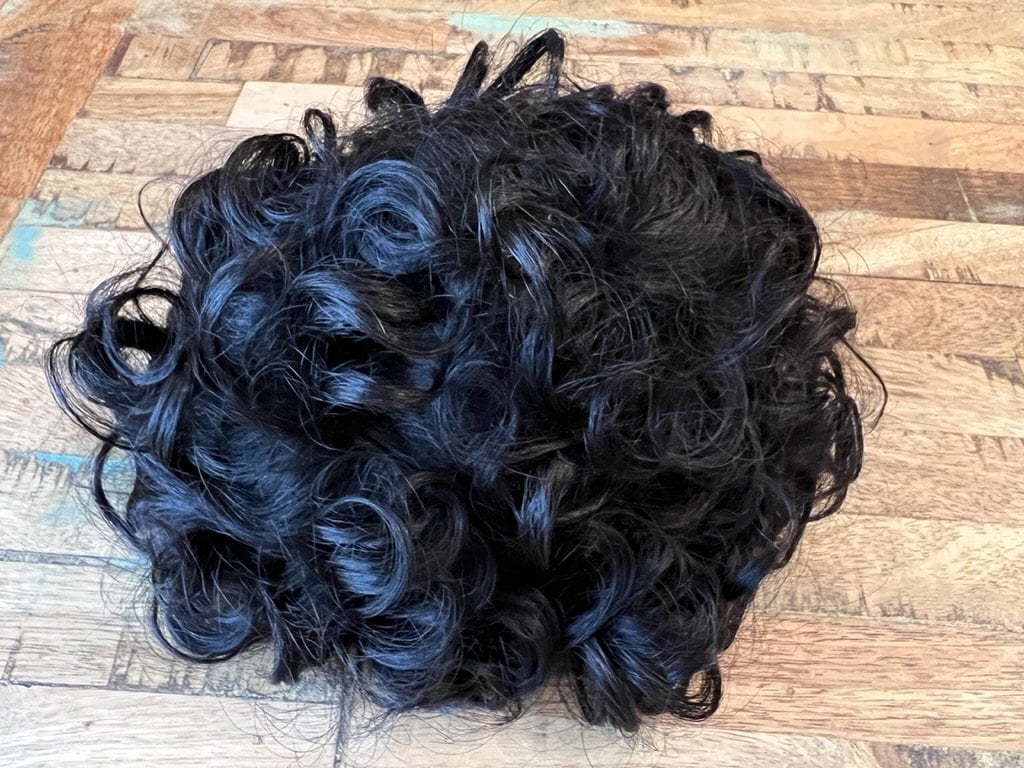
Curly, kinky curly, and coily wigs need a little extra care on wash day, since you want the curl pattern to look the same when you're done. Wash your wig the way its fiber needs, and add these steps:
- Detangle in small sections with your fingers before you wash, starting at the ends. A wide-tooth comb works, too, but never use a brush.
- Smooth the shampoo down through the curls instead of piling the hair on top of the wig and scrubbing.
- If you're conditioning a human hair wig, finger-detangle the curls while the conditioner is in. If you're washing a synthetic wig, apply a conditioning spray made for synthetic fiber and detangle it according to the product directions.
- Press the water out with a towel. Don't rub, twist, or wring the hair.
- While your wig is still damp, use your fingers to twist or smooth each curl back into shape.
- Let your wig air-dry on a wig stand. For a synthetic curly wig, Jon Renau suggests letting it air-dry for at least five to six hours.
- Once your curls are dry, don't comb or brush them. HairUWear says combing or brushing a curly synthetic wig once it's dry can loosen the curls, so fluff them with your fingers instead.
- Between washes, spritz your curls with a leave-in conditioner made for your wig's fiber, and shape them with your fingers.
How to Wash a Lace Front Wig
If you wear your lace front wig with glue or tape, take the adhesive off the lace before you shampoo. Walker Tape, which makes wig tape and adhesive removers, has you dissolve the leftover adhesive with a remover first and wash afterward (Walker Tape). If your wig is glueless, you can skip straight to washing.
- Use the remover made for your glue or tape, and follow the directions on its label.
- Soak the adhesive with the remover, and give it time to soften.
- Gently work the softened adhesive off the lace, one small section at a time, so you don't stretch or tear the lace.
- Never pick, scrape, or scrub at the lace. If the adhesive won't come off, add more remover and wait.
- Then wash your wig the way its fiber needs, and keep conditioner off the lace and the knots.
How Often Should You Wash a Wig?
Wig makers like Jon Renau and Ellen Wille recommend washing your wig about every six to eight wears (Jon Renau; Ellen Wille). Cleveland Clinic suggests washing a synthetic wig at least once a month, and more often if you wear it every day (Cleveland Clinic).
You may need to wash your wig sooner if:
- It smells, or it's soaked up smoke or sweat.
- It looks dull or feels heavy from buildup.
- You use a lot of hairspray, gel, or other styling products on it.
However, you don't need to wash your wig after every wear. Jon Renau says washing that often can shorten your wig's life.
Between washes, gently comb through a straight or wavy wig with your fingers or a wide-tooth comb after each wear. If your wig is curly or coily, reshape and fluff the curls with your fingers. Don't comb or brush dry curls unless your wig's care card says it's safe. Then store your wig on a wig stand so it keeps its shape.
Frequently Asked Questions
Can You Wash a Wig While Wearing It?
No. Wig makers like HairUWear don't recommend showering, swimming, or sleeping in your wig, and washing it on your head makes it hard to keep shampoo and conditioner off the cap and lace. Take your wig off, and wash it in a sink.
Can You Use Conditioner on a Wig?
Yes. Use a conditioner for color-treated hair on a human hair wig, or a conditioning spray made for synthetic wigs on a synthetic wig. Either way, keep it on the ends and off the cap, since conditioner on the cap can loosen the knots and make your wig shed.
Can You Use Hot Water to Wash a Wig?
No. Hot water can damage synthetic fiber and the cap of a human hair wig. Use cool water for a synthetic wig and cool or lukewarm water for a human hair wig.
Should You Wash a New Wig Before Wearing It?
Check the care directions that came with your wig. HairUWear says its human hair wigs should be washed and styled before the first wear, but other human hair wigs may arrive ready to wear. For a synthetic wig, follow the care card.
How Do You Make a Wig Soft and Silky?
Use products made for your wig's fiber, and wash it only when needed. Apply conditioner to the ends of a human hair wig or use a conditioning spray made for synthetic wigs. Detangle gently with your fingers or a wide-tooth comb, starting at the ends. If your wig is curly or coily, use your fingers to reshape the curls instead of combing them when they're dry. If a synthetic wig becomes frizzy or matted after extended wear, wash it as directed and apply a conditioning spray made for synthetic fiber. Conditioning can improve how the wig feels, but it can't reverse permanent heat damage or severely worn fibers.

Related Articles
- What Are Types of Wig?
- Are Wigs Made Out of Horsehair?
- Why Do Black Women Always Wear Wigs?
- What Can I Use Instead of Wig Glue?
There you have it! Your wig is an investment that requires special care. This includes using products that are appropriate for wigs.
Using the correct products, your wig will look and feel amazing and last for months or even years (depending on the wig type).
We hope this article has helped answer your wig shampoo questions and provided you with some helpful tips to ensure that your wig wash days go off without a hitch.