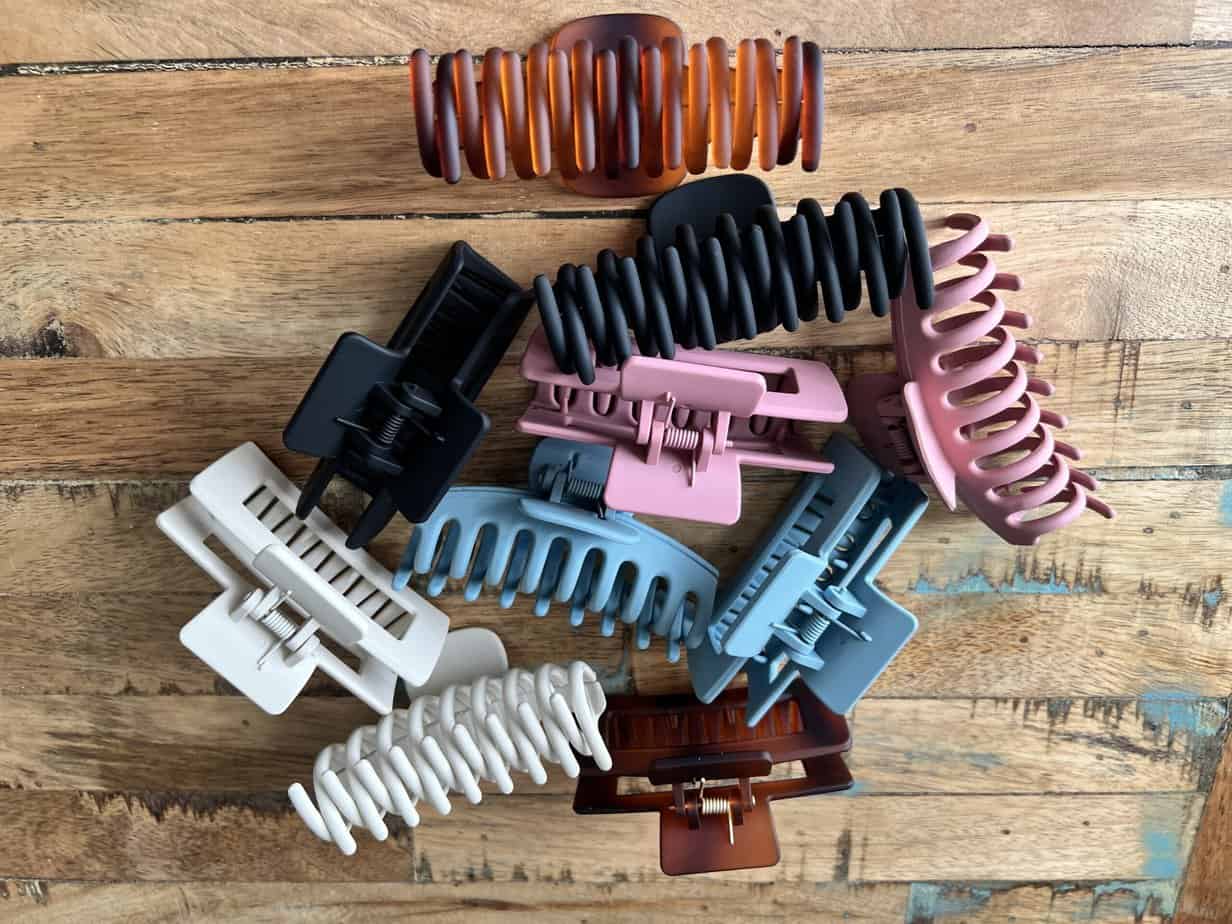
Claw clips are a go-to accessory for many women, and it's no wonder why! They add an extra touch of pizzazz to your hairstyle and help ensure your hair doesn't budge while you go about your day.
But what if your favorite claw clip is doing more harm than good? Are claw clips bad for your hair? Just read a little further to find out the answer to that and more! In this article, we'll take a look at claw clips and whether they are bad for your hair.
Are Claw Clips Bad for Your Hair?
Claw clips aren't bad for your hair. In fact, claw clips are an excellent alternative to other hair accessories. They don't place a lot of pressure on your hair and are surprisingly gentle when used correctly. They're even more gentle than fabric hair accessories, which can wick moisture from your hair and cause breakage.
However, it's important to note that there are a few cases in which wearing claw clips can damage your hair. Like other hair accessories, claw clips can snag on your strands and rip your hair out.
The prongs occasionally have sharp edges that scrape against your scalp or cause breakage. You'll also have to be careful using claw clips while drying your hair.
Free 8-page guide
You know your hair type. Here’s what it needs on wash day.
Our free guide gives you one page for each hair type group, from 2A to 4C. Each page tells you how often to start washing, what helps your waves, curls, or coils clump, and the problems your hair type runs into most. It also has a protein or moisture chart and a log for testing one change at a time.
Free. You’ll get the guide by email, two more emails on how to use it, and then one every Thursday, plus the occasional extra. Unsubscribe anytime.
As the hot air from the blow dryer heats the clip's metal components, they can reach blazing-hot temperatures. That puts you at risk for both hair and scalp burns.
Are Claw Clips Better for Your Hair Than Elastics?
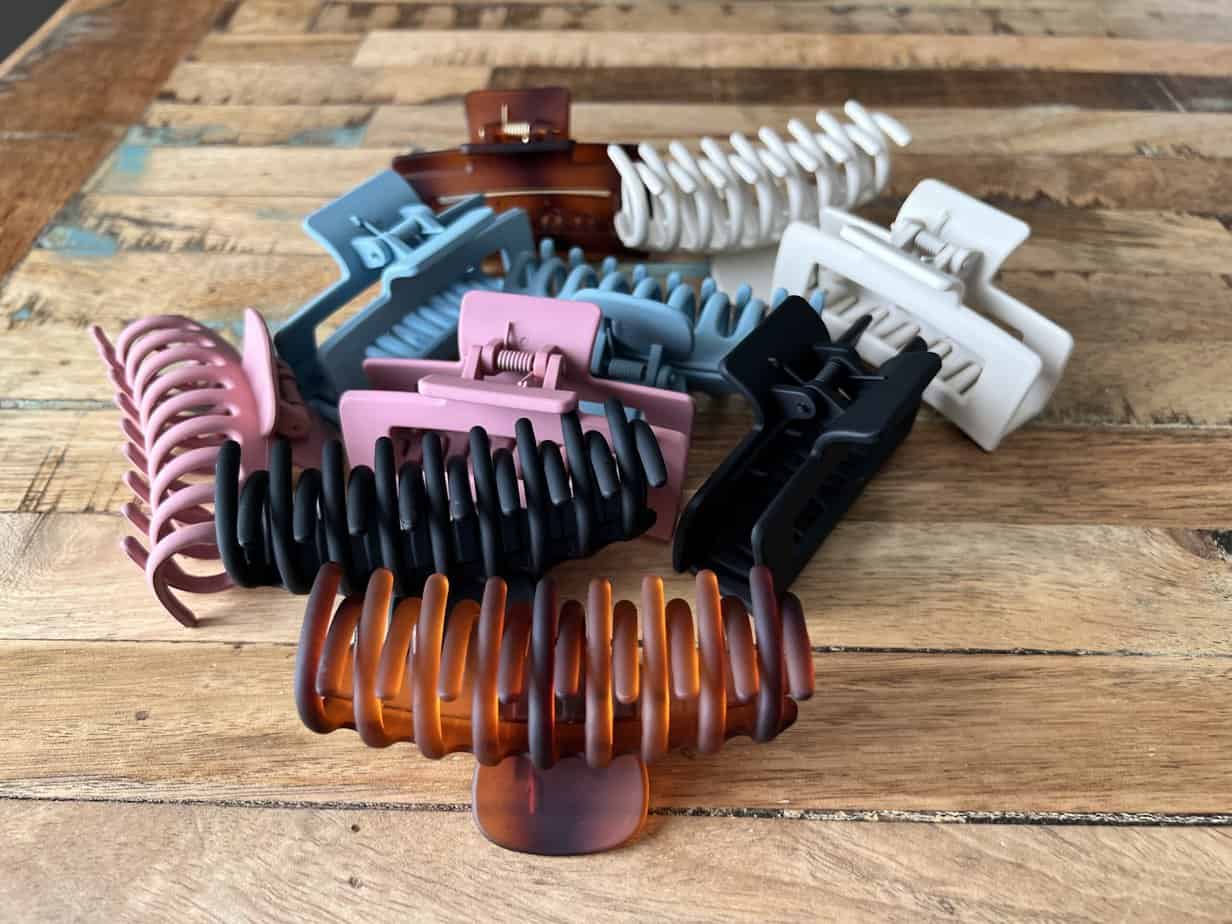
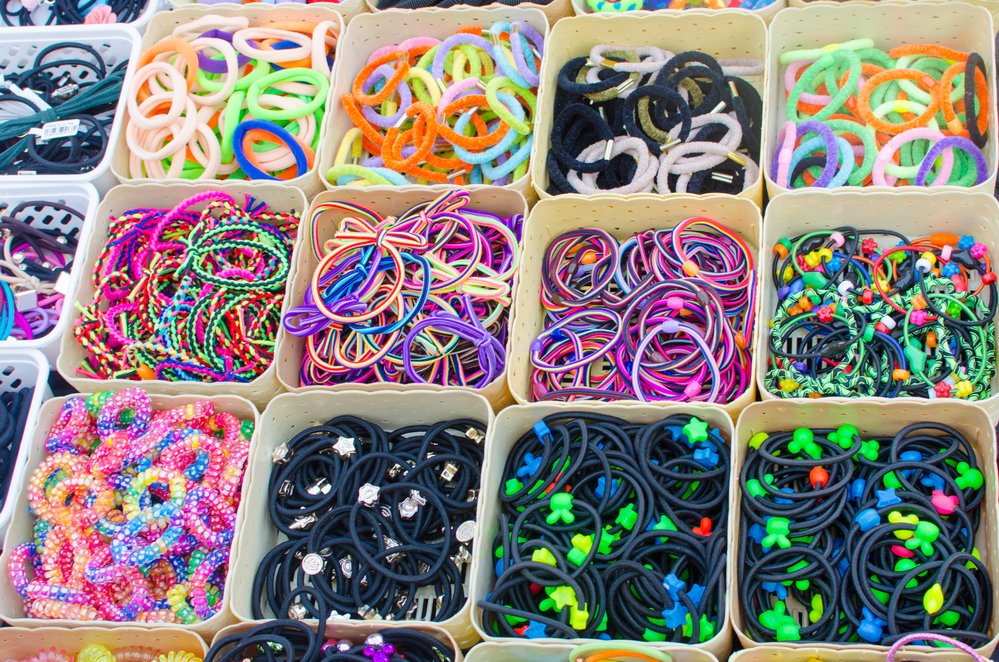
Although claw clips can have downsides, they are much safer for your hair than elastics. Elastic hair ties place a lot of tension on your strands, which can cause hair loss and breakage. The bands also rub against your strands as you go about your day.
As the elastic moves back and forth, it can get tangled or chip away at the integrity of your hair. Alternatively, claw clips gently clasp onto your hair. They aren't tight and don't place a lot of tension on your hair. Claw clips also don't leave dents in your hair.
So, they're better at preserving your curls and can help extend the life of your straightening sessions. That means you won't have to style your hair as often, which further reduces damage.
Are Claw Clips Better for Your Hair Than Scrunchies?
It seems like all the fashion trends from the 80s have made their way back into mainstream popularity. And we're happy to see scrunchies along for the ride! Scrunchies are one of the most gentle and forgiving hair accessories you can choose, particularly when they're made of a hair-friendly material like satin or rayon.
Because of their design, scrunchies are loose and don't create a lot of tension when you wear them. They don't get stuck in your hair when you take them out, and their soft texture doesn't leave dents in your hair.
Although claw clips are better than regular elastic hair ties, scrunchies are considered just as safe. Both accessories are less damaging and better at preserving your current hairstyle. If you want to reap the benefits of both, try incorporating both accessories into your hair styling routine.
How to Avoid Damaging Your Hair with Claw Clips
Though claw clips can have some adverse effects on your hair, the good news is that it is almost always avoidable. Here are some of our top tips for preventing claw clip-related damage.
Remove Them Carefully
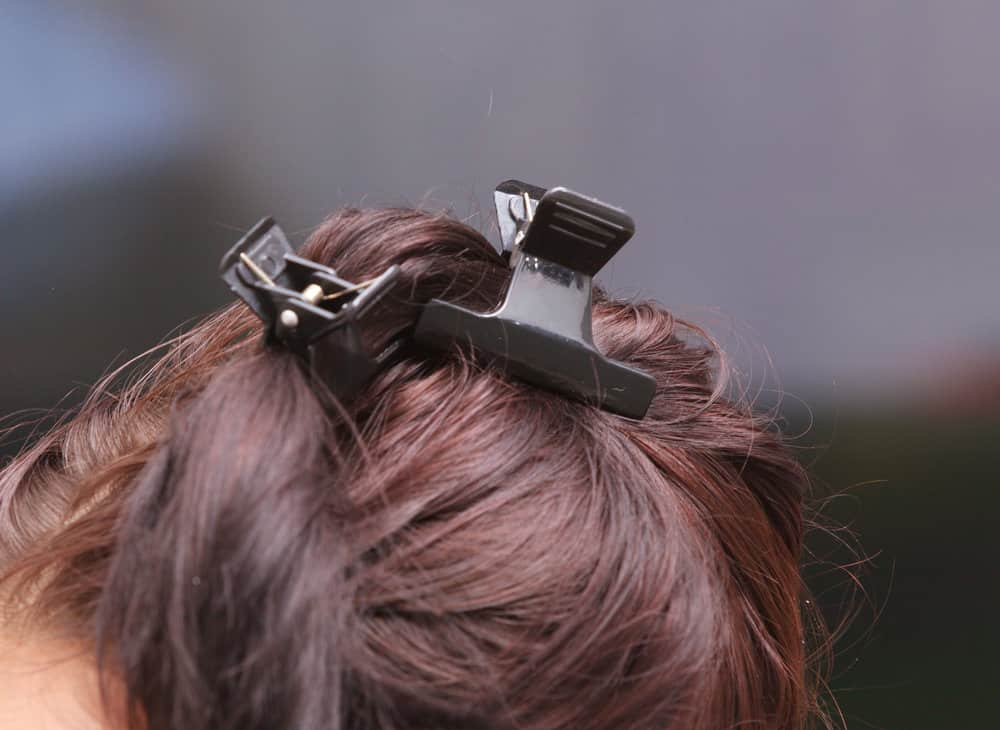
Most of the damage that comes from wearing claw clips stems from not removing them properly. If you yank the clips out of your hair, you'll probably end up pulling your hair out from the root.
So instead, open your claw clip and slowly pull it from your hair. Try not to rush, just in case you encounter any knots or tangles. When you do hit a tangle, gently remove the hair from the clip without placing too much tension on it.
Use High-Quality Clips
While it's easy to overlook, the quality of your claw clip plays a significant role in how good it is for your hair. Cheap claw clips might have jagged pieces that tear and cut through your strands.
They also have cheaper springs, making them more likely to break or get stuck in your hair. To avoid this, make sure you only buy high-quality claw clips. Pick hair clips with smooth, seamless edges and a hatch that easily opens and closes.
Don't Twist or Pull Your Hair Too Tightly
The hairstyle that you pair with your claw clip is just as important as the hair accessory itself. A base hairstyle that is too tight can cause significant breakage and thinning. Your hairstyle is too tight if you can feel your scalp being tugged.
Carefully loosen it before adding your claw clip. You should also make sure the clip isn't tugging at your hair or scalp while it's in place. And if all of your hair doesn't fit comfortably in a single claw clip, you may need to switch to a larger one.
Avoid Using Claw Clips in Damp Hair
There's no doubt about it: your hair is at its most fragile when it's wet. So before you use claw clips or any other type of accessory, give your hair enough time to dry.
Even if your hair only dries slightly, you'll cut down on the amount of damage your hair incurs. Air drying is the best option, but you can also blast your hair and scalp with a blow dryer to speed things along.
Just make sure you apply a heat protectant or keep your blow dryer on a cool heat setting.
Is It Bad to Wear Your Hair in a Clip Every Day?
While occasionally wearing a claw clip in your hair is perfectly safe, wearing one daily can lead to problems. If you want to keep your strands healthy, avoid falling into a rut and wearing the same hairstyle multiple days in a row.
In addition to giving you a confidence boost, changing your hairstyle often can actually help your hair grow fuller. When you part or style your hair the same way each day, some areas of your scalp repeatedly become weighed down.
This constant wear and tear can cause the roots to grow weaker. As a result, the hair in that area will become thinner. Instead of wearing your hair the same way each day, try alternating between a few go-to hairstyles. Your hair will thank you!
Can You Sleep with a Claw Clip-In?
Although sleeping with a claw clip-in is not recommended, there is a way to do it safely. First, make sure your hair is moisturized and detangled. Then, pile it on top of your head and form a bun. Firmly clamp the claw clip down on the bun.
The most important thing is to keep the clip on the very top of your head, where it won't rub against your pillow. That will help prevent damage and keep your strands safe while you snooze.
Related Articles
So, there you have it! While claw clips aren't inherently damaging, they can harm your hair and scalp if you don't use them correctly.
You'll also have to pay close attention to how you remove your clips. Fortunately, taking claw clips out is easy as long as you are mindful of how you go about it. We hope that you found this article to be helpful - happy styling!