Are you thinking about applying blonde dye to your red hair? What happens if you put blonde dye on red hair?
You may be surprised by the scenarios that could play out if you go through with it. This article will fill you in on what you can expect if you put blonde dye on red hair.
What Happens If You Put Blonde Dye on Red Hair?
Most people considering applying blonde dye over red hair want to (1) go blonde or (2) go a lighter red. If either of those scenarios applies to you, you may be disappointed.
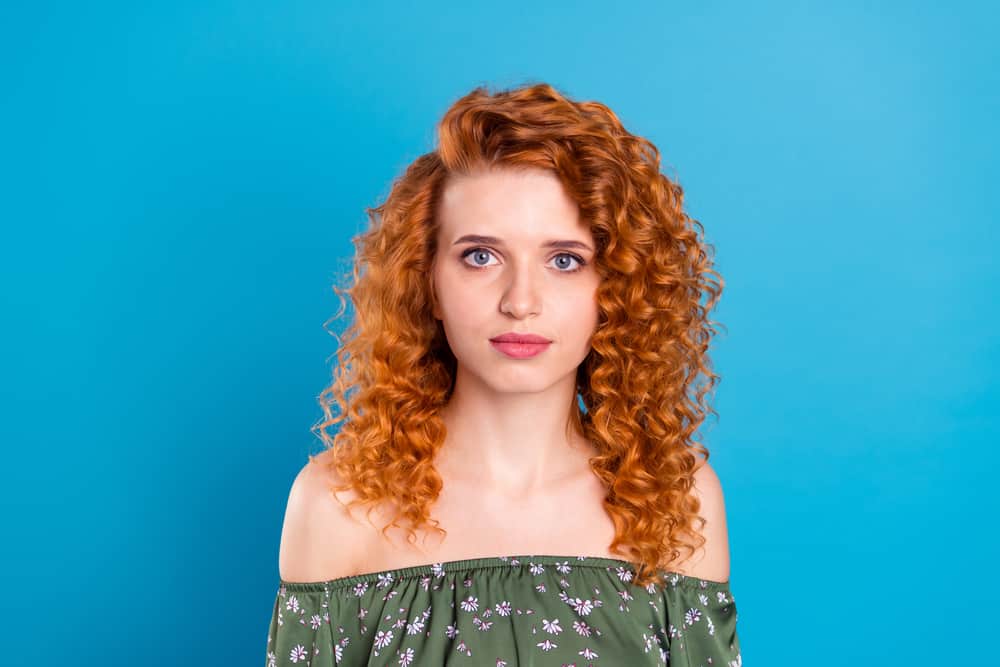
Putting permanent blonde hair dye over red hair will result in an orange color.
Why?

Free 50-page guide
Your hair is already growing. The problem is keeping it.
On average, hair grows a third to half an inch a month, and curlier hair tends to grow more slowly. If your length looks stuck, that’s your hair breaking off as fast as it grows in. Here are the seven causes of breakage and the weekly routine that stops them.
Free. One email a week after that. Unsubscribe anytime.
The blonde dye contains many yellow tones, and the red dye is made up of highly pigmented red tones. These yellow and red tones combine to make orange. The orange you end up with will likely err on the red side.
Note: This applies only to permanent dyes.

Blonde Semi-Permanent Dye Over Red Hair
Putting blonde semi-permanent dye over red hair won't do anything at all. Since blonde is lighter than red, the blonde dye pigments will simply blend in.
There'll be no change without an agent to open up your hair cuticles and remove your existing hair pigment. So, we urge you not to waste your time putting blonde semi-permanent dye over red hair.
When blonde dye changes your red hair, orange is a common result. What gets you out of it depends on whether that orange is your own pigment showing through or red dye that's still sitting in your strands.
Start with what you see in the mirror
What your tone is, and what actually cancels it
Toning and lifting do two different jobs, and disappointing results usually happen when you reach for one while your hair needs the other. Toner deposits color to neutralize a tone you don’t want. It can’t make your hair several levels lighter or remove artificial dye. Find the row that matches what you see in daylight, then check the last column before choosing a product.
| What you see | What it actually is | What to reach for | What won't work |
|---|---|---|---|
| Pale yellow | Your hair has lifted far enough for most very light blonde results. The pale yellow is what remains after most of the darker pigment is gone. | Purple shampoo for maintenance, or a violet toner for a stronger result that lasts longer than a few washes. | More bleach if you’ve already reached your target level. It adds damage without correcting the yellow tone. |
| Gold | Your hair is sitting between yellow and orange, which is why purple by itself may not do enough. | A blue-violet shampoo or toner, because it can address both sides of the warmth. | Purple shampoo by itself. It may soften the yellow, but it can leave the orange warmth behind. |
| Orange | Your hair has only lifted partway, so some of its natural warm pigment is still showing. | A blue shampoo or toner if you want to keep the same level and make it look cooler. If you want a lighter blonde, your hair may need more lifting first. | Purple shampoo. Purple neutralizes yellow, while blue is the color that neutralizes orange. |
| Red-orange | Your dark hair may be midway through the lightening process, or artificial red dye may still be sitting in your strands. Your hair history decides which one it is. | If it’s natural pigment and you want to go lighter, your hair may need another carefully planned lightening session after it recovers. If it’s artificial red dye, fade it or use a color remover before deciding whether bleach is necessary. | Toner or colored shampoo by itself. Neither one removes red dye or makes your hair lighter. |
| Green | Green on light, porous hair is often caused by copper buildup from pool or household water. If it appeared after coloring, leftover dye may be responsible instead. | A chelating shampoo containing EDTA if copper is the cause. If the green came from dye, use a clarifying or color-removal plan made for artificial pigment. | Purple or blue shampoo. Neither one removes copper, and adding more blue can make a green cast look stronger. |
| Still dark | Your hair hasn’t lifted far enough for a pale blonde result, so there isn’t a light base for the toner to work on. | More lifting only if your curls are healthy enough, preferably over separate sessions. See a colorist if you’re trying to move more than a couple of levels. | Toner. A light blonde dye also won’t take dark or heavily pigmented hair straight to pale blonde. |
One line covers the whole chart: toning changes the tone at the level your hair has already reached. It doesn’t replace lifting, and it can’t remove artificial dye. If your curls feel gummy, brittle, or start snapping, stop processing them and give your hair time to recover before you do anything else.
The Easiest Way to Get Lighter Red Hair: Box Dye
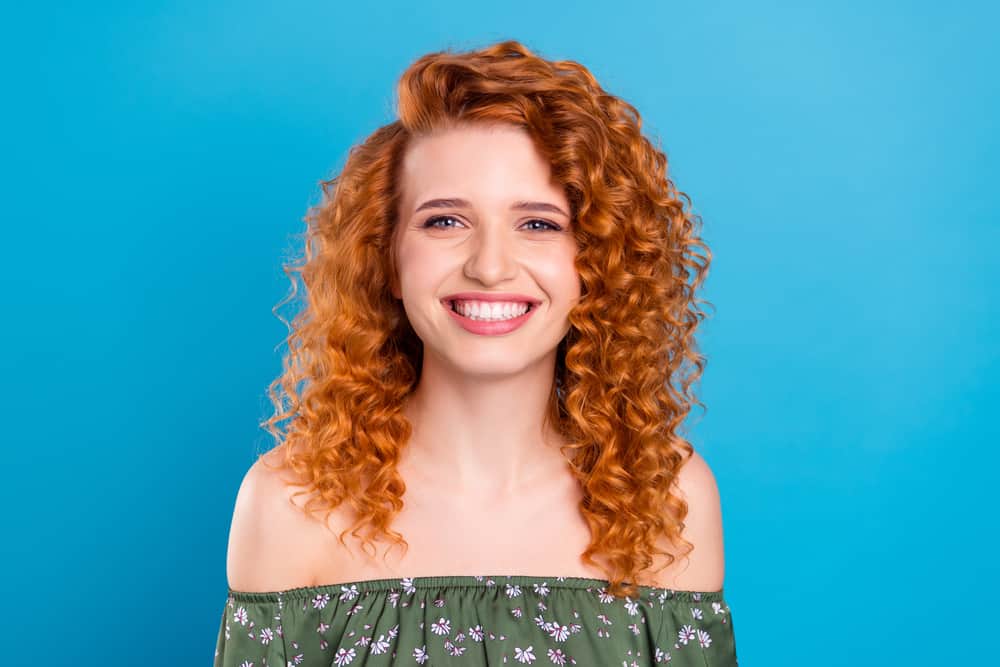
To get lighter red hair at home in one chemical process, you can use permanent box dye. Just choose one in a lighter shade of red.
The 20-volume developer found in typical box dyes will lift your current color a few shades and deposit the new lighter red color into your hair shaft.
Simply purchase your light red box dye and follow the instructions on the packaging. You'll soon have the red hair you've been yearning for.
*This method only works if the red you want is within a couple of shades of your current shade of red.
How to Get Lighter Red Hair: Strip and Recolor
Another way to get lighter red hair is to strip and recolor it. We'll go over how to do this in the following sections:
Remove Some of the Red Pigment
The easiest way to lighten up your red hair is to up your clarifying shampoo sessions. Clarifying shampoo will lift away the pigment over time. Once you arrive at the right shade of red, you can stop using the clarifying shampoo.
It can take several clarifying shampoo sessions to remove the red dye.
So, if you're looking for a quicker solution, you can use a color remover. It's usually gentler than bleach because it breaks down the dye in your hair instead of lightening your natural color, and it can remove a lot of dye in one session. Some of the color can come back afterward, though, and the next dye you apply may not turn out the shade you expect.
Redye Your Hair with a Lighter Red
After a sufficient amount of red dye has been removed, you've got a choice to make. Here are a few possible routes you can take:
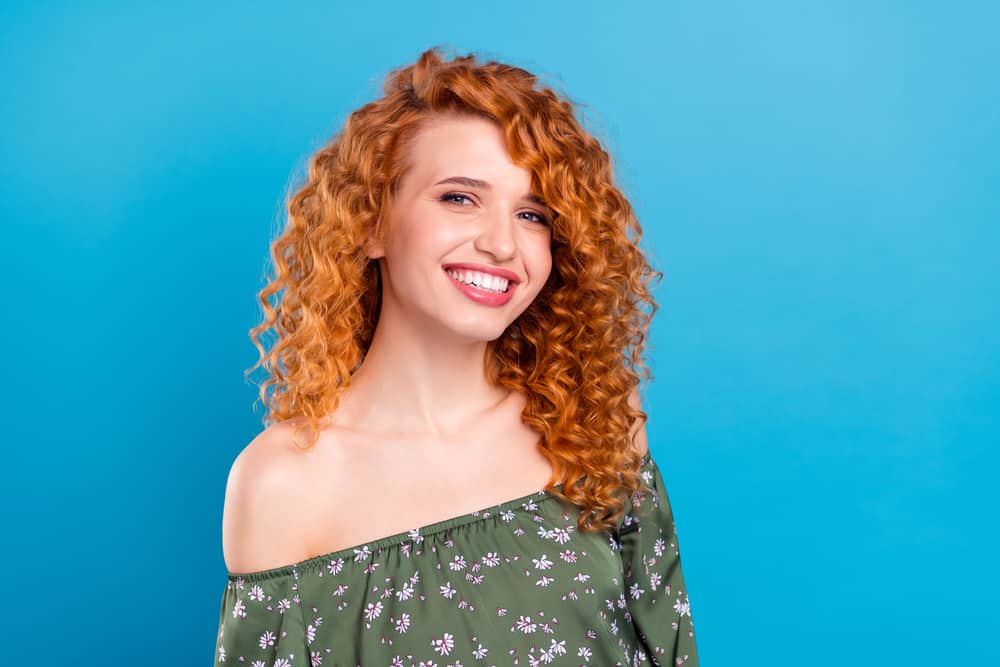
- If your hair is lighter than the red you're going for, apply a red semi-permanent dye on top to finish things off.
- If your hair is significantly darker than the red you're going for (more than 3 shades), you'll need to lighten your hair with bleach and then apply a light red semi-permanent dye on top.
- If you like the shade of red your hair is, you can stop there and style your hair as usual.
How to Dye Red Hair Blonde: Go from Red to Blonde
If you're considering putting a blonde dye over your red hair to get blonde hair, your efforts will be in vain. The blonde pigment is no match for the red pigments in your hair.
Remove the Red Pigment
To get genuine blonde hair, you'll need to completely remove the red pigments from your hair either by bleaching it out or fading it over time. This step is non-negotiable because if any of the red pigment is left behind, it'll result in a reddish-orange tint that'll overpower your blonde look.
Lighten Your Hair
After all of the red pigment is gone, you'll have to decide whether your hair needs additional lightening. Here are some tips you can use to determine whether you need to lighten your hair further:
- For a platinum blonde, your hair should be a level 10.
- For a medium blonde, your hair should be at least a level 9.
- For a dark blonde, ensure that your hair is at least a level 8.
Apply Your Toner
Once your hair is at the right level, you can apply a toner to eliminate any brassiness and tint your hair to your preferred hue.
How Long Does It Take to Go from Red to Blonde?
Going from red to blonde is no joke. It could take several hours from start to finish and depends mainly on which methods you use to strip the red dye from your hair.
If you use a color remover first and lighten your hair afterward, the process will be very lengthy. If you go straight for bleach, you'll save time (though bleach is incredibly harsh).
Here's a quick time breakdown (note that these are estimates):
- Removing color from dyed red hair can take anywhere from 1 to 3 hours, depending on how many color removal sessions you need to remove the pigment.
- Bleaching out pigment can take up to 2 hours.
- Redyeing your hair with semi-permanent or permanent dye will usually only take about an hour.
We recommend that you factor in additional time (several hours) if your dyeing session doesn't go as expected.
You don't want to have to go outside with wonky-colored hair. Most people block out an entire day to dye their hair - that's a good idea.
Know When to Consult a Professional
Consult a professional if you are at a loss as to how to bleach hair, remove color, or determine your hair color level.
You're also better off seeing a professional colorist if you've never colored your own hair blonde before. The process uses potent chemicals, and pushing it too far can cause your hair to break off at the damaged points.
Colors You Can Put Over Red Hair
As you can see, going from red to blonde or lighter red takes multiple steps and may even end in disaster if you don't have a knack for dyeing hair.
But there's no need to worry. There are several colors that you can put over your red hair at home with minimal damage.
If you want to go darker, you have plenty of options. You can go with virtually any color that's darker than your current shade of red.
Keep in mind that whatever color you put on top of the red will take on the warmness of the red and may even be overpowered by it (depending on the specific shade of red you have).
For instance, if you apply brown over your red, the result will be very warm, and some of the red pigment may show through. The same applies to other colors - blue dye over red hair will result in a shade of violet.
Even if you put black dye over red hair, if the red is vibrant enough, it will show up a bit in the sun or under bright lights.
Related Articles
- Black Girls With Ginger Hair
- Red and Purple Hair Dye Mixed Together
- What Is the Most Rare Hair Color
- How to Neutralize Red Tones in Brown Hair
To sum things up, going from red to blonde is a very involved process. And even going from red to lighter red can be complicated as well. Regardless, you've got the information you need to plan out the best way to reach your hair goals.
If you have additional questions, we recommend reaching out to your local colorist - they'll be able to give you personalized recommendations based on your hair history, current hair condition, and hair color aspirations.