
To achieve the longer-than-life hairstyles that are popular today, most people need weave. The vast majority of people can use weave without issue, but there can be times when you quickly regret it.
One of the most devastating cons of weave is that it can break your face out.
If that's happened to you, you're in the right place. In this article, we'll tell you everything you need to know about why weave breaks your face out and what to do about it. Let's get into it!
Why Does Weave Break Your Face Out?
Weave undergoes a lot of processing before reaching the consumer, which can leave harmful residues and organisms. Secondly, inadequate storage conditions can further compound the issue.
Contact with such questionable weaves can lead to skin reactions such as redness, bumps, itching, and peeling. Notably, synthetic and human hair weaves pose a risk of skin breakouts, making it difficult to guarantee the safety of any weave.

Free 50-page guide
Your hair is already growing. The problem is keeping it.
On average, hair grows a third to half an inch a month, and curlier hair tends to grow more slowly. If your length looks stuck, that’s your hair breaking off as fast as it grows in. Here are the seven causes of breakage and the weekly routine that stops them.
Free. One email a week after that. Unsubscribe anytime.

The Processing Steps Weave Goes Through
There are several things done to weaves that increase the probability of breakouts and bad reactions. If you're curious about them, this section is for you. Before they're sold, weaves go through some of the following processes:
- Weave may be stored for an extended amount of time before it is sold. While it's sitting in storage, it may pick up all manner of germs, pests, and contaminants that can do a number on your skin.
- Weaves undergo cleansing processes that can leave behind irritating residues that cause your skin to go haywire.
- Weave manufacturers often use chemicals to change the texture or color of the hair. The chemicals may also be used to give the hair special abilities-think flame retardants, anti-bleed chemicals, etc. These special weave features require different chemicals, and any of them could cause your skin to react.

Contact Dermatitis Could Be Causing Your Breakouts
In case you haven't heard of contact dermatitis before, it's a condition caused by prolonged contact with a substance. When you wear a weave that continually rubs against your skin, you could develop contact dermatitis. The symptoms of the condition include a red rash with bumps, blisters, dryness, or visible cracks.
How to Know if Your Weave Is Causing Breakouts
Before you take action to fix your facial breakouts, the first thing to do is determine whether it is your weave causing them. To figure out if the weave is the culprit, confirm whether you're experiencing the below symptoms:
- Bumps in areas where the extensions touch your skin.
- Reddened areas that may or may not be swollen.
- Nape irritation where the weave comes in contact with your skin.
- A persistent itch.
The key thing to remember is that the irritation or skin issues will typically be where the weave touches your skin. So if you have a weave with a bang, you may experience skin irritation along your hairline or even on your forehead.
For weave hairstyles with a deep side part, you'll probably develop symptoms on the side where the hair falls onto your face-not on the other side. Before you pin the breakouts on your weave, consider this.

How to Fix Breakouts from Weave
Remedying breakouts can be difficult even when weave isn't part of the equation. But don't worry! This section will give you the help you need if you're in this unfortunate situation.
A good first step is to use a clarifying shampoo to reduce impurities in the hair and inflammation in your skin. At the same time, you'll address your skin rash with acne medication; choose one with salicylic acid or benzoyl peroxide.
It could take a few weeks to begin to see results from these treatments.
We understand you probably don't want to stop wearing your extensions, but if your skin isn't improving with the shampoo and acne treatment, it only makes sense to eliminate what you believe caused the breakouts.
If you find yourself in this situation, you shouldn't hesitate to get the hair out of your head and stay away from it. Throw it away!
Know When to See a Dermatologist
Skin breakouts can quickly get out of control if you're not taking the right steps to eliminate them. If you've tried the above steps and they aren't working, we recommend seeing a dermatologist in your area for a consultation.
They'll sit you down, look at your skin, talk to you about what's been going on, and draft a game plan for getting your skin back to normal.
We know that dermatologists aren't cheap, but their expertise is well worth the money.
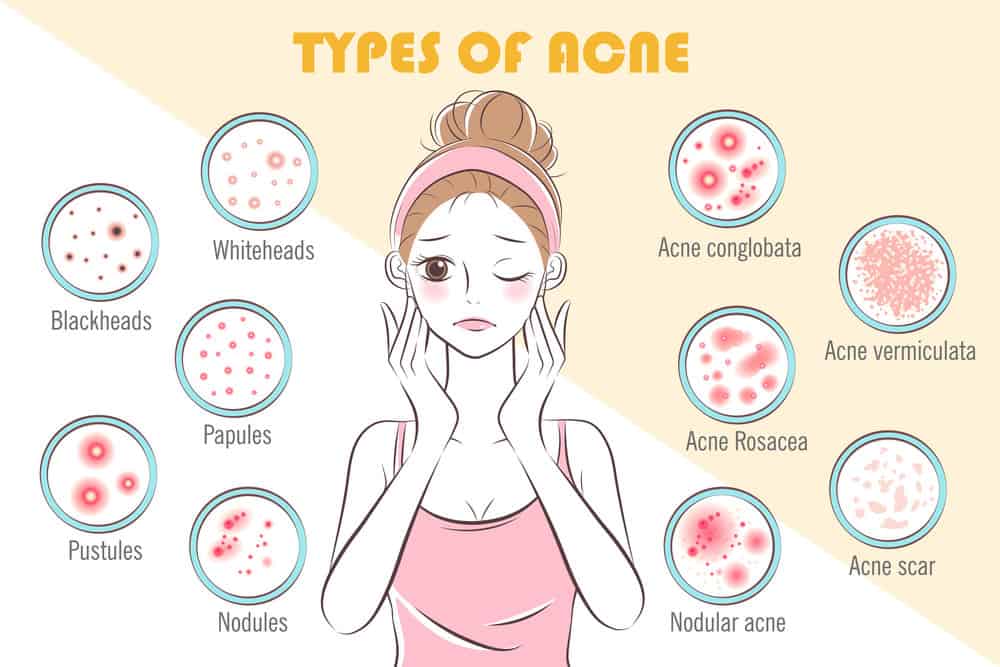
How to Prevent Breakouts From Weave
We're sorry to say that there's no foolproof way to prevent reactions from weave, but there are a few things you can do to reduce your risk of developing a reaction in the future:
- Wash your weave before using it. Soak your weave in a sink full of water and a cup of apple cider vinegar. You'll leave the weave in there for up to half an hour and then remove it and let it air dry. Doing so will cut down on any residue from the factory the weave was processed in.
- Don't buy weave from just anyone. Not all weave manufacturers are created equal, so not all of them will produce high-quality weaves. Go for a company that has a solid following, good reviews (not just on their own website), and is transparent about where their hair comes from and how it's processed. It seems like a tall order to fill, but you can find a quality hair vendor if you try hard enough.
- Don't fall off of your skincare routine. The better you keep your skin clean and moisturized, the lower your chances of developing breakouts from weaves. So don't neglect any part of your face when wearing weaves, and don't forget to clean the nape of your neck.
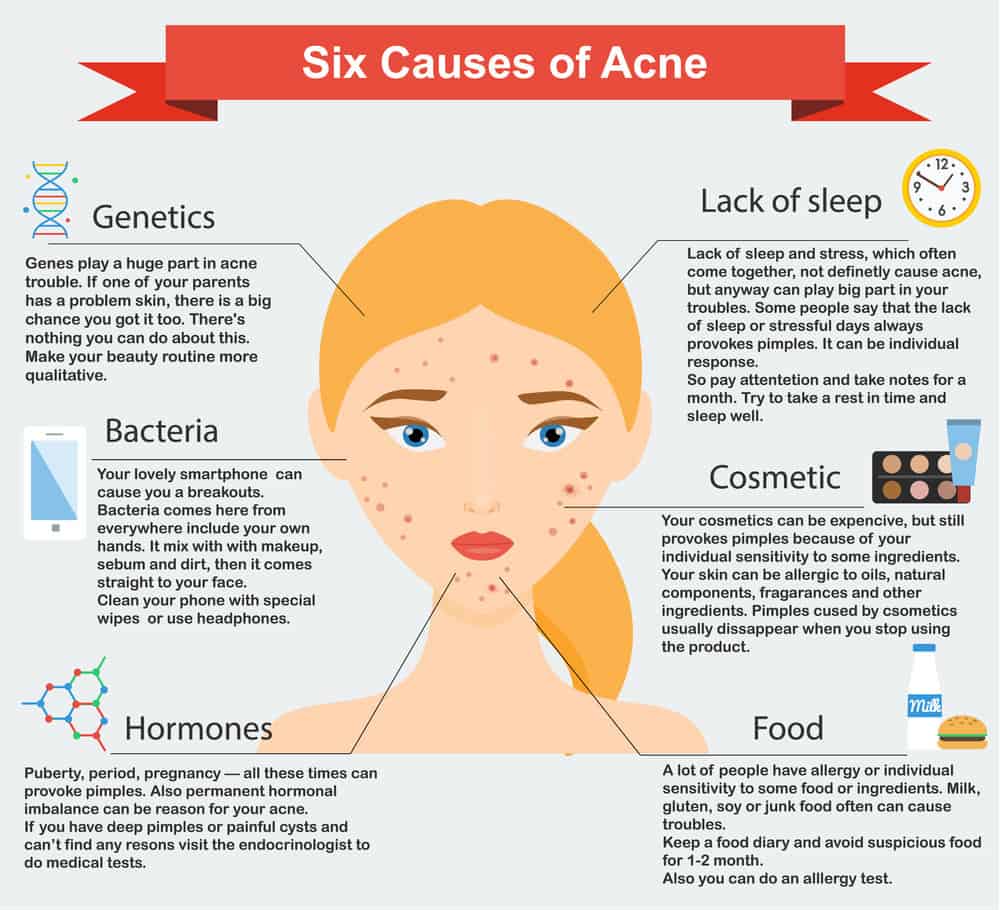
What if It's Not Your Weave Breaking You Out?
Even if all signs point to your weave, causing your facial breakouts, it could be something else. One little-known culprit of facial breakouts in people who wear weaves is your styling technique.
To achieve super laid edges, secure their wefts, or melt their hairline with their skin, many use hair glue, got2b glued spray, foundation, and more. Any of these products can cause you skin irritation.
But that's not all! Your edges brush, foundation brushes, and more can also be problematic if they're not clean or used gently and in moderation.
Scraping at your skin with a harsh tool is a surefire way to irritate your skin and cause breakouts. Our advice is to look at the entire picture so you can figure out the best course of action for your skin.
If you regularly use harsh products for your weave or have just switched to a new product, this could be where your issue lies.
In a case like this, either stop using the offensive product(s) altogether or don't use it as often and see how your skin does. There's an element of trial and error here, so you'll have to be patient.
Related Articles
So, there you have it-everything you need to know about weave and face breakouts. We hope you found all the information you were looking for and that you're able to remedy your facial breakouts quickly and effectively. Good luck!